
Where to buy?
Description
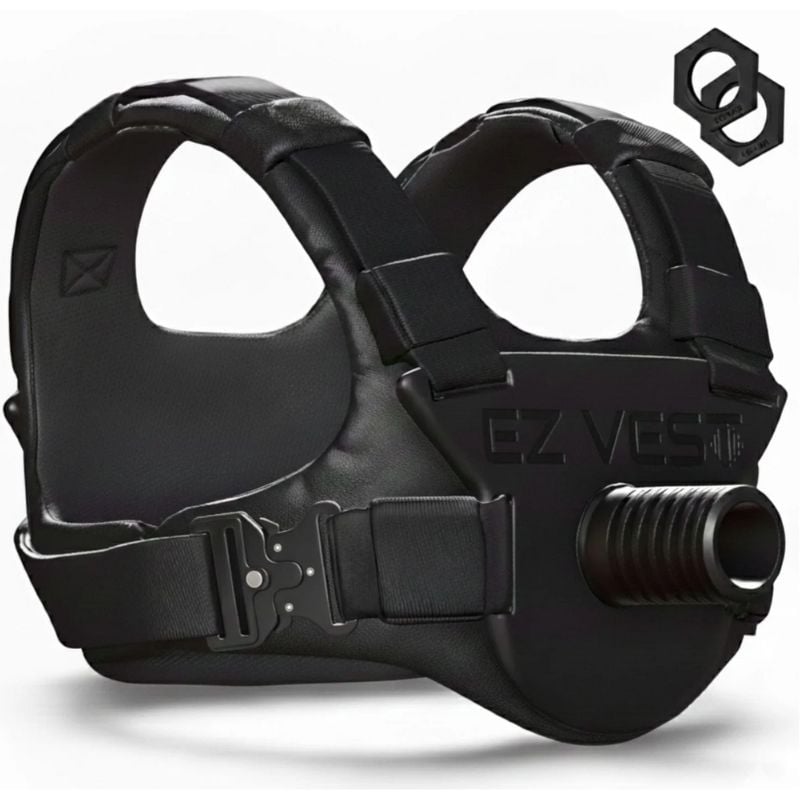
Weighted vests are a fundamental tool in strength and conditioning, traditionally utilizing sandbags or proprietary weighted blocks. The Kensui EZ Vest departs from this standard by employing a patented plate-loading system. This design allows users to utilize standard or Olympic weight plates for resistance, offering a different approach to progressive overload in bodyweight training.
EZ Vest Technical Specifications & Design
1. Plate-Loading Spindle System
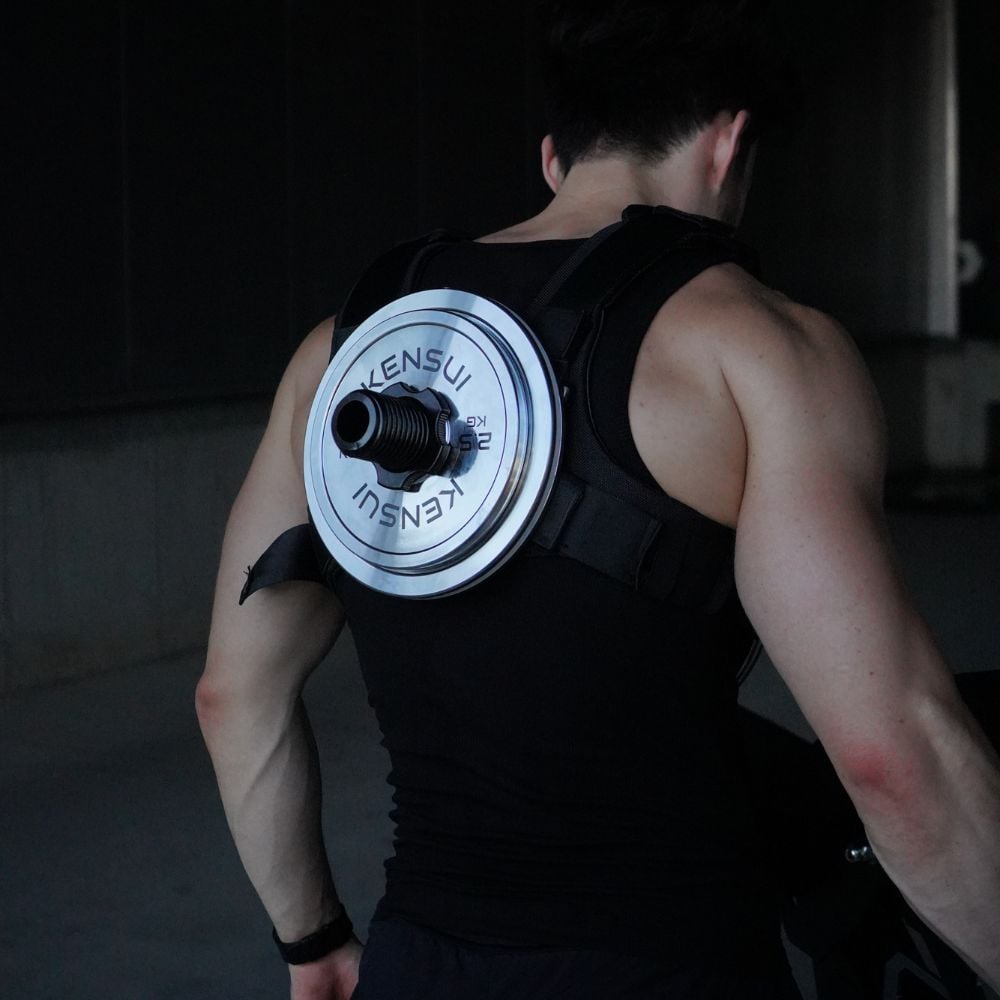
The EZ Vest utilizes a central spindle mechanism compatible with standard (1") and Olympic (2") weight plates. The plates are secured via a threaded cap, allowing for modular weight adjustments. This system eliminates the requirement for specific vest-weighted inserts, allowing for increments as small as the user's available fractional plates (e.g., 1.25 lb or 2.5 lb).
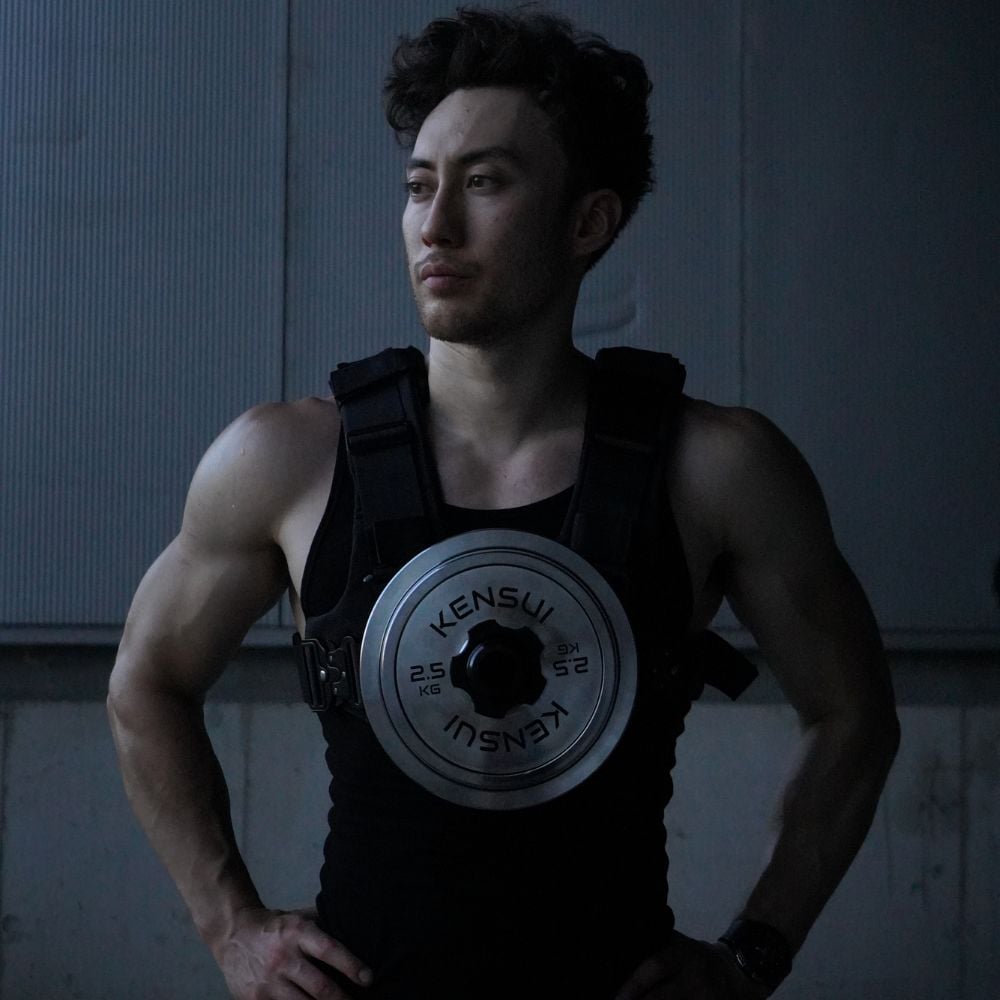
2. EZ-Vest Model Variations and Load Limits
The vest is available in three distinct tiers, each constructed to support different weight capacities:
- EZ Vest Lite: Supports up to 55 lbs (25 kg).
- EZ Vest Pro: Supports up to 125 lbs (55 kg).
- EZ Vest Max: Supports up to 300 lbs (135 kg).
3. Material Construction
The chassis is built with 1680D ballistic nylon and sweat-resistant interior padding. Unlike traditional vests where the fabric bears the load, the EZ Vest utilizes a reinforced strap system that transfers the weight of the plates directly through the frame to the user's shoulders and torso, minimizing material stretching and sagging over time.
4. Geometric Footprint
The vest is designed with a minimalist profile. By concentrating the mass on a central spindle rather than distributing it across the entire chest and back, the design aims to reduce interference with shoulder protraction/retraction and allow for a natural ribcage expansion during high-exertion breathing.
Comparing the EZ Vest with Traditional Weighted Vests
| Feature | Traditional Weighted Vests | Kensui EZ Vest |
|---|---|---|
| Weight Source | Proprietary sandbags or steel blocks | Standard/Olympic weight plates |
| Max Capacity | Typically maxes out at 40–80 lbs | Up to 300 lbs (Max model) |
| Incremental Loading | Fixed by block size (usually 1–5 lbs) | Unlimited (micro-loading with change plates) |
| Bulk/Size | Covers most of the torso; can be bulky | Minimalist footprint; weights are centered |
| Durability | Fabric pockets prone to tearing/leaking | Aluminum/steel frame takes the stress |
| Versatility | Better for running/high-impact cardio | Optimized for strength/weighted calisthenics |
Kensui Weight Vest Review: 3 Months of Field Testing with the EZ Vest
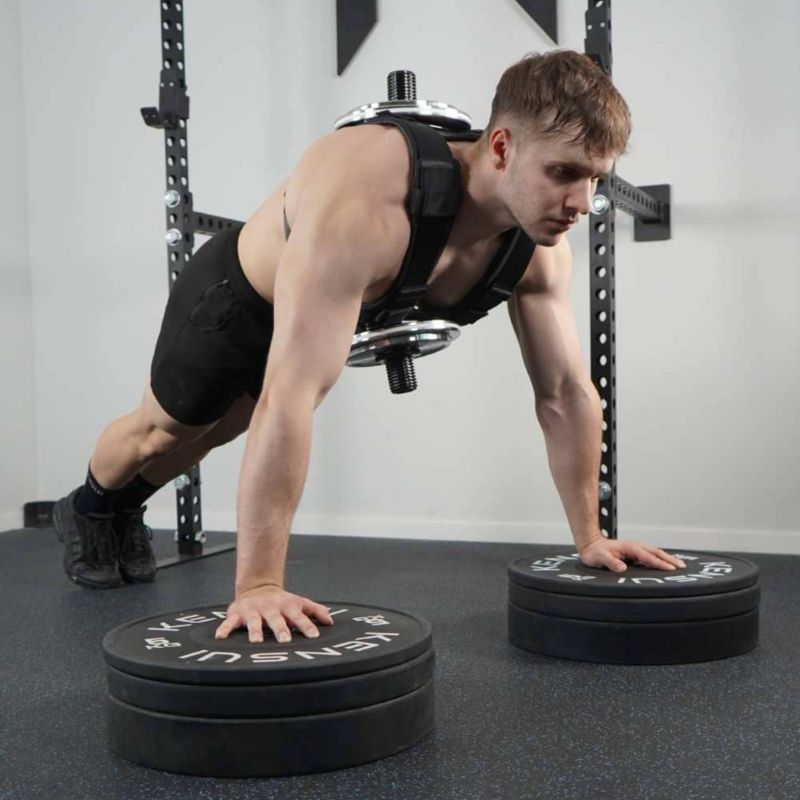
After 90 days of testing the Kensui EZ Vest Max, it’s clear that this is a "lifetime piece" for the strength-focused athlete. My testing focused on heavy weighted calisthenics: pull-ups, dips, and ring work - where traditional vests and dangling dip belts often fail to provide the necessary stability or capacity.
True Progressive Overload
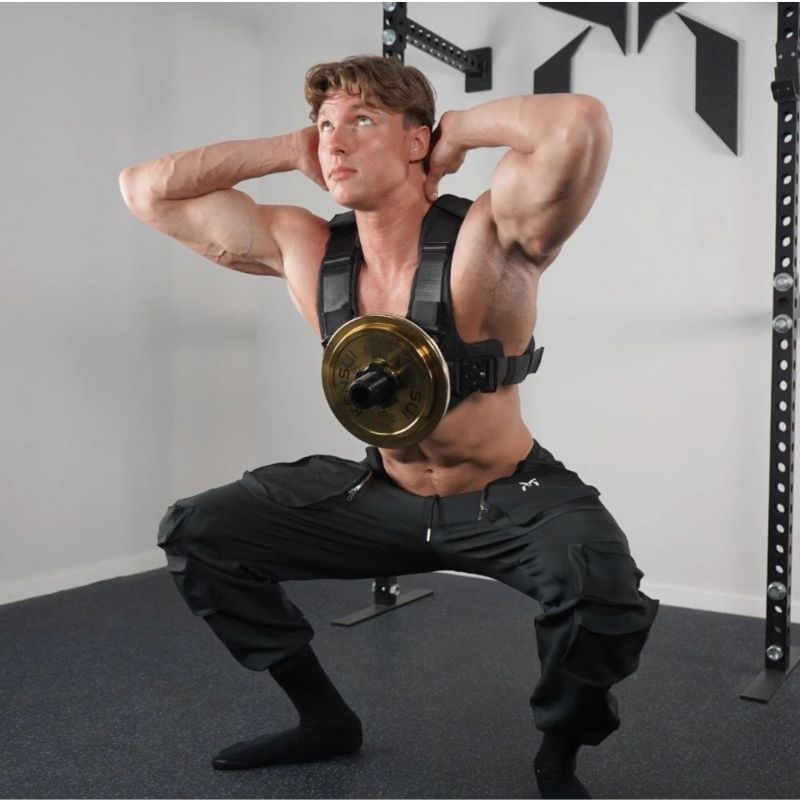
The standout advantage is the massive loading range. Most plate carriers cap out at 20–40 lbs, which is a low ceiling for serious strength training. With the EZ Vest, I’ve been able to hit true progressive overload, micro-loading with 1.25 lb change plates to break through plateaus in my weighted muscle-ups. Because the weight is centered on a spindle rather than spread out, the vest "stays put" even during inverted work on the rings or explosive muscle-ups.
EZ-Vest Ergonomics and Range of Motion
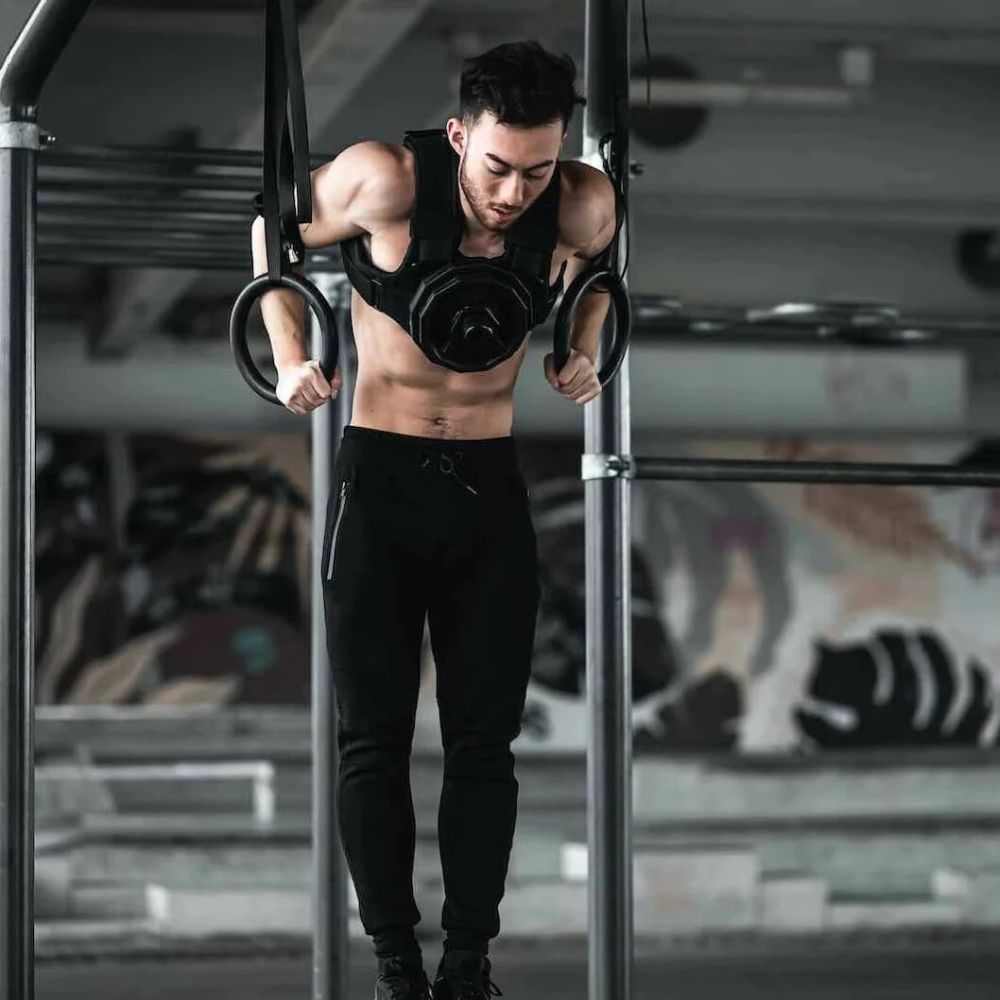
One unexpected benefit is the breathability. Traditional vests wrap your entire torso like a corset, which can be suffocating in a hot garage gym. The EZ Vest’s minimalist footprint allows for significantly better heat management. It covers less surface area on the chest and back, allowing for natural ribcage expansion during heavy sets.
Navigating the "Heavy Load" Workflow
While the strength benefits are undeniable, there are practical considerations when going heavy. Once you cross the 90–100 lb threshold, getting the vest on and off can be a "circus" if you try to do it from the floor.
- Pro Tip: I highly recommend a "bench workflow." Set the loaded vest on a weight bench or rack at chest height. This allows you to back into the vest and strap in without having to hoist the full weight from a dead stop.
The Loading Process and Considerations
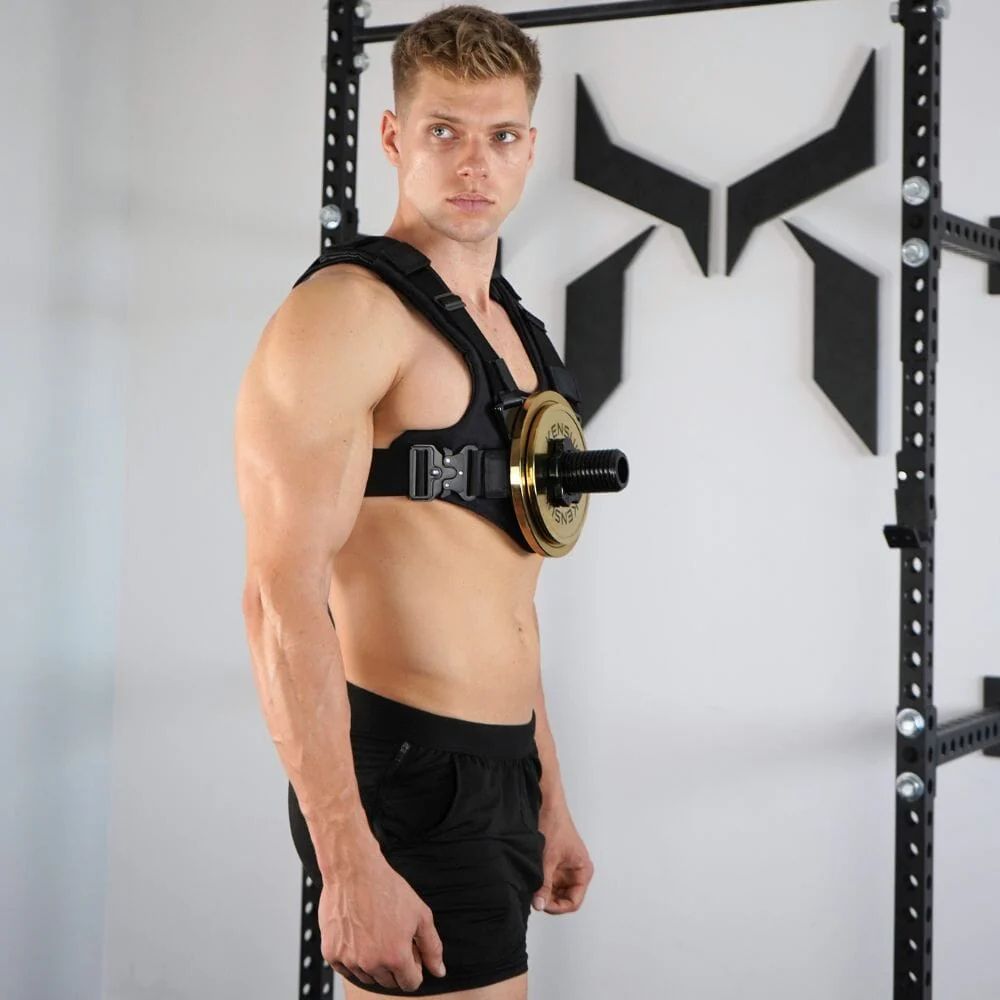
Using my existing Olympic plates is highly convenient. For pyramid sets, the speed of unscrewing the cap and swapping a 25 lb plate for a 10 lb plate is efficient.
However, there is a learning curve regarding plate diameter. If you use large-diameter bumper plates, they can occasionally feel cumbersome during movements that require high hip flexion, such as high-step lunges. I found that using "change plates" or smaller iron plates provided the most streamlined experience and kept the center of gravity tighter to my body.
Comfort and Weight Distribution
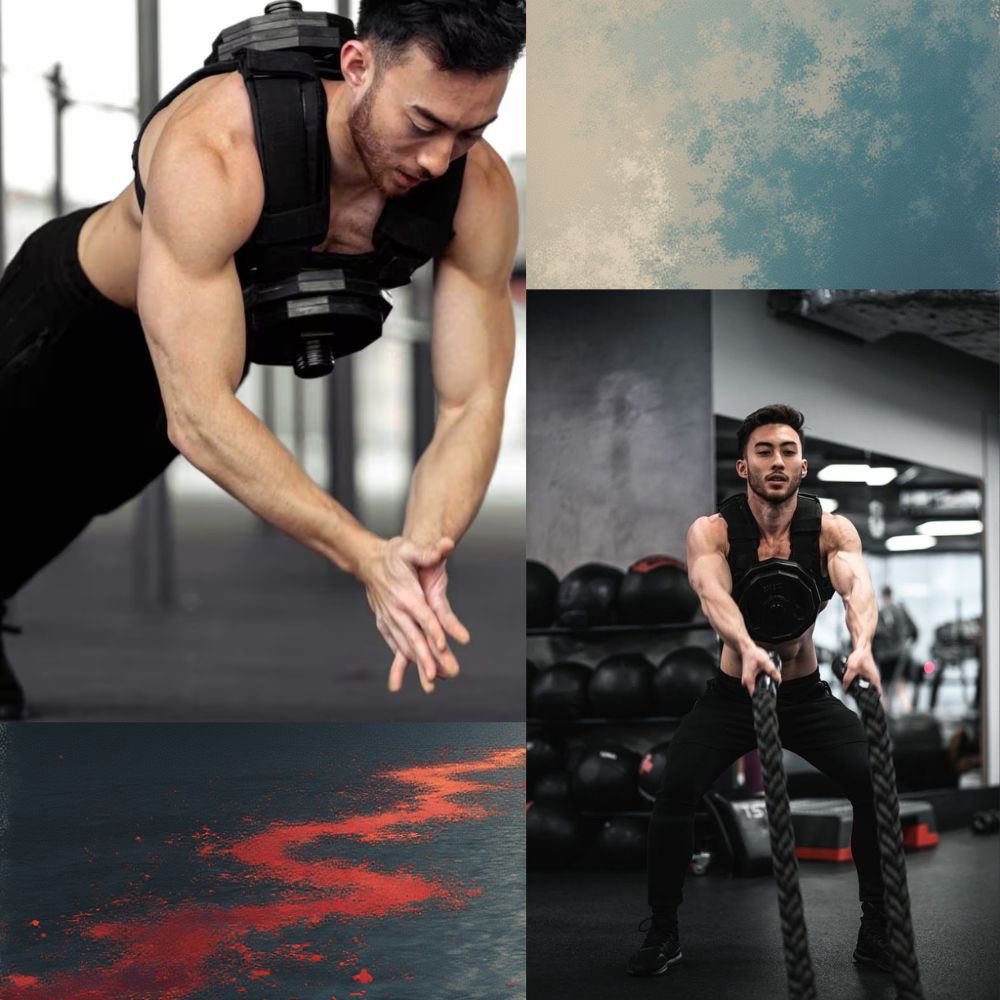
The memory foam padding is dense and provides significant cushioning. At 80–100 lbs, the vest feels secure, though it is worth noting that because the weight is concentrated, the pressure on the tops of the shoulders is more focused than in a distributed-weight vest. For very long sessions (over 60 minutes), I noticed some minor trap fatigue, though this was offset by the fact that the vest does not shift or "bounce" during dynamic repetitions.
While the buckles are industrial-grade, users with very narrow torsos may find they need to tighten the straps to their absolute limit to prevent slight lateral tilting when using heavy, large-diameter plates.
Best Use Cases for the EZ Vest
The EZ Vest is not a rucking vest or a CrossFit "Metcon" tool. While the vest is highly versatile, it is not optimized for high-intensity cardiovascular work like long-distance running. The rigid nature of the plates means there is less "give" than sandbags, and you will notice more of a "thud" against the chest if your running form is vertical. This vest shines exactly where it was designed to: Weighted Calisthenics. For some exercises it has actually replaced my dip belt because it doesn't swing between my legs, allowing for better form and higher safety during heavy dips and pull-ups.
My Final Assessment
The Kensui EZ Vest is a specialized tool that excels in focused strength training. While the price point is higher than entry-level vests, its durability and 300 lb capacity make it a rugged, long-term solution. It bridges the gap between a traditional vest and a dip belt, providing a more stable and ergonomic way to load heavy bodyweight movements. For athletes who prioritize progressive overload and already own weight plates, it offers a level of scalability that few other products can match in weighted calisthenics.
Performance Summary
- Versatility: Best-in-class for weighted pull-ups, dips, and push-ups. Compatible with standard and Olympic plates; no proprietary weights required.
- Scalability: High weight ceiling (up to 300 lbs) suitable for elite strength levels.
- Build Quality: Premium 1680D ballistic nylon and metal hardware built for "lifetime" use.
- Maintenance: Sweat-resistant materials allow for easy cleaning compared to fabric-heavy vests.
- Fit: Compact design preserves natural range of motion in the upper body.
- Breathability: Minimalist design prevents overheating during intense sessions.
- Constraint: Best suited for static strength movements rather than high-impact plyometrics or running.