
Inchworm
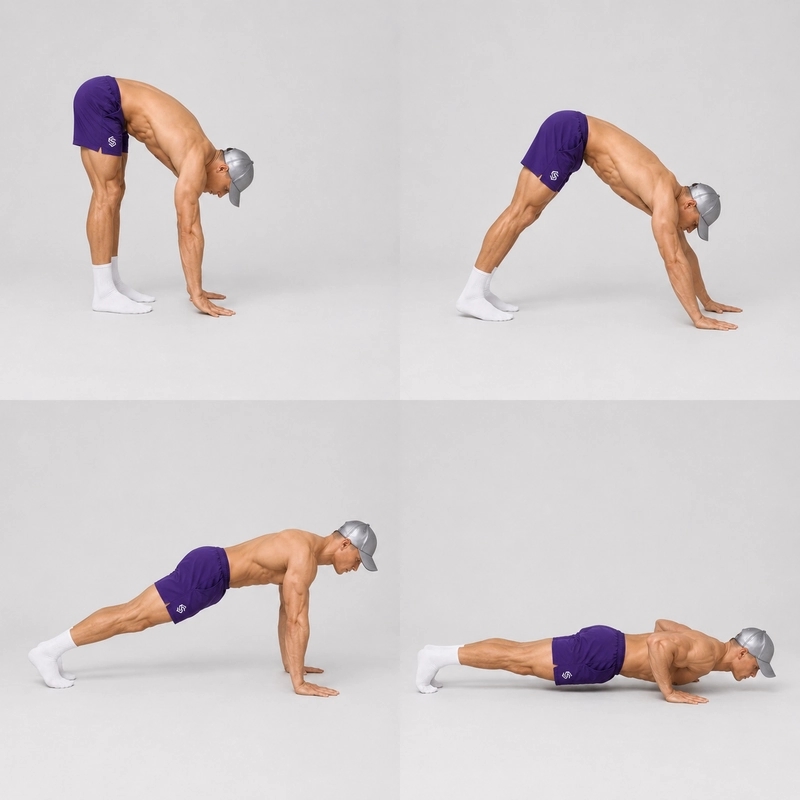
How to do Inchworm?
The inchworm is a dynamic full-body exercise performed by folding forward from standing, walking the hands into a high plank, and then taking small steps with the feet toward the hands. A push-up can be added in the plank position, but it is not required for a complete repetition.
The exercise combines a hip hinge, straight-arm shoulder support, core bracing, and coordinated movement without requiring equipment. It is commonly used as a warm-up drill, mobility exercise, or part of a bodyweight conditioning circuit.
Keep the movement controlled. Bend your knees as much as necessary to reach the floor, and only walk into a plank position that you can maintain without allowing your lower back to sag.
Tips for the proper execution of Inchworm
Use Small Steps: Walk the hands and feet in short, controlled increments instead of reaching as far as possible with every step.
Bend the Knees When Needed: A soft knee bend makes it easier to reach the floor without forcing the hamstrings or rounding aggressively.
Finish in a Stable Plank: Stop the hand walk when your shoulders are approximately above your wrists and your trunk remains controlled.
Push the Floor Away: Maintain active shoulders during the hand walk and plank rather than collapsing between them.
Brace Before Moving: Tighten your abdomen and glutes before walking the hands farther forward to prevent the hips from sagging.
Treat the Push-Up as Optional: Add it only when you can lower and press without losing your straight plank position.
Keep Breathing: Breathe steadily during the walkout and foot walk. If adding a push-up, inhale while lowering and exhale while pressing upward.
Prioritize Control Over Speed: A slower inchworm usually provides better position awareness than rapidly stepping through the movement.
Muscles worked when doing Inchworm
Primary muscles
- Abdominals and obliques: Brace the torso and resist excessive lower-back extension during the hand walk and high plank.
- Shoulders: Support the upper body and control the changing angle as the hands move away from the feet.
- Scapular stabilizers: The serratus anterior, trapezius, and rotator-cuff muscles help position and stabilize the shoulder blades and upper arms.
Secondary muscles
- Chest and triceps: Stabilize the elbows and shoulders during the base exercise. They become major contributors when a push-up is added.
- Forearms: Help support the wrists and maintain hand pressure against the floor.
- Glutes and quadriceps: Maintain hip and knee position in the plank and assist during the return to standing.
- Hamstrings and calves: Move through a dynamically lengthened position during the forward fold and foot walk.
- Spinal erectors: Help control the trunk during the fold and return to standing.
Primary Muscle(s):
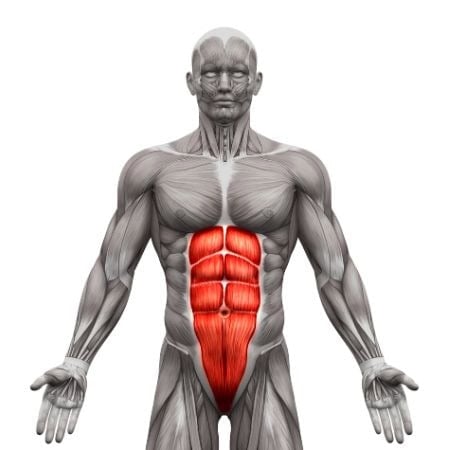
Abdominal
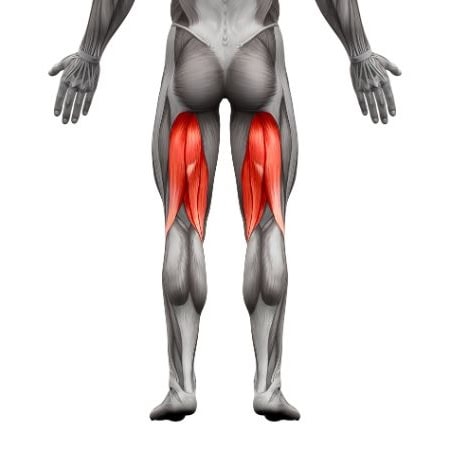
Hamstring
Secondary Muscle(s):
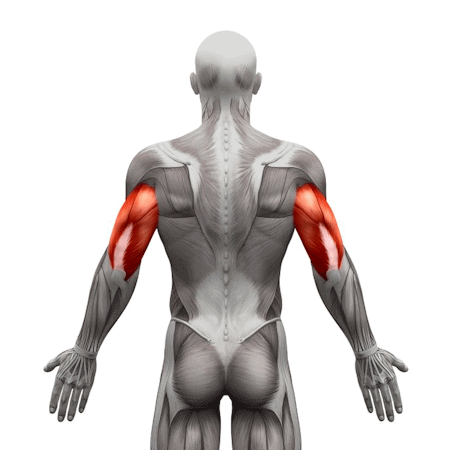
Triceps
Equipment needed for Inchworm
No equipment needed for this exercise.
Adjust the difficulty of Inchworm
How to make Inchworm harder?
How to make Inchworm easier?
How to make Inchworm harder?
To make Inchworm harder:
-
Add a Push-Up: Once in the plank position, perform a push-up before walking your feet back toward your hands.
-
Walk Hands Beyond the Plank Position: Extend the hand walkout slightly past the plank position to increase the demand on your shoulders and core.
-
Perform on One Leg: Keep one leg raised during the entire movement to increase the challenge to your balance and core stability.
-
Use Sliders or Towels: Place your feet on sliders or towels and slide them forward instead of walking, adding resistance to the movement.
How to make Inchworm easier?
To make Inchworm easier:
-
Bend Your Knees During the Forward Fold: Allow a slight bend in your knees when reaching for the floor to reduce strain on your hamstrings.
-
Shorten the Hand Walkout: Walk your hands out only partway, stopping before a full plank position, to reduce the challenge on your core and shoulders.
-
Use an Elevated Surface: Place your hands on a raised surface like a low bench or box to decrease the intensity and improve accessibility.