
Scapular Pull-Up
How to do Scapular Pull-Up?
How to perform a scapular pull-up
- Take an overhand grip. Hold the bar with your palms facing away and your hands approximately shoulder-width apart. Wrap your thumbs around the bar.
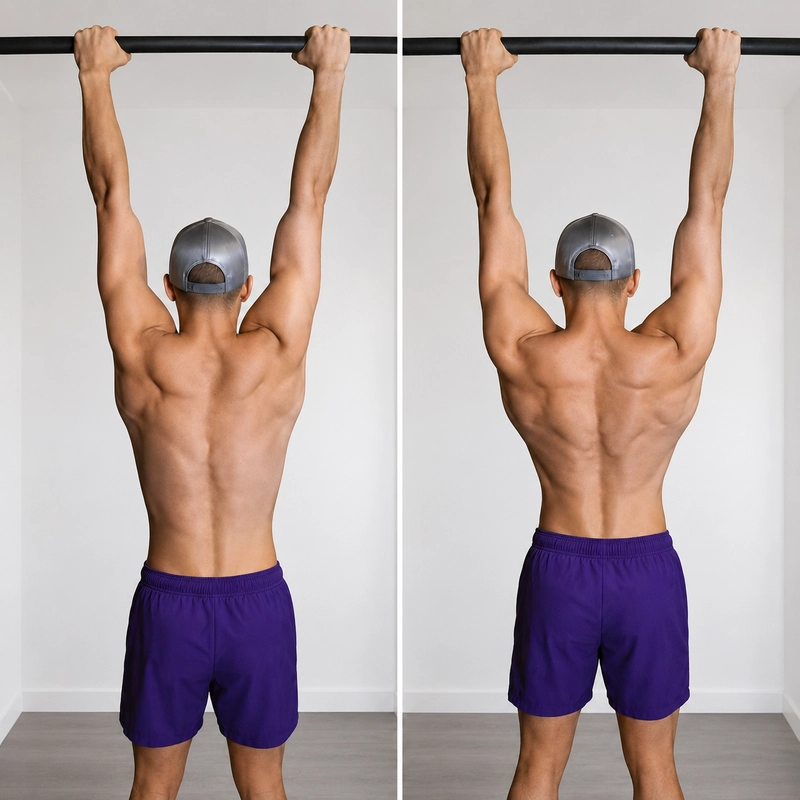
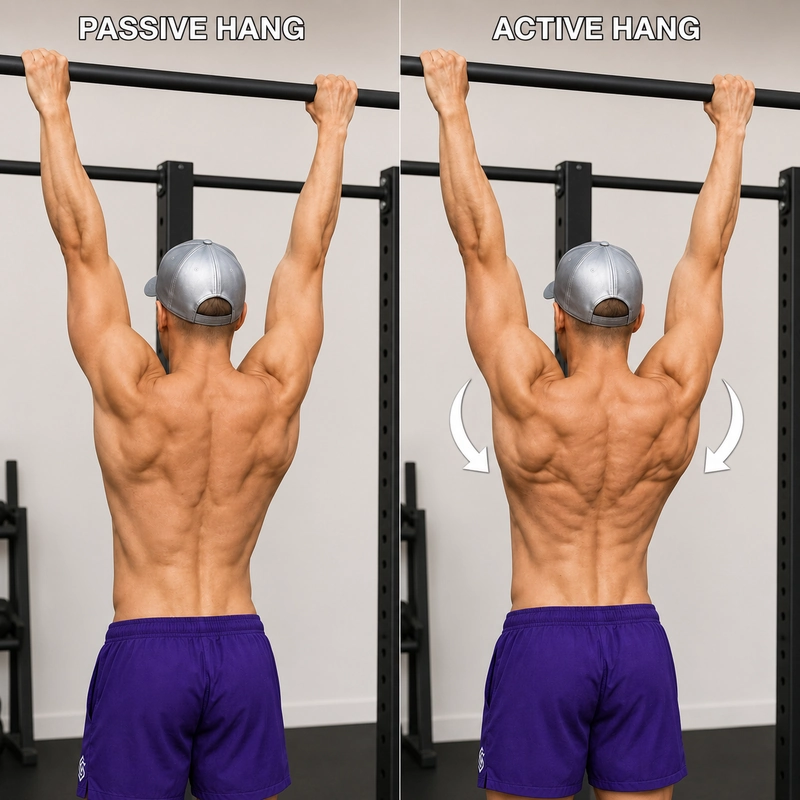
- Start in a passive hang. Keep your elbows completely straight and allow your shoulders to rise naturally toward your ears. Keep your body still and your head neutral.
- Set your body position. Bring your legs together and apply enough tension through your core and glutes to prevent swinging. Do not exaggerate a hollow or arched shape.
- Pull the shoulder blades down. Without bending your elbows, draw your shoulders away from your ears. Think about making your neck look longer. Your body should rise slightly as you move into an active hang.
- Pause briefly. Hold the top position for about one second while keeping the elbows locked and ribs controlled. Do not force the shoulder blades into a hard pinch behind your back.
- Lower with control. Slowly allow your shoulders to rise back toward your ears until you return to the passive hang. Keep your grip and body position unchanged.
- Repeat cleanly. Begin the next repetition only after the previous one has finished and your body is still.
What should a correct repetition look like?
Your elbows stay fully straight from start to finish. The shoulders move down at the top and return upward at the bottom, causing the torso to rise and lower by only a small amount. The body remains beneath the bar without kicking, kipping, or swinging. The movement is primarily scapular depression rather than an aggressive squeeze of the shoulder blades. Some retraction may occur naturally, but pulling the shoulders strongly backward can turn the exercise into a different pattern.Benefits of scapular pull-ups
- Teach the start of a pull-up: You practice moving from a passive hang into an active shoulder position before bending the elbows.
- Develop scapular control: The exercise helps you deliberately elevate and depress the shoulder blades under bodyweight load.
- Build straight-arm pulling strength: The lats and lower trapezius work while the elbows remain locked.
- Train grip and hanging endurance: The hands and forearms support your body throughout every set.
- Provide a low-fatigue technique drill: Scapular pull-ups can be placed near the beginning of a pull-up session when performed well below failure.
How many scapular pull-ups should you do?
A practical starting point is 2–3 sets of 5–8 controlled repetitions, resting for approximately 60–90 seconds between sets. Pause for about one second in the active position and take around two seconds to return to the passive hang. Stop the set if your elbows begin to bend, the range becomes noticeably smaller, or you cannot prevent swinging. Once you can perform 8–10 clean repetitions, progress by slowing the tempo, extending the top pause, or moving to negative pull-ups and assisted pull-ups. These numbers are coaching starting points rather than universal requirements.Common scapular pull-up mistakes
- Bending the elbows: This turns the movement into a partial pull-up and reduces the focus on scapular control.
- Trying to lift too high: The correct range is small. Do not chase height by bending the arms, arching the back, or thrusting the chest forward.
Tips for the proper execution of Scapular Pull-Up
Keep your elbows completely straight throughout every repetition.
Think “shoulders away from the ears” as you move into the active hang.
Allow only a small rise of the body; this is not a partial pull-up.
Keep your ribs controlled and avoid thrusting your chest forward.
Use light core and glute tension to prevent swinging.
Pause for one second at the top so the active position is clearly defined.
Return slowly to the passive hang instead of suddenly dropping onto the shoulders.
Breathe out as you pull the shoulders down and breathe in as you lower.
End the set as soon as the elbows bend or the movement becomes jerky.
Muscles worked when doing Scapular Pull-Up
The scapular pull-up primarily trains the muscles that depress and control the shoulder blades while the arms remain overhead. The exact contribution of each muscle changes across the range and between individuals.
Primary muscles
- Latissimus dorsi: Assists shoulder-blade depression and helps lift the body into the active hang.
- Lower trapezius: Helps draw the shoulder blades downward and control their position against the ribcage.
- Rhomboids: Assist scapular control and contribute to the small amount of retraction that may accompany the movement.
Secondary muscles
- Serratus anterior and rotator-cuff muscles: Help control and stabilize the shoulder blades and shoulder joints during the transition.
- Forearm and hand muscles: Contract isometrically to maintain the grip on the bar.
- Abdominals, spinal stabilizers, and glutes: Keep the body quiet beneath the bar and reduce unwanted swinging.
The biceps are not a primary target because the elbows should remain straight. If the biceps fatigue first, check whether you are bending the arms.
Primary Muscle(s):
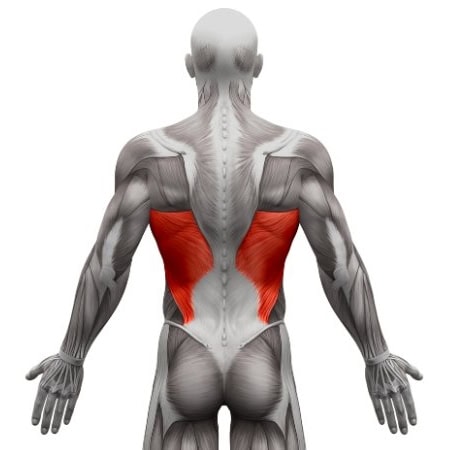
Lats
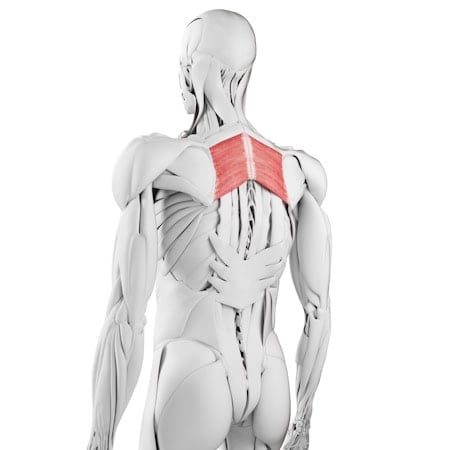
Rhomboid
Secondary Muscle(s):
Rhomboid
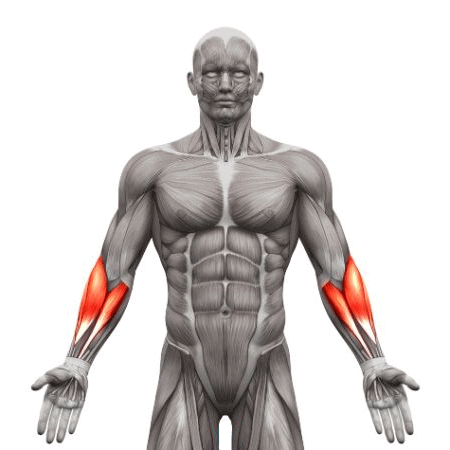
Forearm
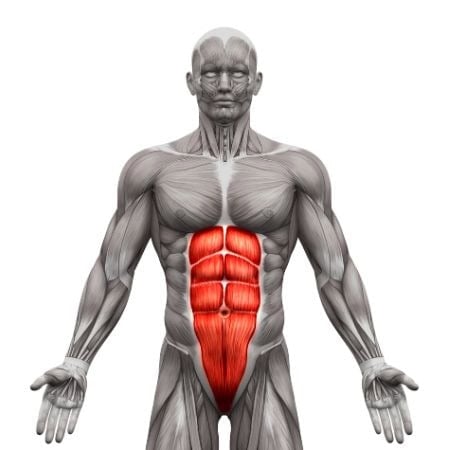
Abdominal
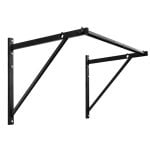
Equipment needed for Scapular Pull-Up
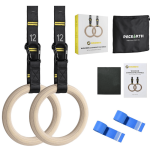
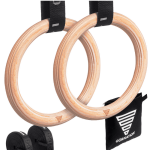
Adjust the difficulty of Scapular Pull-Up
How to make Scapular Pull-Up harder?
How to make Scapular Pull-Up easier?
How to make Scapular Pull-Up harder?
To make Scapular Pull-Up harder:
-
Extend the top pause: Hold the active position for 3–5 seconds without bending the elbows.
-
Slow the return: Take 3–5 seconds to move from the active hang back to the passive hang.
-
Increase the repetitions: Build toward 10–15 clean repetitions while preserving the same range and tempo.
-
Add external resistance: Use a small amount of weight on a secure vest or dip belt only after the bodyweight version is controlled and pain-free.
-
Use an assisted one-arm variation: Keep the second hand on a resistance band, towel, or adjacent support and reduce its assistance gradually.
-
Combine it with a full pull-up: Perform one scapular pull-up, maintain the active shoulder position, and continue into a strict or assisted pull-up.
How to make Scapular Pull-Up easier?
To make Scapular Pull-Up easier:
-
Use a foot-assisted scapular pull-up: Keep your feet on a box or floor and unload enough bodyweight to maintain straight elbows and smooth shoulder movement.
-
Use a resistance band for assistance: Place a securely anchored band under one or both feet to reduce the load while hanging.
-
Reduce the range: Practice a small but controlled shoulder-blade movement before gradually increasing it.
-
Perform a resistance-band scapular pull-down: Learn the same straight-arm depression pattern without supporting your full bodyweight.
-
Use a ring scapula row: Practice shoulder-blade control in a horizontal position while your feet remain on the floor.