
Pistol Squat
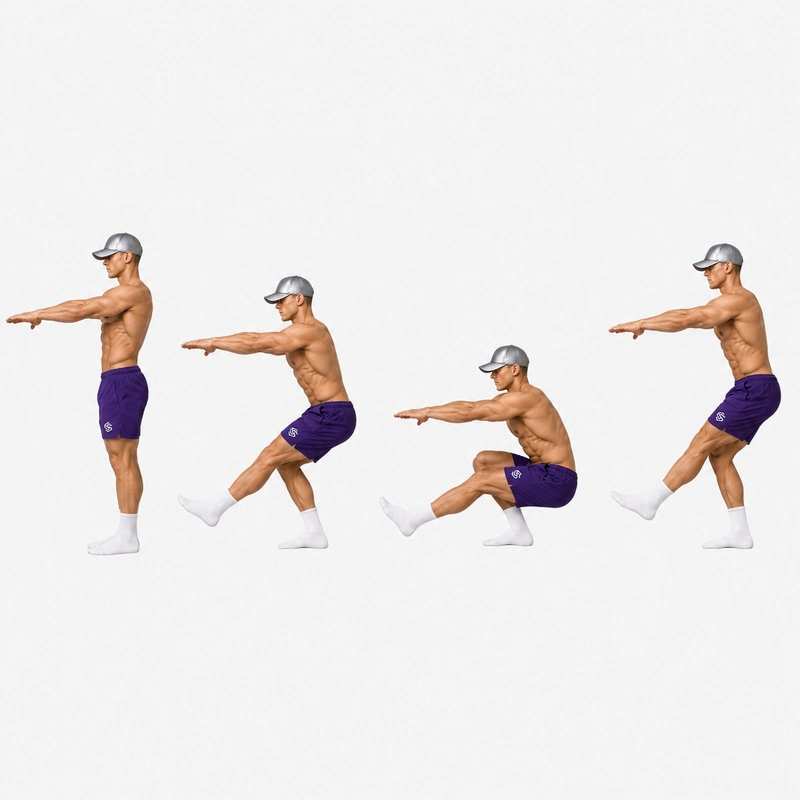
How to do Pistol Squat?
The pistol squat is a freestanding single-leg squat in which the non-working leg remains extended in front while the supporting leg lowers into a deep squat and returns to standing. It combines unilateral leg strength, balance, ankle and hip mobility, active flexibility and core control.
Before attempting the full movement, develop controlled squat depth with the narrow stance squat, practise assisted single-leg strength with the doorframe one-leg squat, and build lowering control with single-leg squat negatives. If limited mobility prevents you from reaching depth with control, use our squat mobility exercises rather than forcing the bottom position.
A clean pistol squat requires the working heel to remain planted, the free foot to stay above the floor and the athlete to stand up without hand support or assistance from the other leg. The exact amount of forward knee travel and torso inclination will vary according to an athlete’s proportions and mobility.
This variation places considerably more demand on one leg than a regular bodyweight squat. A biomechanical review of the squat explains how factors such as depth, trunk position and tibia position influence muscular demands and joint loading. Focus on controlled movement standards instead of trying to copy another athlete’s exact body angles.
Tips for the proper execution of Pistol Squat
Keep the heel, base of the big toe and base of the little toe connected to the floor throughout the repetition.
Allow the supporting knee to travel forward while keeping it aligned with the direction of the toes.
Reach your arms forward to counterbalance your hips as you descend.
Lower slowly enough to remain in control instead of dropping into the bottom position.
Use a natural forward torso lean while keeping your spine controlled and your chest from collapsing.
Press through the whole foot as you stand rather than shifting entirely onto the heel or toes.
Keep the pelvis and chest facing generally forward instead of twisting away from the supporting leg.
Start with your weaker leg and perform the same number of controlled repetitions on both sides.
Film yourself occasionally from the side and front-oblique angle to check depth, heel contact and knee tracking.
Muscles worked when doing Pistol Squat
The pistol squat primarily trains the quadriceps and gluteus maximus of the supporting leg. These muscles control the descent before extending the knee and hip as you return to standing.
The lateral glutes, hamstrings, adductors, calves and muscles of the foot help stabilize the supporting leg. The abdominal muscles, obliques and spinal erectors keep the torso controlled over a small base of support.
The hip flexors and quadriceps of the non-working leg contract isometrically to hold that leg above the floor. This explains why an athlete may have sufficient strength in the supporting leg but still struggle to keep the free heel elevated. Research examining the biomechanics of the single-limb squat also demonstrates that the movement involves coordinated contributions from multiple lower-body joints and muscle groups.
Primary muscles
- Quadriceps: Control knee flexion during the descent and extend the knee during the ascent.
- Gluteus maximus: Controls the hip during the descent and produces hip extension as you stand.
Secondary muscles
- Gluteus medius and minimus: Stabilize the pelvis and help control the position of the supporting thigh and knee.
- Hamstrings: Assist with hip control and stabilization of the knee.
- Adductors: Help control the thigh and contribute to hip extension, particularly at greater depths.
- Calves and foot muscles: Stabilize the ankle and maintain balance over the supporting foot.
- Abdominals, obliques and spinal erectors: Stabilize the torso throughout the repetition.
- Hip flexors of the non-working leg: Hold the extended leg above the floor.
Primary Muscle(s):
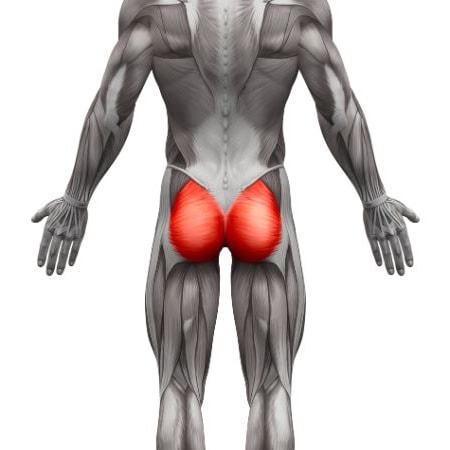
Glutes
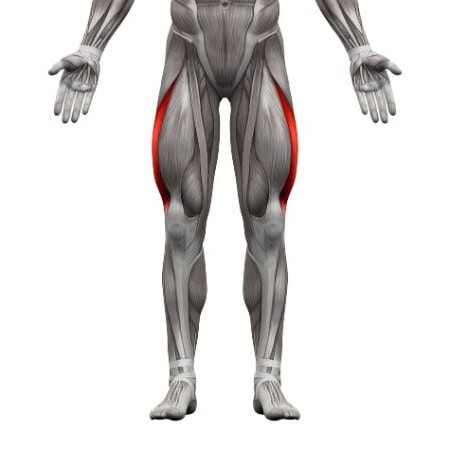
Quads
Secondary Muscle(s):
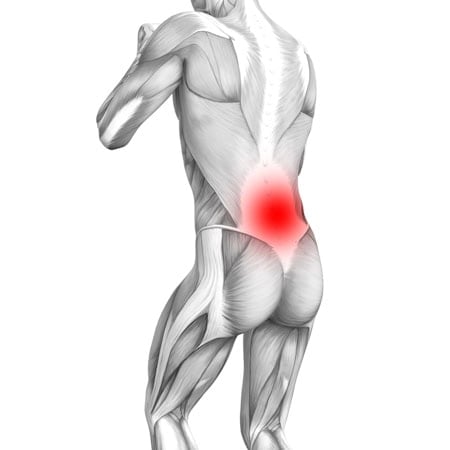
Lower back
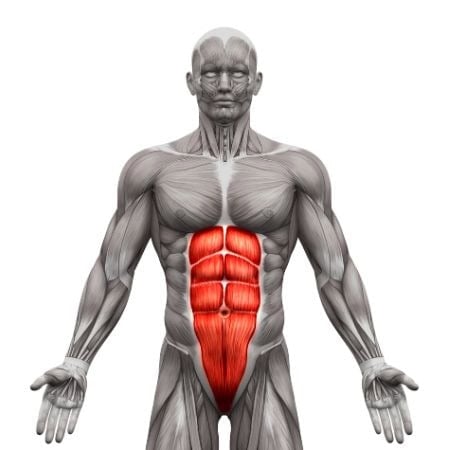
Abdominal
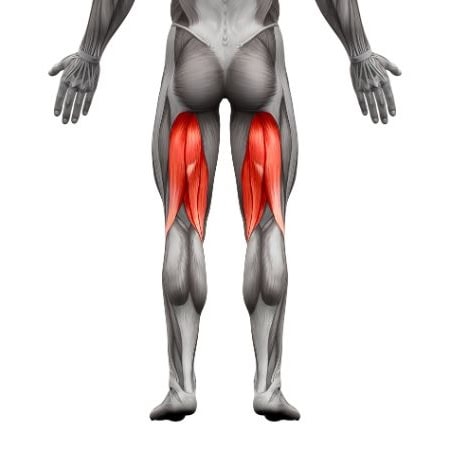
Hamstring
Equipment needed for Pistol Squat
No equipment needed for this exercise.
Adjust the difficulty of Pistol Squat
The pistol squat can be scaled by changing the amount of assistance, range of motion, tempo and external load. Choose a variation that allows you to keep the working heel planted, control the descent and stand without pain. Progress one variable at a time instead of sacrificing technique for depth.
How to make Pistol Squat harder?
How to make Pistol Squat easier?
How to make Pistol Squat harder?
To make Pistol Squat harder:
-
Pause in the bottom position for 2–3 seconds before standing up.
-
Take 4–6 seconds to lower and avoid relaxing or bouncing at the bottom.
-
Hold a dumbbell or kettlebell close to your chest to add resistance while minimizing its counterbalancing effect.
-
Wear a weighted vest to increase resistance without occupying your hands.
-
Perform deficit pistol squats from a stable elevated surface, allowing the non-working leg to travel below the level of the supporting foot.
-
Perform 1½ repetitions by descending fully, rising halfway, returning to the bottom and then standing completely.
-
Use an explosive ascent while maintaining control and alignment.
How to make Pistol Squat easier?
To make Pistol Squat easier:
-
Hold a stable vertical support with one hand and use only as much assistance as necessary.
-
Perform the movement to a bench, box or chair to limit the range of motion.
-
Begin with a higher box and gradually use lower surfaces as your strength and control improve.
-
Practise single-leg squat negatives by lowering slowly on one leg and standing up with both legs.
-
Elevate the supporting heel slightly on a stable wedge or thin weight plate if ankle mobility limits your depth.
-
Hold a light counterweight at arm’s length to make balancing and maintaining an upright position easier.
-
Perform partial repetitions and gradually increase the depth as your control improves.
-
Allow a slight bend in the non-working knee if keeping it completely straight causes the heel to touch the floor.
-
Practise the Doorframe One-Leg Squat before progressing to the unsupported Pistol Squat.