
Dragon Squat
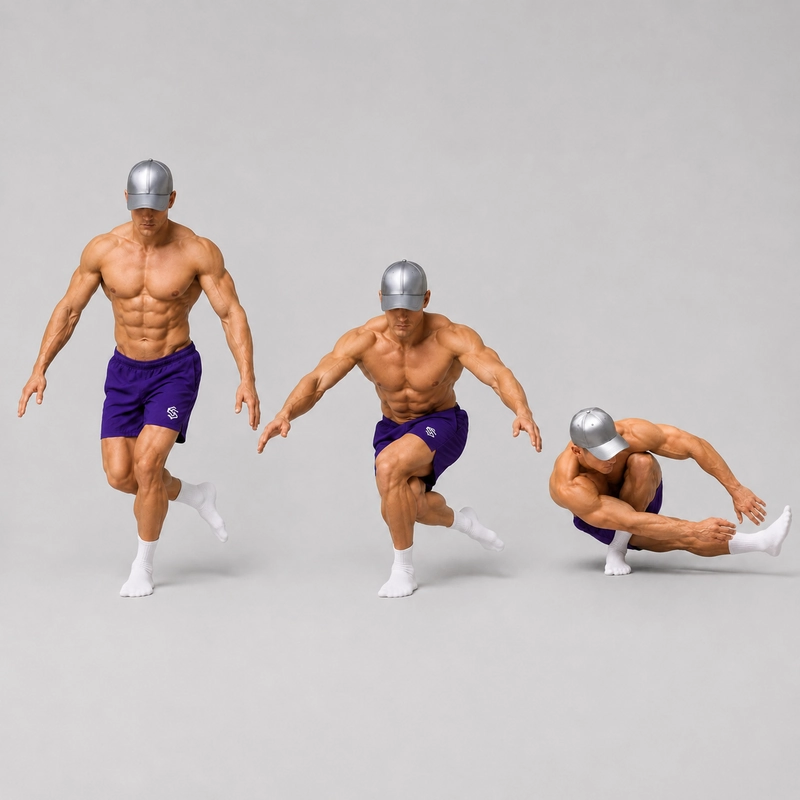
How to do Dragon Squat?
The dragon squat, also called the dragon pistol squat, is an elite bodyweight squat that combines unilateral leg strength, balance, active mobility and coordination. You squat deeply on one leg while threading the free leg behind and around the supporting leg, eventually extending it in front of your body without letting it touch the floor.
Unlike a conventional pistol squat, where the free leg remains extended forward throughout the repetition, the dragon squat adds a complex rotational pathway. The working leg must control a deep squat while the hips and core position the free leg around the body. This makes the dragon squat a distinct advanced exercise—not simply another name for the pistol squat.
Before attempting it, develop controlled single-leg strength with hand-assisted pistol squats and single-leg squat negatives. The athlete should ideally be able to perform a controlled full pistol squat before training the complete dragon variation.
Exercises such as narrow-stance squats can prepare the deep squat position, while Cossack squats help develop strength and control across a wider range of hip positions. However, the dragon squat is a demanding strength skill rather than a passive mobility drill. Never force the free leg through a position your hip or knee cannot control comfortably.
Tips for the proper execution of Dragon Squat
Master the pistol squat first Build reliable full-range single-leg strength before adding the dragon squat’s rotational pathway.
Maintain a tripod foot Keep pressure through the heel, base of the big toe and base of the little toe.
Move the free leg slowly Threading the leg with control makes balancing easier than swinging it quickly.
Let the torso lean naturally A controlled forward lean helps keep your center of mass over the working foot.
Keep the free leg close Pass it close to the supporting leg to reduce the clearance and mobility required.
Watch the working knee Keep it moving in the general direction of the toes rather than allowing it to collapse abruptly inward.
Practise both sides Differences in hip mobility, ankle mobility and coordination are common between sides.
Prioritize clean repetitions Stop the set when you can no longer control the descent or keep the free foot elevated.
Muscles worked when doing Dragon Squat
Primary muscles
- Quadriceps: Control knee flexion during the descent and extend the working knee as you stand. The quadriceps are the primary muscular contributors to knee extension, as described in this NCBI anatomy overview.
- Gluteus maximus: Controls the flexing hip during the descent and contributes to hip extension when rising from the bottom. The muscle also contributes to stability when standing on one leg, according to the NCBI overview of the gluteus maximus.
Secondary and stabilizing muscles
- Gluteus medius and minimus: Help stabilize the pelvis and control the working thigh during the single-leg stance.
- Adductors: Assist with hip control as the free leg crosses behind the body and the working leg moves through a deep squat.
- Hamstrings: Contribute to hip extension and help stabilize the working leg.
- Calves: Control the ankle as the knee travels forward and the body descends.
- Abdominals and obliques: Stabilize the torso against the rotational movement of the free leg.
- Hip flexors and quadriceps of the free leg: Work to keep the non-supporting leg elevated and extended.
Primary Muscle(s):
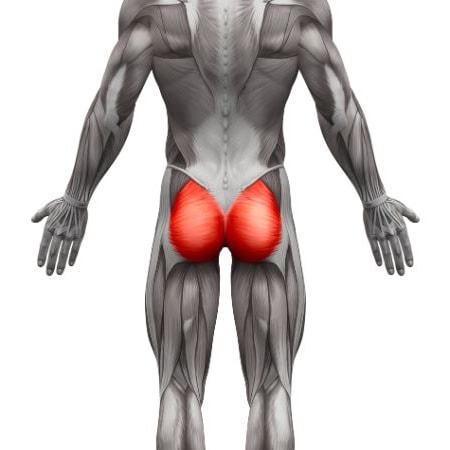
Glutes
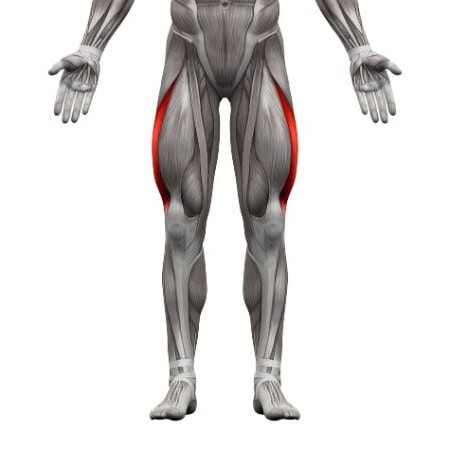
Quads
Secondary Muscle(s):
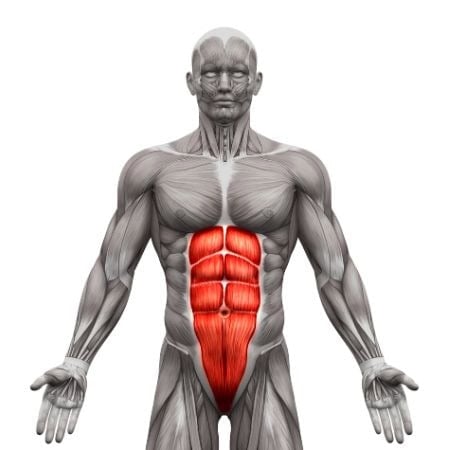
Abdominal
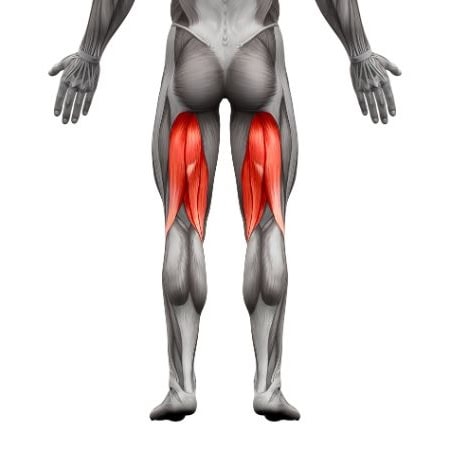
Hamstring
Equipment needed for Dragon Squat
No equipment needed for this exercise.
Adjust the difficulty of Dragon Squat
How to make Dragon Squat harder?
How to make Dragon Squat easier?
How to make Dragon Squat harder?
To make Dragon Squat harder:
-
Take three to five seconds to descend.
-
Pause in the fully threaded bottom position for two to three seconds.
-
Keep your arms crossed over your chest instead of extending them for balance.
-
Perform consecutive repetitions without placing the free foot down.
-
Use a slow, controlled ascent instead of accelerating from the bottom.
-
Wear a lightly loaded weighted vest after mastering consistent bodyweight repetitions.
How to make Dragon Squat easier?
To make Dragon Squat easier:
-
Hold a securely fixed upright with one hand while performing the threading movement.
-
Practise the leg pathway from an assisted deep pistol-squat position.
-
Perform an elevated dragon squat while standing near the edge of a stable box.
-
Perform a partial-range dragon squat without descending to the full bottom position.
-
Practise curtsy-style single-leg squats before attempting the complete thread-through.
-
Perform dragon squat negatives and use your hands or both feet to return to standing.
-
Build strength with hand-assisted pistol squats.
-
Build eccentric control with single-leg squat negatives.