
Front Lever
How to do Front Lever?
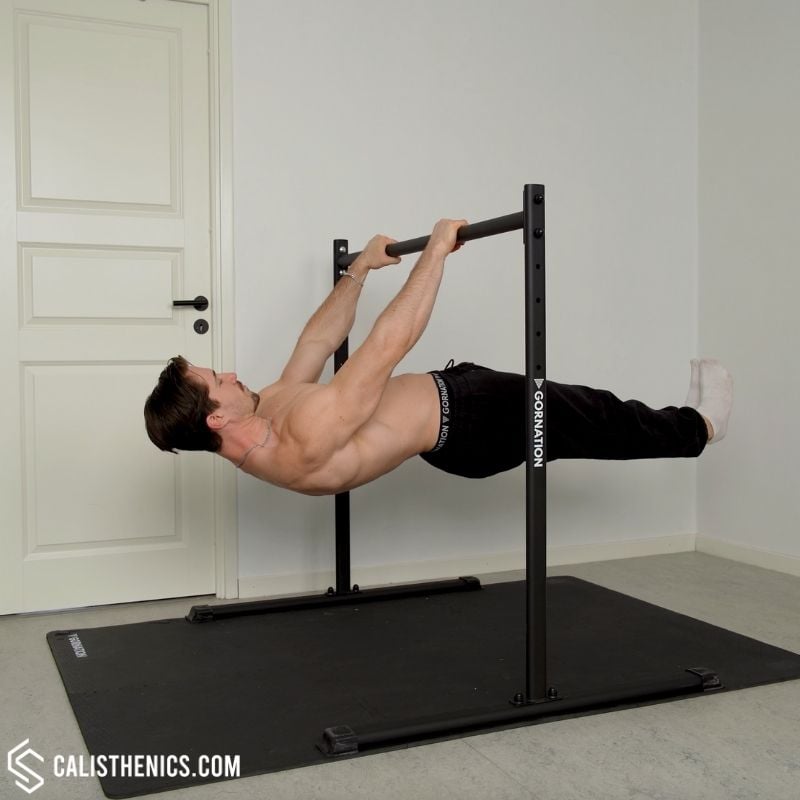
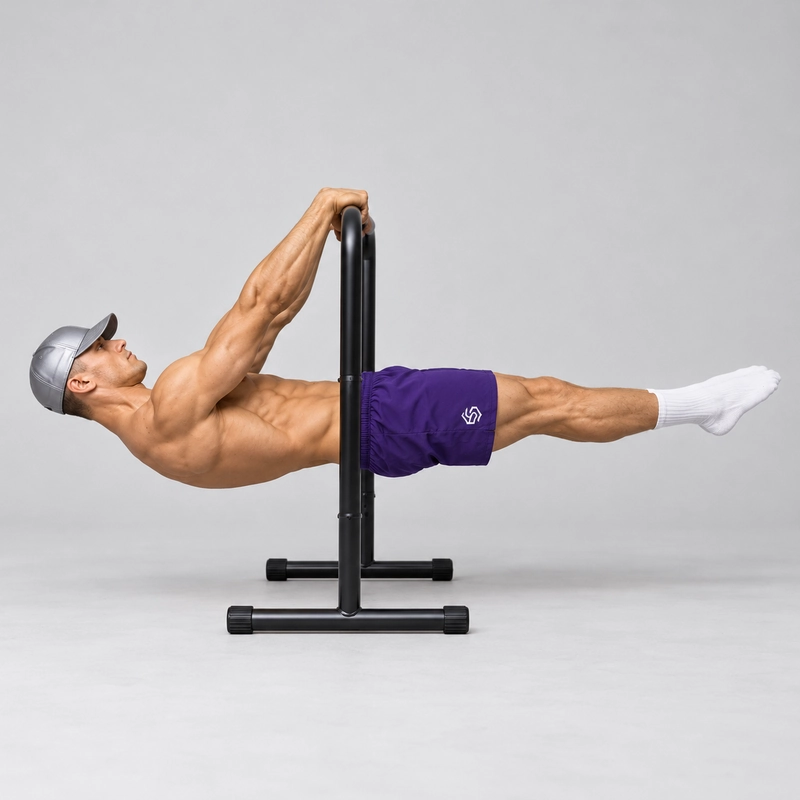
The full front lever is an elite calisthenics skill performed while hanging from a pull-up bar or gymnastics rings. The athlete holds the body face-up and parallel to the ground with straight arms, locked knees, legs together and toes pointed. Unlike a front lever raise, the full front lever is an isometric hold: once the horizontal position is established, the goal is to remain motionless without losing alignment.
The long, straight body position makes the full front lever substantially harder than its shorter-lever progressions. Athletes should first develop straight-arm pulling strength and positional control with the tuck front lever and advanced tuck front lever. Later steps can include the straddle half-lay front lever, single-leg front lever, straddle front lever and half-lay front lever.
A banded front lever provides another useful bridge because it lets you practise the exact legs-together position with reduced resistance. Choose enough assistance to maintain a clean horizontal line, then reduce the band support gradually rather than practising repeated holds with sagging hips or bent elbows.
For a complete progression-based session, use our front lever training routine. The exercise page below defines the final movement and its form standard, while the routine explains how to train toward it.
Affiliate disclosure: Calisthenics.com may earn a commission from qualifying purchases made through the equipment link below, at no additional cost to you.
The original demonstration uses the GORNATION Static Bar. The video was produced with calisthenics athlete Simon Imhäuser and calisthenics coach Daniel Flefil.
Tips for the proper execution of Front Lever
Engage Your Entire Body: Keep your core, lats, glutes, and legs tight to maintain stability and alignment.
Scapular Depression: Keep your shoulders down and away from your ears to support proper alignment and avoid strain.
Point Your Toes: Fully extend your legs and point your toes to maintain tension and proper form.
Controlled Movements: Avoid swinging or using momentum; focus on slow, deliberate transitions into and out of the front lever.
Breathe Steadily: Maintain steady breathing to stay relaxed and focused during the hold.
Muscles worked when doing Front Lever
Primary muscles
- Latissimus dorsi: The lats generate much of the straight-arm pulling tension that prevents the body from falling below the bar. Their actions include shoulder extension and adduction, as described in this NCBI anatomy overview of the latissimus dorsi.
- Abdominal muscles: The rectus abdominis, transverse abdominis and obliques help control the rib cage and pelvis so the trunk remains rigid rather than extending at the lower back. The rectus abdominis contributes to trunk and pelvic control, according to this NCBI abdominal-wall anatomy overview.
- Teres major: Works with the latissimus dorsi during shoulder extension and contributes to maintaining the straight-arm lever position.
Secondary and stabilizing muscles
- Trapezius and rhomboids: Help control the shoulder blades and maintain a stable connection between the arms and torso.
- Posterior deltoids: Assist the lats during shoulder extension and contribute to upper-arm stability.
- Biceps and other elbow flexors: Contract isometrically to stabilize the elbow even though the arms remain straight.
- Triceps: Help maintain full elbow extension.
- Forearms and hand muscles: Maintain a secure grip on the bar or rings.
- Glutes: Keep the hips extended and connect the torso to the legs.
- Spinal stabilizers: Work with the abdominal muscles to maintain trunk alignment.
- Quadriceps and calves: Keep the knees extended, legs rigid and toes pointed.
Primary Muscle(s):
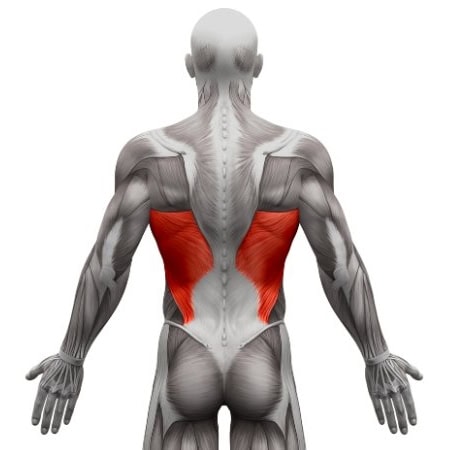
Lats
Secondary Muscle(s):
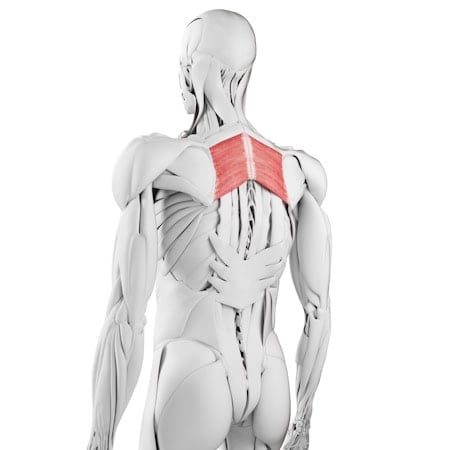
Rhomboid
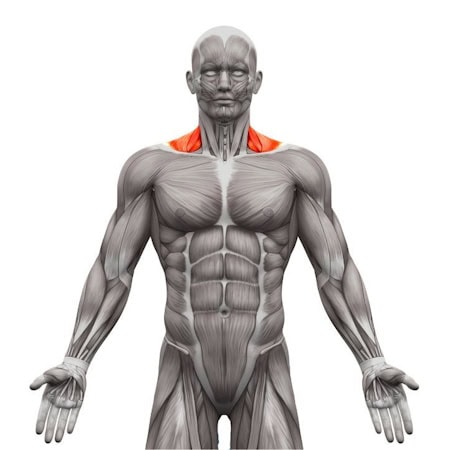
Trapezius
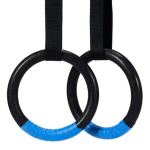
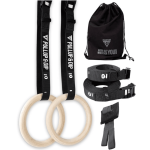
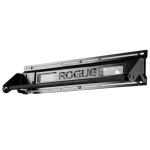
Equipment needed for Front Lever
Adjust the difficulty of Front Lever
How to make Front Lever harder?
How to make Front Lever easier?
How to make Front Lever harder?
To make Front Lever harder:
-
Increase Hold Duration: Gradually extend the time you hold the front lever to build endurance and strength.
-
Perform Front Lever Pulls: From the hanging position, pull your body into the front lever position and return to hanging, focusing on controlled, deliberate movements.
-
Use Gymnastics Rings: Perform the front lever on gymnastics rings to introduce instability, requiring greater muscle engagement and control.
-
Add Weights: Use ankle weights or a weight vest to increase resistance, challenging your core and back muscles even more.
-
Incorporate Dynamic Movements: Transition between different front lever variations (e.g., full front lever to straddle or tuck) to enhance control and coordination.
How to make Front Lever easier?
To make Front Lever easier:
-
Use a Resistance Band: Loop a resistance band around a pull-up bar or rings and place it under your hips for support. Choose a band with higher resistance to reduce the load.
-
Start with Tuck Variations: Perform the tuck front lever or advanced tuck front lever, where your knees are bent, reducing the leverage and intensity.
-
Try the Straddle Front Lever: Spread your legs apart in a straddle position to reduce the load on your core and back while maintaining proper alignment.
-
Focus on Controlled Negatives: From the hanging position, slowly lower your body into a partial front lever and return to hanging. This builds eccentric strength.
-
Train Core and Back Separately: Strengthen your core with exercises like hanging leg raises and your back with pull-ups and rows to build the muscles needed for the full front lever.