
Negative Parallel Bar Dip
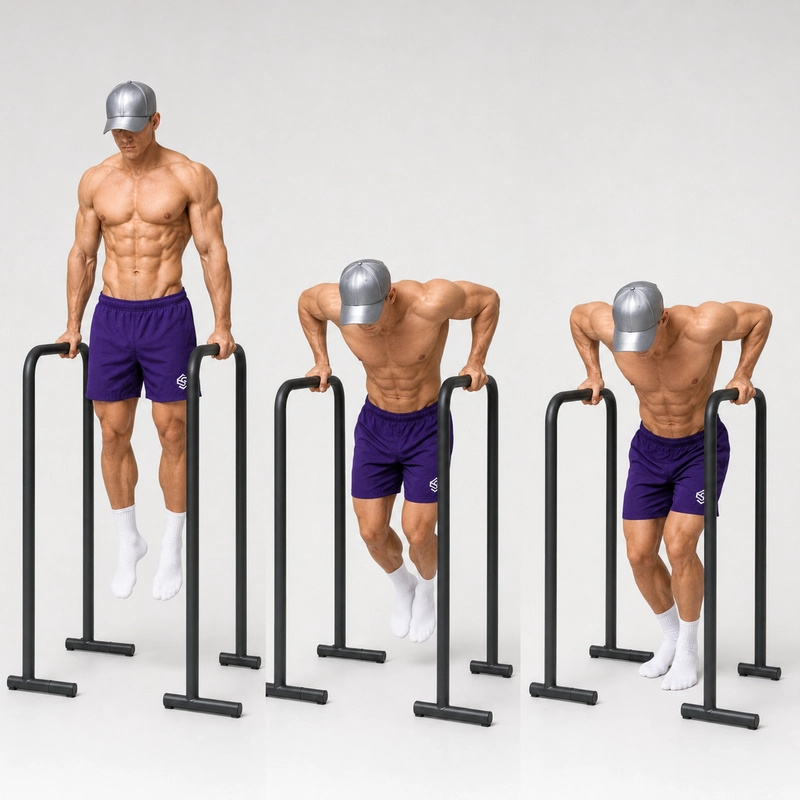
How to do Negative Parallel Bar Dip?
The negative parallel bar dip, also called an eccentric dip, isolates the lowering phase of the strict parallel bar dip. You begin in a locked-arm support position, lower your body slowly between the bars and then place your feet on a box to return to the top without performing the upward press.
This makes negative dips useful for athletes who can support themselves above the bars but cannot yet press through a complete bodyweight repetition. The chest, triceps and anterior deltoids must resist gravity throughout the descent, while the fixed parallel bars provide a more stable environment than ring dip negatives.
A secure plyo box or step is an important part of the setup. It should allow you to enter the top position and reset after every repetition without jumping, climbing awkwardly or attempting a fatigued press. If you are still developing your first repetitions, the six-week dip workout plan combines negatives with support holds, assisted dips and complementary pushing exercises.
Use fixed bars with enough clearance for your legs and space for the box. If you are setting up at home, see our guide to choosing stable dip bars for home workouts.
Readiness: You should be able to establish a short, stable support position with straight elbows and your feet close enough to a box for a controlled exit. Stop if you experience sharp pain or a feeling of instability in the shoulders, elbows or wrists.
Tips for the proper execution of Negative Parallel Bar Dip
Begin every repetition with fully extended elbows.
Press the shoulders down away from the ears at the top.
Keep the abdomen and glutes engaged to prevent swinging.
Lower for approximately three to five seconds.
Let the torso incline slightly as the elbows travel backward.
Use shoulder-to-elbow height as the initial depth standard.
Place the feet on the box or floor before control is lost.
Use the legs—not an upper-body press—to return to the top.
Reset your shoulder and body position before every repetition.
Stop the set when you can no longer maintain the intended descent time.
Use assistance if the lowering phase becomes an uncontrolled drop.
Muscles worked when doing Negative Parallel Bar Dip
The negative parallel bar dip is an eccentric vertical-pushing exercise. During an eccentric contraction, the working muscles produce force while lengthening to slow the body against gravity.
Primary Muscles
- Pectoralis major: Works eccentrically to control the movement of the upper arms as the chest and shoulders descend between the bars.
- Triceps brachii: Lengthen under tension while controlling elbow flexion throughout the lowering phase.
Secondary Muscles
- Anterior deltoids: Help control the shoulder position as the torso travels forward and downward.
- Scapular stabilizers: The trapezius, serratus anterior and other shoulder-girdle muscles maintain an organized shoulder position during the descent.
- Forearms and hand muscles: Maintain the grip and stabilize the wrists on the bars.
- Abdominals and obliques: Brace the torso and limit swinging or rotation.
- Glutes: Help keep the lower body quiet and connected to the torso.
The muscles used are essentially the same as in a strict parallel bar dip, but this variation removes the concentric pressing phase. The athlete only resists the downward movement before using the box to reset.
Primary Muscle(s):
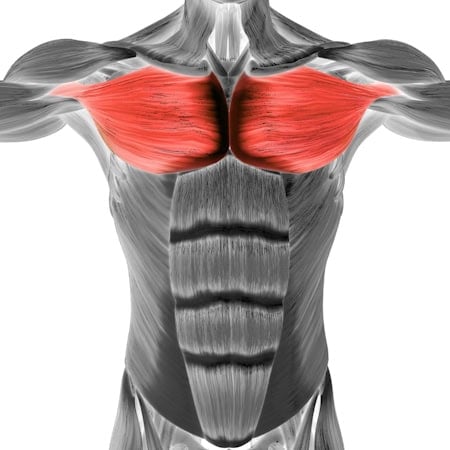
Lower chest
Secondary Muscle(s):
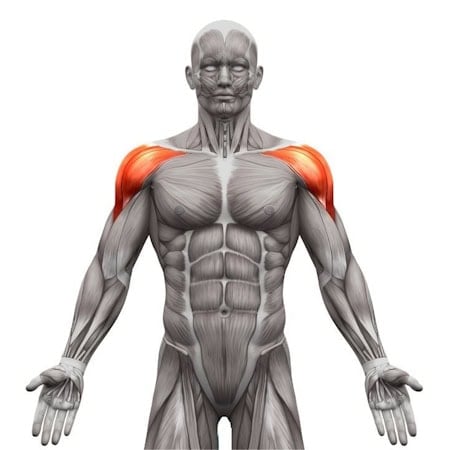
Anterior delt
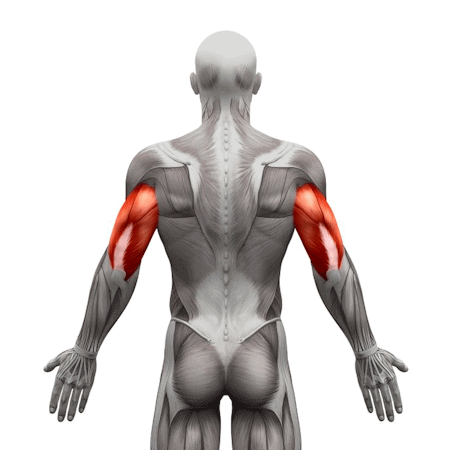
Triceps
Equipment needed for Negative Parallel Bar Dip
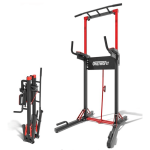
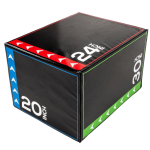
Adjust the difficulty of Negative Parallel Bar Dip
How to make Negative Parallel Bar Dip harder?
How to make Negative Parallel Bar Dip easier?
How to make Negative Parallel Bar Dip harder?
To make Negative Parallel Bar Dip harder:
-
Extend the descent to five to eight seconds.
-
Pause briefly at the midpoint without losing shoulder control.
-
Pause for one to two seconds at the bottom before placing the feet down.
-
Perform full-depth negatives with the same tempo on every repetition.
-
Progress to band-assisted full dips.
-
Progress to strict parallel bar dips.
-
Progress to ring dip negatives after mastering the stable-bar version.
-
Perform an L-sit negative dip while maintaining the leg position.
How to make Negative Parallel Bar Dip easier?
To make Negative Parallel Bar Dip easier:
-
Use a resistance band to reduce the bodyweight being lowered.
-
Keep the feet lightly supported on a box or floor throughout the descent.
-
Reduce the range of motion temporarily.
-
Use a shorter two-to-three-second descent.
-
Practise parallel bar support holds before adding the lowering phase.
-
Use an assisted dip machine and emphasize the eccentric phase.
-
Ask a qualified training partner to provide light assistance at the legs.