
One Arm Push-Up
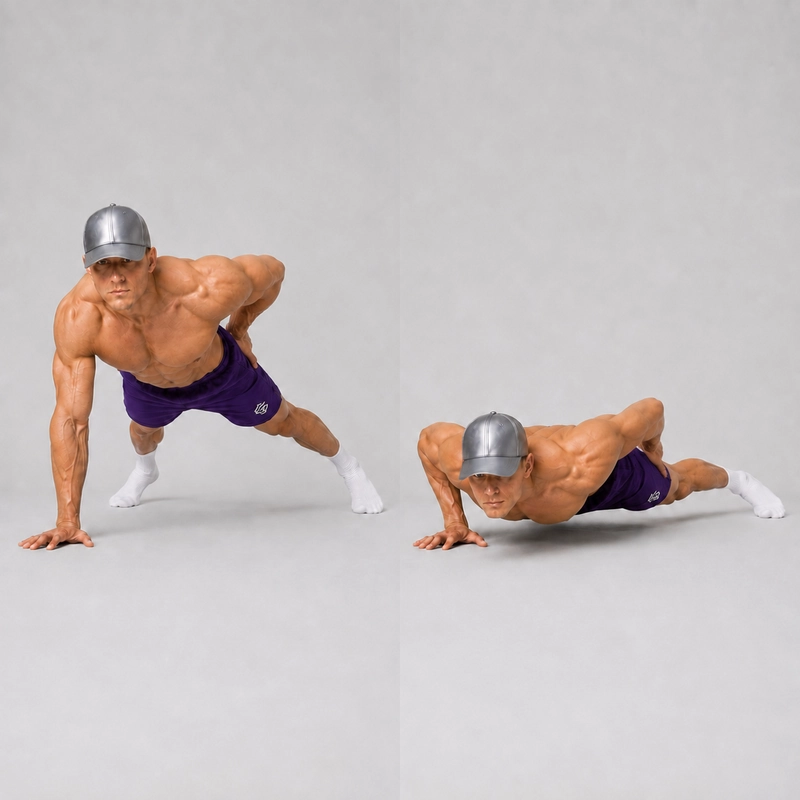
How to do One Arm Push-Up?
The one arm push-up, also called the one handed push-up, is an advanced bodyweight exercise in which one arm performs the entire pressing movement while the other arm remains off the floor. Compared with regular push-ups, it places substantially more demand on the working-side chest, triceps and shoulder while forcing the trunk to resist rotation.
Most athletes first learn the exercise with their feet spread apart to create a wider and more stable base. The working hand remains on the floor while the free arm is held behind the back or alongside the body. As your balance and full-body tension improve, you can gradually bring your feet closer together without sacrificing depth or control.
Before attempting a full repetition, you should be comfortable performing regular push-ups through a consistent range of motion. Uneven push-ups and staggered push-ups are useful intermediate exercises because they shift progressively more work onto one side. A short wrist warm-up is also advisable before loading one hand so heavily.
The feet-together, chest-to-ground version is a significantly stricter form of the exercise. The official Guinness World Records category requires the athlete to keep the legs together and touch the chest to the ground. Read our complete one arm push-up guide to learn how record holder Miguel A. Fernandez approached this demanding standard.
Tips for the proper execution of One Arm Push-Up
Begin with a wide foot position and narrow your stance only when you can control the full range of motion.
Shift your chest over the working hand before starting the descent.
Grip the floor with spread fingers to improve balance and wrist stability.
Keep your abdominals and glutes braced throughout the repetition.
Allow a small, controlled hip shift instead of trying to remain artificially square to the floor.
Keep the working elbow travelling diagonally backward rather than flaring directly sideways.
Make the chest-to-floor depth consistent on every repetition.
Train both arms and let the weaker side determine the number of repetitions.
End the set before loss of balance or lower-back sagging changes the movement.
Do not continue through sharp wrist, elbow or shoulder pain.
Muscles worked when doing One Arm Push-Up
The one arm push-up is a unilateral horizontal pressing exercise. The working-side chest, triceps and anterior shoulder produce most of the pressing force, while the core and lower body prevent the torso from collapsing or rotating uncontrollably.
Primary muscles
- Pectoralis major: The chest produces horizontal pressing force and helps move the upper arm across the body.
- Triceps brachii: The triceps extend the working elbow as you press away from the floor.
- Anterior deltoid: The front shoulder assists the chest and stabilizes the upper arm throughout the repetition.
Secondary muscles
- Obliques and deep abdominal muscles: Resist unwanted rotation and help transfer force between the upper and lower body.
- Rectus abdominis and spinal stabilizers: Maintain trunk position and prevent the lower back from sagging.
- Serratus anterior and scapular stabilizers: Control the shoulder blade as the body moves toward and away from the floor.
- Glutes and quadriceps: Keep the hips and knees extended so the body moves as a connected unit.
- Forearm and hand muscles: Stabilize the heavily loaded wrist and maintain contact with the floor.
Compared with a two-arm push-up, this variation also creates a much larger anti-rotation challenge. This is why strong chest and triceps muscles alone do not guarantee a controlled one arm push-up: pressing strength, balance and full-body tension must work together.
Primary Muscle(s):
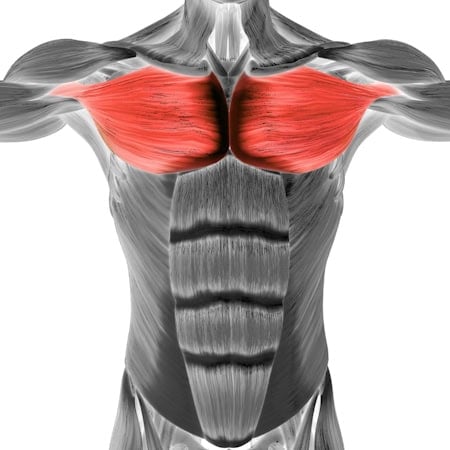
Middle chest
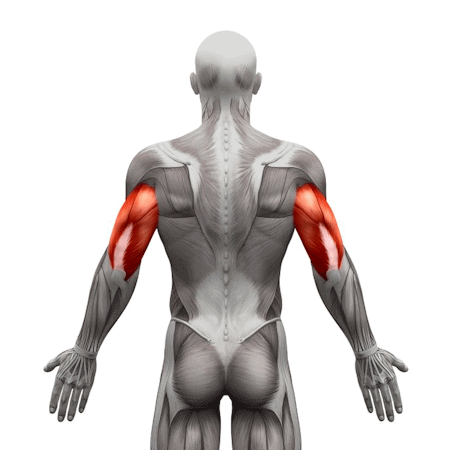
Triceps
Secondary Muscle(s):
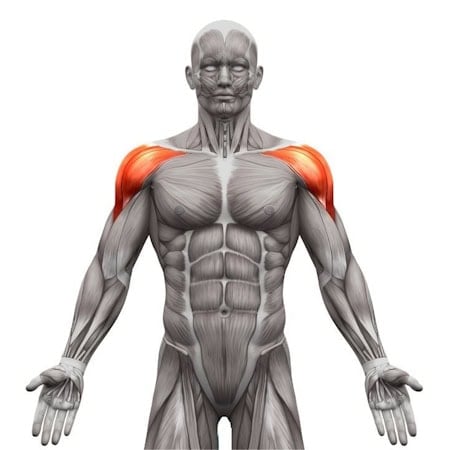
Anterior delt
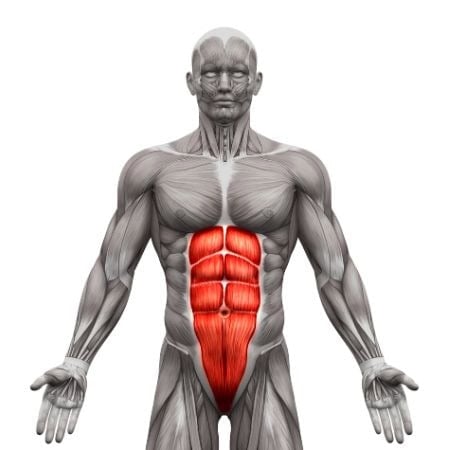
Abdominal
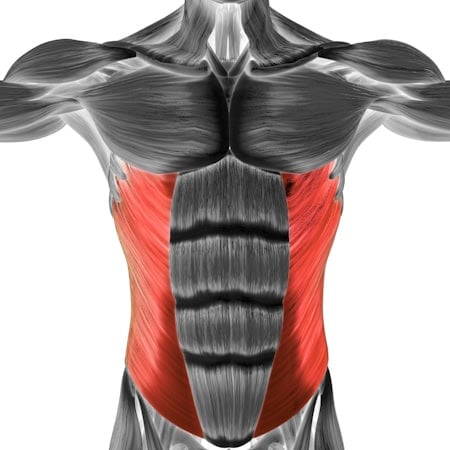
Oblique
Equipment needed for One Arm Push-Up
No equipment needed for this exercise.
Adjust the difficulty of One Arm Push-Up
How to make One Arm Push-Up harder?
How to make One Arm Push-Up easier?
How to make One Arm Push-Up harder?
To make One Arm Push-Up harder:
-
Narrow the Stance: Bring the feet progressively closer together to increase the balance and anti-rotation demands.
-
Strict Feet-Together One Arm Push-Up: Keep both feet touching throughout the entire chest-to-ground repetition.
-
Paused One Arm Push-Up: Hold the bottom position for two to three seconds before pressing up.
-
Slow Eccentric One Arm Push-Up: Take four to six seconds to complete the lowering phase.
-
Deficit One Arm Push-Up: Place the working hand on a stable push-up bar or low block and lower the chest below hand level.
-
Feet-Elevated One Arm Push-Up: Elevate the feet on a stable box to shift more bodyweight toward the working arm.
How to make One Arm Push-Up easier?
To make One Arm Push-Up easier:
-
Incline One Arm Push-Up: Place the working hand on a sturdy bench, box or other elevated surface to reduce the percentage of bodyweight being pressed.
-
Self-Assisted One Arm Push-Up: Place the free hand lightly on a raised object and use only as much assistance as necessary.
-
Uneven Push-Ups: Elevate one hand while keeping both hands involved, shifting more work toward the lower arm.
-
Staggered Push-Ups: Move one hand farther forward and the other farther back to introduce controlled asymmetrical loading.
-
One Arm Negative: Lower using one arm, place the free hand down at the bottom and return to the top with both arms.
-
Use a Wider Stance: Spread the feet farther apart to create a more stable base of support.