
Chest-to-Bar Pull-Up
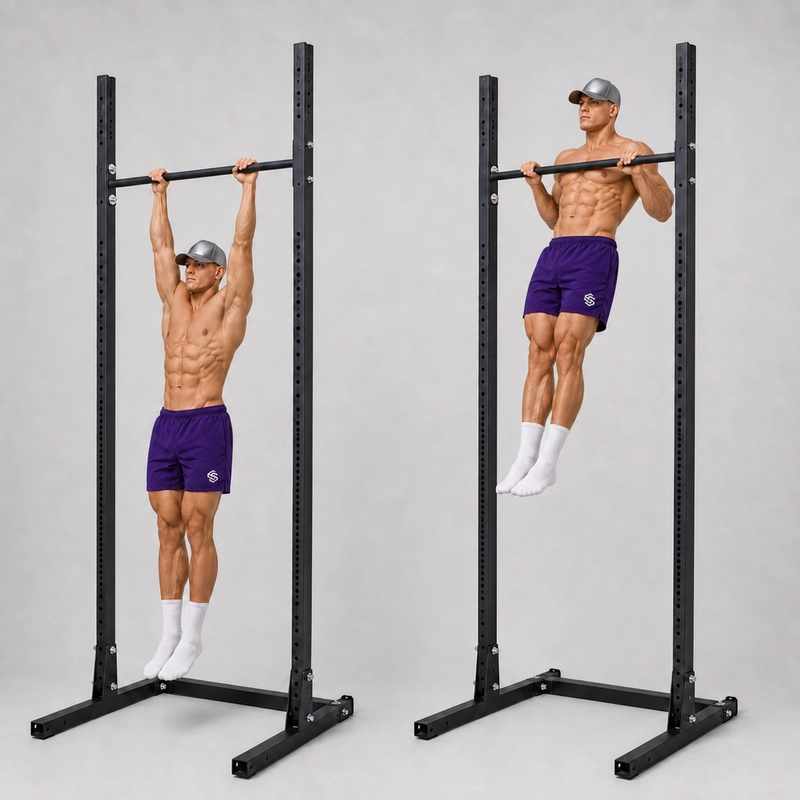
How to do Chest-to-Bar Pull-Up?
The chest-to-bar pull-up is a more demanding version of the strict pull-up. Instead of finishing when your chin passes the bar, you continue pulling until the bar makes controlled contact with your upper chest. This develops the strength to pull higher and is a useful step toward explosive pull-ups and bar muscle-ups.
This guide covers the strict calisthenics variation: no kipping, leg drive or hip swing. If you are still building your first clean pull-up, begin with our 6-week pull-up workout plan before training chest-to-bar reps.
How to Do a Chest-to-Bar Pull-Up
- Take a secure overhand grip. Hold the bar around shoulder-width or slightly wider, with your thumbs wrapped around it.
- Start from a controlled full hang. Straighten your elbows, brace your abs and glutes, and keep your legs quiet. Do not begin with a swing.
- Set your shoulder blades. Pull your shoulders down away from your ears before bending your elbows hard. Think about driving your elbows down and behind you.
- Pull past normal pull-up height. As your elbows move beside your torso, allow a small, controlled backward lean and lift your chest toward the bar. This is a strong upper-back position, not a kip.
- Touch the bar with your upper chest. Make clear, controlled contact below the collarbones, around the upper sternum. Do not reach with your chin or crash into the bar.
- Lower under control. Reverse the movement until your elbows are fully straight again. Reset your body before beginning the next repetition.
What Counts as a Full Chest-to-Bar Rep?
A valid repetition begins from straight elbows and finishes with visible contact between the bar and your upper chest. Your body may use a slight controlled arch or backward lean near the top, but your legs and hips should not create momentum.
- Begin from a motionless full hang with straight elbows.
- Pull without kicking, cycling the legs or snapping the hips.
- Make controlled bar contact below the collarbones.
- Keep the pull reasonably even from left to right.
- Return to full elbow extension before the next rep.
A chin-over-bar rep is still a pull-up, but it is not a completed chest-to-bar pull-up. End the set when you can no longer reach the same contact point without using momentum.
Chest-to-Bar Pull-Up Benefits
- Builds top-range pulling strength: The extra height makes the hardest part of the pull-up more demanding.
- Develops higher and more explosive pulls: Learning to accelerate through the full range helps prepare you for advanced bar skills.
- Strengthens upper-back control: Reaching the bar requires strong scapular depression and retraction rather than simply lifting the chin.
- Creates a clear rep standard: Chest contact is easier to judge consistently than an almost-over-the-bar chin.
- Supports muscle-up preparation: A powerful high pull is an important foundation, although muscle-ups also require transition and straight-bar dip skills.
Common Chest-to-Bar Pull-Up Mistakes
Stopping With the Chin Over the Bar
Pulling only to chin height avoids the extra range that defines this exercise. Reduce the repetitions, use assistance or practise top-position holds until every working rep reaches the upper chest.
Kipping or Swinging the Legs
A forceful hip snap can lift you to the bar without building the same strict pulling strength. Brace your trunk, keep your legs quiet and reset at the bottom. If a swing starts, wait for it to stop before the next rep.
Staying Completely Vertical
Trying to keep your torso perfectly upright often sends the bar toward your face rather than your chest. A small, controlled backward lean near the top gives the bar a clear path to the upper sternum. The lean should come from deliberate positioning, not momentum.
Using an Excessively Wide Grip
A very wide grip shortens the pulling range and can make chest contact unnecessarily difficult. Start around shoulder-width or slightly wider, then adjust by a few centimetres if needed.
Reaching With the Neck
Do not throw your head back to make the rep look higher. Keep your neck neutral and bring your chest to the bar by continuing to drive the elbows down and back.
Crashing Into the Bar
The goal is definite contact, not impact. Control the final centimetres so your upper chest touches the bar without bouncing away from it.
Skipping the Full Hang
Starting with bent elbows turns the exercise into a partial rep. Lower until your elbows are straight while maintaining active control through the shoulders.
How Many Chest-to-Bar Pull-Ups Should You Do?
Train chest-to-bar pull-ups as a strength or power exercise while your technique is fresh. A practical starting point is 3–5 sets of 2–5 strict reps with 2–3 minutes of rest. Stop each set when your chest no longer reaches the bar at the same point.
Most athletes should first be able to perform roughly 5–8 controlled strict pull-ups. This is a coaching guideline rather than a universal entry test: clean scapular control and the ability to finish strongly matter more than chasing a specific number.
Easier Chest-to-Bar Pull-Up Progressions
- Strict pull-up with a top pause: Pull as high as possible and hold for one or two seconds before lowering.
- Slow-motion pull-up: Use a controlled tempo to strengthen weak points throughout the range. See the slow-motion pull-up.
- Top-position chest-to-bar hold: Step from a box into the contact position, hold briefly, then lower with control.
- Chest-to-bar negative: Begin with your upper chest at the bar and take three to five seconds to descend.
- Band-assisted chest-to-bar pull-up: Use enough help to reach the same contact point on every rep. Learn the setup in our resistance band pull-up guide.
Harder Chest-to-Bar Pull-Up Variations
- Paused chest-to-bar pull-up: Hold your chest against the bar for two to three seconds.
- Slow-eccentric chest-to-bar pull-up: Lower for three to five seconds after every full rep.
- Weighted chest-to-bar pull-up: Add a small load only if bar contact and strict form remain unchanged.
- Lower-chest pull-up: Pull the bar toward the lower chest or upper abdomen to develop even greater height.
Chest-to-Bar Pull-Up FAQ
What is the difference between a pull-up and a chest-to-bar pull-up?
A standard pull-up is usually completed when the chin clearly passes the bar. A chest-to-bar pull-up continues higher until the upper chest touches the bar, increasing the demand on top-range pulling strength and upper-back control.
Should the bar touch the chest or collarbone?
Aim for controlled contact below the collarbones, around the upper sternum. Touching only the neck, chin or collarbone does not demonstrate the same pulling height and can encourage an awkward head position.
Do chest-to-bar pull-ups have to be strict?
Some sports also use kipping or butterfly chest-to-bar pull-ups. On this page, “chest-to-bar pull-up” means the strict calisthenics version: the pull comes from your upper body while your hips and legs remain controlled.
Why can I do pull-ups but not chest-to-bar pull-ups?
You may have enough strength to clear the bar with your chin but not enough force or control in the final part of the movement. Top-position holds, slow negatives, high band-assisted reps and low-repetition explosive pull-ups can strengthen that missing range.
Are chest-to-bar pull-ups good for muscle-ups?
Yes. They teach you to pull higher than a normal pull-up and are a useful muscle-up prerequisite. They do not train the entire skill, however; you will also need to learn the transition over the bar and develop a strong straight-bar dip.
Tips for the proper execution of Chest-to-Bar Pull-Up
Grip the bar overhand at shoulder-width or slightly wider, with your thumbs wrapped.
Hang with straight elbows, a braced trunk and no body swing.
Set your shoulder blades down, then drive your elbows toward the floor.
Pull past chin height while allowing a small controlled backward lean.
Touch the bar to your upper chest below the collarbones without kipping.
Lower under control to full elbow extension and reset.
Muscles worked when doing Chest-to-Bar Pull-Up
The chest-to-bar pull-up trains the same main pulling muscles as a strict pull-up, but the greater finishing height increases the demand on the upper back and elbow flexors near the top.
Primary Muscles
- Latissimus dorsi: Pulls the upper arms down and helps lift your body toward the bar.
- Biceps brachii and brachialis: Bend the elbows and contribute strongly as you pull through the middle and top of the rep.
- Middle and lower trapezius: Help control, depress and retract the shoulder blades as the chest approaches the bar.
- Rhomboids: Draw the shoulder blades toward the spine during the high finish.
Secondary Muscles
- Rear deltoids: Assist as the elbows travel behind the torso.
- Forearms and grip muscles: Keep your hands secure on the bar.
- Abdominals, spinal stabilizers and glutes: Control your trunk and prevent unwanted swinging.
Although the bar touches your chest, the pectoral muscles are not the primary drivers of the exercise. The movement remains a vertical pull led mainly by the lats, elbow flexors and upper-back muscles.
Primary Muscle(s):
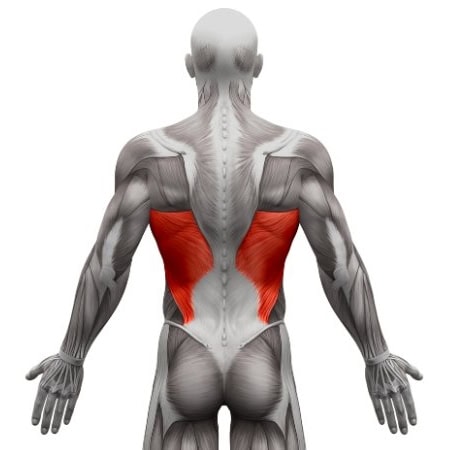
Lats
Secondary Muscle(s):
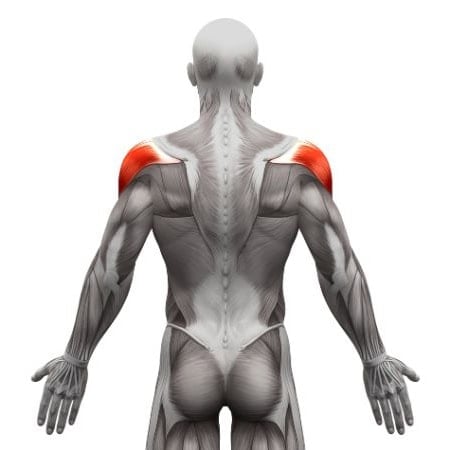
Rear delt
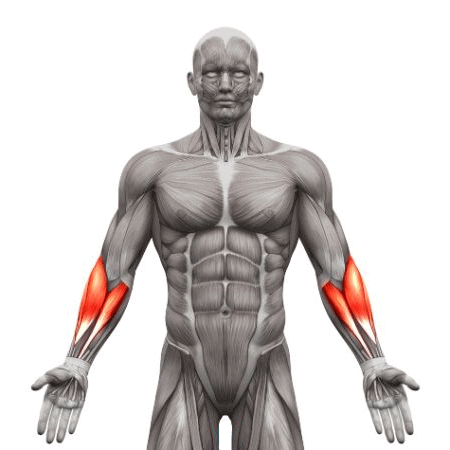
Forearm
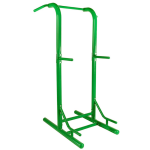
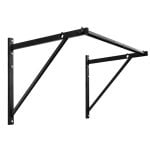
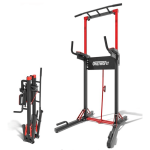
Equipment needed for Chest-to-Bar Pull-Up
Adjust the difficulty of Chest-to-Bar Pull-Up
How to make Chest-to-Bar Pull-Up harder?
How to make Chest-to-Bar Pull-Up easier?