
Back Extension (Hyperextension)
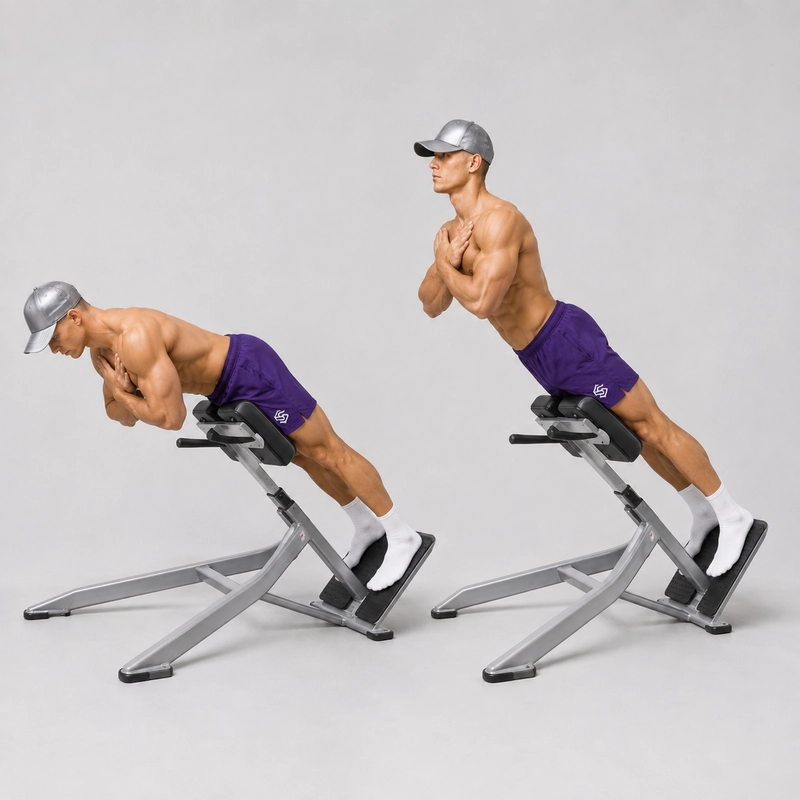
How to do Back Extension (Hyperextension)?
The back extension, commonly called a hyperextension, is a posterior-chain exercise performed on a Roman chair, 45-degree hyperextension bench or glute-ham developer. The legs remain secured while the torso lowers and rises through a controlled hip-hinge movement.
Despite the familiar “hyperextension” name, the goal is not to force the lower back into an exaggerated arch. A well-executed repetition finishes when the head, shoulders, hips and legs form a straight line. The hips extend to raise the torso while the spinal erectors brace the back and help maintain a controlled trunk position.
The exercise primarily develops the spinal erectors, glutes and hamstrings. Research comparing common hip-extension exercises found that the Roman-chair back extension produced substantial activation of both the gluteus maximus and hamstrings, although muscle recruitment changes with technique and equipment setup. You can read the peer-reviewed study for the detailed comparison.
If you are still learning the hip hinge, begin with bodyweight good mornings before progressing to a full-range back extension. For an equipment-free alternative, use the Superman raise. The existing reverse hyperextension is a separate exercise: the torso remains supported while the legs move.
For a more detailed comparison of Roman chairs, reverse hypers, glute-ham developers and at-home alternatives, see our guide to hyperextensions and reverse hypers.
Tips for the proper execution of Back Extension (Hyperextension)
Position the top of the thigh pad just below the hip crease.
Confirm that the foot platform, ankle supports and equipment frame are secure.
Brace your abdominals before beginning each repetition.
Initiate the descent by hinging at the hips rather than collapsing through the spine.
Keep your head and neck aligned with your torso.
Lower only as far as you can maintain control and a comfortable spinal position.
Drive your hips into the pad as you raise your torso.
Contract the glutes and hamstrings to produce the upward movement.
Finish with your body in a straight line instead of leaning backward.
Use a slow, controlled descent rather than dropping toward the floor.
Master the bodyweight version before holding external resistance.
Stop the set if your range, tempo or spinal position becomes inconsistent.
Muscles worked when doing Back Extension (Hyperextension)
The back extension trains the posterior chain through a combination of hip extension and trunk stabilization. Muscle emphasis varies with pad placement, spinal position and the athlete’s intention, but the spinal erectors, glutes and hamstrings perform most of the work.
Primary muscles
- Spinal erectors: The erector spinae muscles run along the back and help maintain the position of the spine as the torso lowers and rises.
- Gluteus maximus: The glutes extend the hips and help return the torso to its aligned top position.
- Hamstrings: The hamstrings assist hip extension and control the lowering phase of the movement.
Secondary muscles
- Adductor magnus: Its posterior fibers assist the glutes and hamstrings in extending the hip.
- Abdominals and obliques: Brace the trunk and help prevent uncontrolled spinal movement.
- Upper-back muscles: Stabilize the shoulder girdle and maintain torso position, particularly when the arms are placed behind the head or a weight is held at the chest.
- Calves: Help stabilize the lower legs against the equipment.
To emphasize the glutes and hamstrings, keep the spine controlled and focus on hinging at the hips. Deliberately rounding and extending the spine changes the exercise and should not be introduced casually, especially under added load.
Primary Muscle(s):
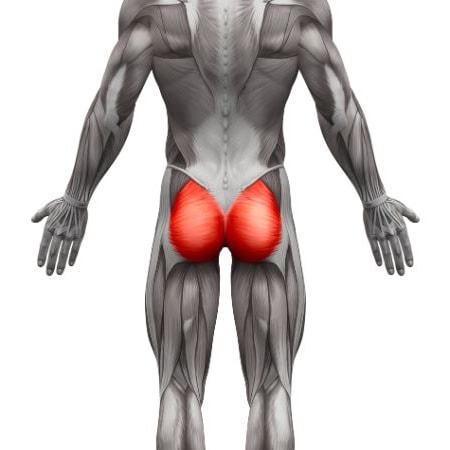
Glutes
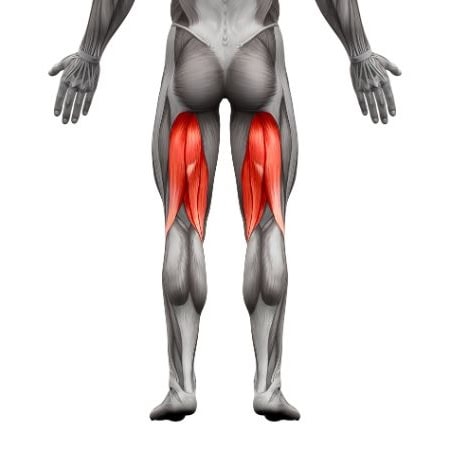
Hamstring
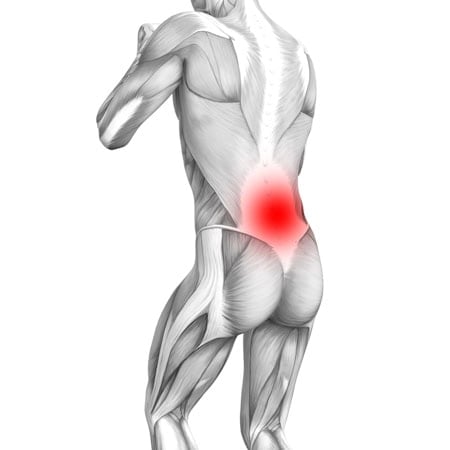
Lower back
Secondary Muscle(s):
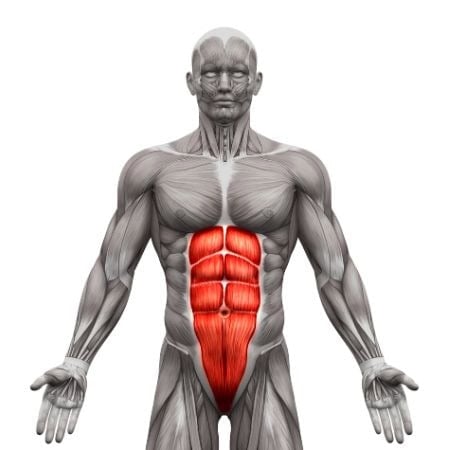
Abdominal
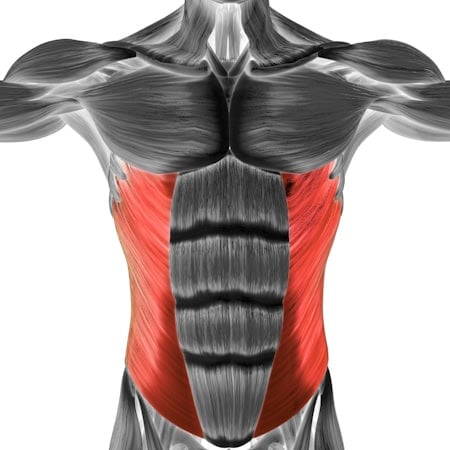
Oblique
Equipment needed for Back Extension (Hyperextension)
No equipment found.
Adjust the difficulty of Back Extension (Hyperextension)
How to make Back Extension (Hyperextension) harder?
How to make Back Extension (Hyperextension) easier?
How to make Back Extension (Hyperextension) harder?
To make Back Extension (Hyperextension) harder:
-
Slow the Descent: Take three to five seconds to lower the torso.
-
Pause at the Bottom: Hold the lowest controlled position for one to two seconds before rising.
-
Pause at the Top: Hold neutral alignment for two to three seconds without arching backward.
-
Hands Behind the Head: Moving the arms farther from the hips lengthens the lever and increases difficulty.
-
Weighted Back Extension: Hold a weight plate, dumbbell or kettlebell securely against the chest.
-
Resistance-Band Back Extension: Anchor a resistance band beneath the equipment and hold it across the shoulders or at the chest.
-
Single-Leg Emphasis: Reduce support from one leg only after mastering symmetrical repetitions and confirming the equipment remains secure.
How to make Back Extension (Hyperextension) easier?
To make Back Extension (Hyperextension) easier:
-
Reduce the Range of Motion: Lower only partway while maintaining the same hip-hinge mechanics.
-
Place Your Hands on the Pads: Use light hand support to assist the ascent and control the descent.
-
Use a 45-Degree Roman Chair: The angled position generally provides more manageable leverage than a horizontal setup.
-
Perform an Isometric Hold: Maintain the straight top position for short holds without completing repeated dynamic extensions.
-
Stability-Ball Back Extension: Support the hips and abdomen on a stability ball anchored against a wall to reduce the rigid leverage of the machine.
-
Good Mornings: Practise an unloaded standing hip hinge before supporting the body on a Roman chair.