
Floor Hyperextension
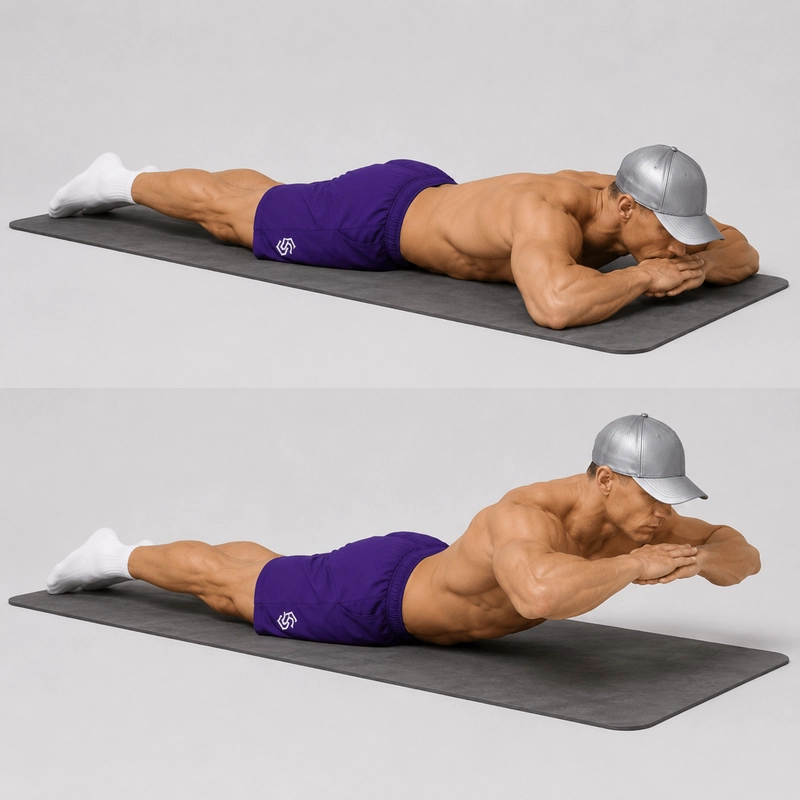
How to do Floor Hyperextension?
The floor hyperextension, also called a floor back extension or prone back extension, is a bodyweight exercise performed while lying face down. The pelvis, thighs, and feet remain on the floor while the upper torso lifts through a short, controlled range.
This makes the movement different from Superman raises, which alternate an arm and the opposite leg, and reverse hyperextensions, where the torso is supported while the legs move. It is also a repetition-based exercise rather than the static position used in a Superman hold.
Because the floor limits movement at the hips, the available range is intentionally small. Focus on controlled trunk extension and a neutral neck instead of trying to lift the chest as high as possible. The exercise primarily trains the spinal erectors while the glutes, hamstrings, and abdominal muscles help stabilize the pelvis.
For equipment-based variations and a comparison with reverse hypers, see our guide to hyperextensions and reverse hypers at home.
Tips for the proper execution of Floor Hyperextension
Keep the range small Lift only until you feel the lower-back muscles working without forcing an exaggerated arch.
Keep your legs heavy Press the tops of your feet gently into the floor so the movement remains a torso-only extension.
Maintain a neutral neck Look slightly ahead of your hands instead of lifting the chin toward the ceiling.
Control the lowering phase Take approximately two to three seconds to return your chest to the floor.
Scale with arm position Arms alongside the body are easier, hands beside the head are harder, and arms extended overhead create the longest lever.
Muscles worked when doing Floor Hyperextension
Primary muscles
- Lower back: The erector spinae produce and control the trunk-extension movement.
- Deep spinal stabilizers: Muscles including the multifidus help control the position of the vertebral column.
Secondary muscles
- Glutes: Help stabilize the pelvis and maintain lower-body position.
- Hamstrings: Assist with pelvic and leg stability while the torso moves.
- Abdominal muscles: Provide opposing tension that helps prevent uncontrolled spinal extension.
- Upper back: Supports the shoulder and arm position, particularly when the hands are beside the head or the arms are extended overhead.
Primary Muscle(s):
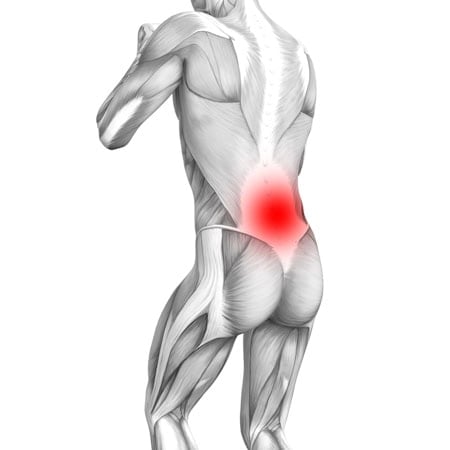
Lower back
Secondary Muscle(s):
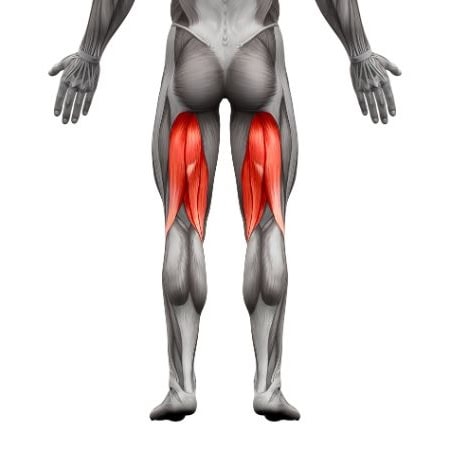
Hamstring
Equipment needed for Floor Hyperextension
Adjust the difficulty of Floor Hyperextension
How to make Floor Hyperextension harder?
How to make Floor Hyperextension easier?
How to make Floor Hyperextension harder?
To make Floor Hyperextension harder:
-
Place your hands lightly behind your head without pulling on the neck.
-
Extend both arms overhead to increase the lever length.
-
Hold the top position for two to three seconds.
-
Use a three- to five-second lowering phase.
-
Hold a light weight securely against the upper chest after mastering the bodyweight version.
-
Progress to the equipment-based Back Extension once that page is published.
How to make Floor Hyperextension easier?
To make Floor Hyperextension easier:
-
Perform the exercise with your arms resting alongside your body.
-
Lift the chest only slightly from the floor.
-
Pause between repetitions instead of maintaining continuous tension.
-
Perform a short prone back-extension hold before progressing to full repetitions.