
One-Arm Pull-Up
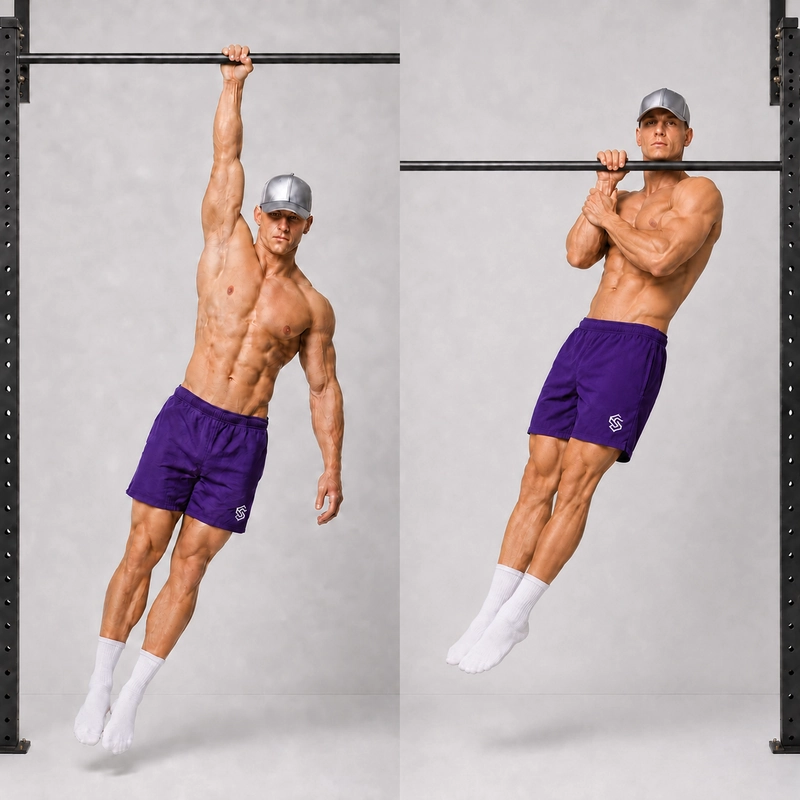
How to do One-Arm Pull-Up?
The one-arm pull-up is an elite vertical-pulling exercise in which the athlete raises their entire body using one arm. The working hand holds the bar with an overhand or pronated grip, while the free arm provides no assistance. A strict repetition starts with the working elbow fully extended and finishes when the chin passes clearly above the bar.
The grip distinguishes this exercise from the one-arm chin-up. A one-arm pull-up uses a pronated grip with the palm facing away from the athlete, while a one-arm chin-up uses an underhand or supinated grip. Both train powerful unilateral pulling, but they should remain separately defined variations rather than being treated as interchangeable names.
Build a strong bilateral foundation with strict pull-ups before shifting most of your body weight onto one arm. The band archer pull-up and band typewriter pull-up progressively increase the demand on one side while the other arm continues to provide measurable assistance.
The one-arm resistance band pull-down is a more accessible way to train unilateral shoulder extension and elbow flexion. However, accessory strength alone does not replace the grip, scapular control and full-body stability required to move your body through a strict one-arm pull-up.
There is no universal pull-up or weighted-pull-up number that guarantees readiness. Before attempting full repetitions, you should be able to control assisted one-arm pull-ups, one-arm isometric positions and slow unilateral negatives on both sides without elbow or shoulder discomfort.
Tips for the proper execution of One-Arm Pull-Up
Use an overhand grip Keep the palm facing away from you so the exercise remains a one-arm pull-up rather than a one-arm chin-up.
Wrap the thumb around the bar A closed grip provides greater security during a maximal one-arm movement.
Create shoulder tension first Stabilize the working shoulder before bending the elbow and beginning the pull.
Drive the elbow downward Think about bringing the working elbow toward your ribs rather than only trying to lift your chin.
Keep the body close to the bar Excessive distance increases swinging and makes the pulling path less efficient.
Control natural rotation A small turn toward the working arm is acceptable; forceful twisting and leg kicking are not.
Keep the free hand visible Hold it across the torso or alongside the body without touching the working arm.
Lower all the way Finish each repetition with a straight elbow and a controlled shoulder position.
Match the assistance to each side The weaker arm may require a stronger band or higher assisting-hand position.
Use low-repetition, high-quality sets End the set when range, shoulder control or the descent begins to deteriorate.
Muscles worked when doing One-Arm Pull-Up
Primary muscles
- Latissimus dorsi: The lats pull the upper arm down and help raise the torso toward the fixed hand. The muscle contributes to shoulder extension and adduction and is active when the arms are fixed overhead during climbing and chin-up movements, as explained in this NCBI anatomy overview.
- Biceps brachii: The biceps contribute to elbow flexion while also helping stabilize the shoulder and forearm. The pronated grip changes the arm position compared with an underhand one-arm chin-up, but the elbow flexors remain heavily involved.
- Brachialis and brachioradialis: These elbow flexors assist the biceps in bending the working arm and controlling the descent.
Secondary and stabilizing muscles
- Teres major: Works with the latissimus dorsi during shoulder extension and adduction.
- Trapezius and rhomboids: Help control the shoulder blade as the body moves toward and away from the bar.
- Rear deltoid: Assists with upper-arm movement and shoulder stability.
- Forearm and hand muscles: Maintain the one-handed grip throughout the repetition.
- Rotator-cuff muscles: Stabilize the upper-arm bone within the shoulder joint during the pull.
- Abdominals and obliques: Resist uncontrolled extension and rotation of the torso.
- Glutes and spinal stabilizers: Help keep the lower body controlled and reduce swinging.
Research comparing pull-up grips has found high activation of the latissimus dorsi, biceps and other upper-body pulling muscles across pronated, supinated and neutral variations. See the peer-reviewed electromyographic analysis.
Primary Muscle(s):
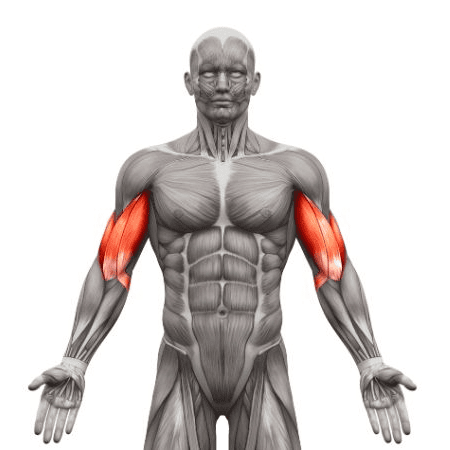
Biceps
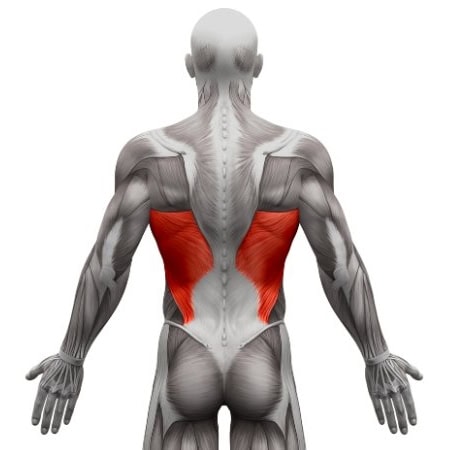
Lats
Secondary Muscle(s):
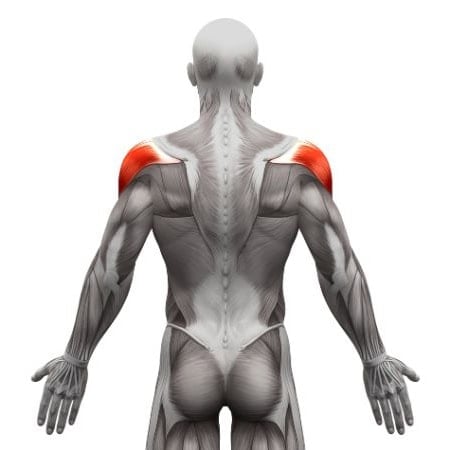
Rear delt
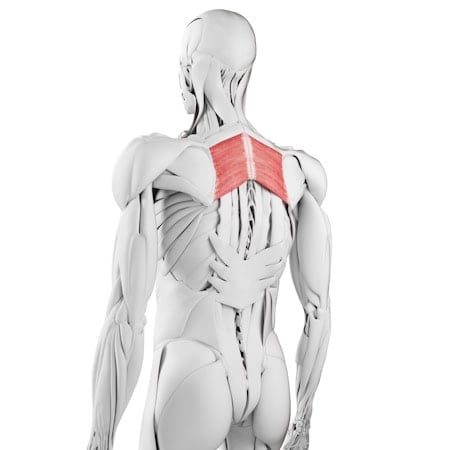
Rhomboid
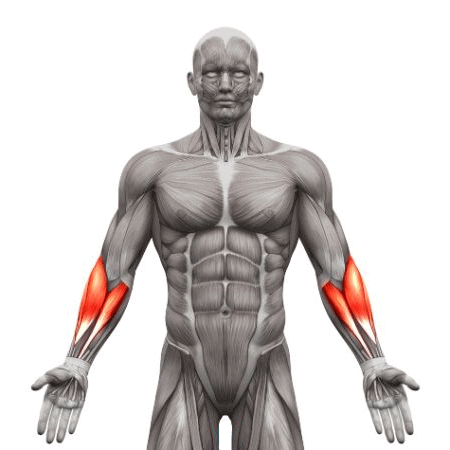
Forearm
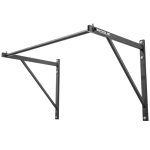
Equipment needed for One-Arm Pull-Up
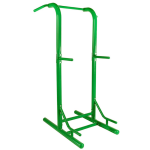
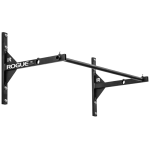
Adjust the difficulty of One-Arm Pull-Up
How to make One-Arm Pull-Up harder?
How to make One-Arm Pull-Up easier?
How to make One-Arm Pull-Up harder?
To make One-Arm Pull-Up harder:
-
Pause for two to three seconds with your chin above the bar.
-
Use a three- to five-second lowering phase.
-
Pause at several positions during the descent.
-
Perform consecutive repetitions without touching the ground.
-
Pull until the upper chest approaches the bar.
-
Perform an L-sit one-arm pull-up.
-
Perform the exercise on a freely rotating gymnastics ring.
-
Add a lightly loaded weighted vest after mastering repeatable strict repetitions.
-
Progress to a weighted one-arm pull-up.
How to make One-Arm Pull-Up easier?
To make One-Arm Pull-Up easier:
-
Perform one-arm resistance band pull-downs to build unilateral pulling strength.
-
Perform band archer pull-ups while gradually reducing assistance from the non-working arm.
-
Perform band typewriter pull-ups with controlled lateral transitions.
-
Perform assisted one-arm pull-ups while the free hand holds a resistance band or towel suspended from the bar.
-
Grip the assisting towel or band higher for more assistance.
-
Perform band-assisted one-arm pull-ups with the band supporting your foot or knee.
-
Perform one-arm isometric holds at the top, middle and lower portions of the movement.
-
Perform one-arm pull-up negatives by stepping into the top position and lowering slowly.
-
Use light fingertip assistance from the free hand during the most difficult portion.
-
Build bilateral pulling strength with strict and weighted pull-ups.