
Skin the Cat

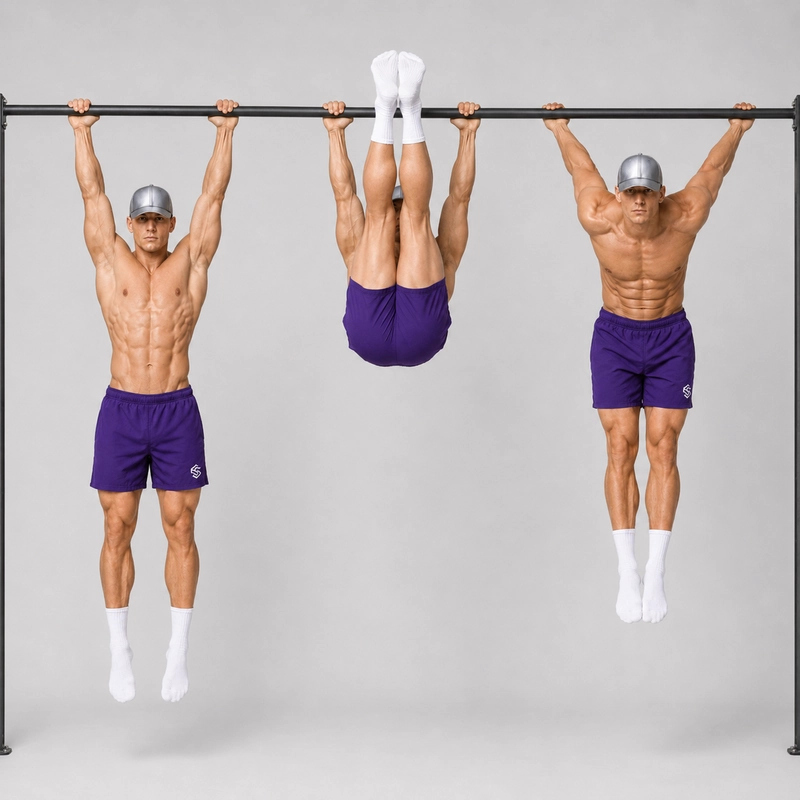
How to do Skin the Cat?
Skin the Cat is a gymnastics and calisthenics exercise in which you rotate backward from a dead hang, pass through an inverted position, and lower into a German hang with your arms behind your body.
The movement combines grip strength, core compression, pulling strength, inversion control, and a substantial amount of shoulder extension. It is commonly used as preparation for ring skills and back lever progressions, but it should be learned gradually because the German hang can place considerable tension across the shoulders, chest, and biceps.
For the version described on this page, one repetition starts in a dead hang and finishes in a controlled German hang. Returning through the movement to the dead hang is an optional progression, not part of the basic completion standard.
Tips for the proper execution of Skin the Cat
Perform a thorough shoulder warm-up (shoulder rotations, scapular circles, and resistance band stretches) before attempting this exercise.
Maintain steady breathing throughout the movement to remain calm and controlled.
Keep a slight bend in your elbows to help control rotation and maintain shoulder engagement.
Gradually increase the depth and duration of the German hang position to improve flexibility safely.
Use soft mats or padding beneath you initially to build confidence and safety.
Muscles worked when doing Skin the Cat
Primary muscles
- Latissimus dorsi: Helps lift the body from the dead hang and control the upper-arm position during the rotation.
- Abdominals and obliques: Flex and stabilize the trunk while maintaining the compact tuck.
- Hip flexors: Lift the knees and legs toward the torso during the initial phase.
- Shoulder stabilizers: Control the upper arms and shoulder blades as the shoulders move from an overhead hang into extension.
Secondary muscles
- Chest and anterior deltoids: Are placed under progressively greater tension as the arms move behind the torso in the German hang.
- Biceps: Help stabilize the elbows and cross the shoulder joint, making controlled entry into the German hang especially important.
- Trapezius and rhomboids: Help control the shoulder blades throughout the inversion and descent.
- Forearms and hand muscles: Maintain the grip on the bar.
- Triceps: Help maintain elbow extension during the straight-arm phases.
- Glutes and spinal erectors: Assist with lower-body and trunk control as the body descends behind the bar.
Primary Muscle(s):
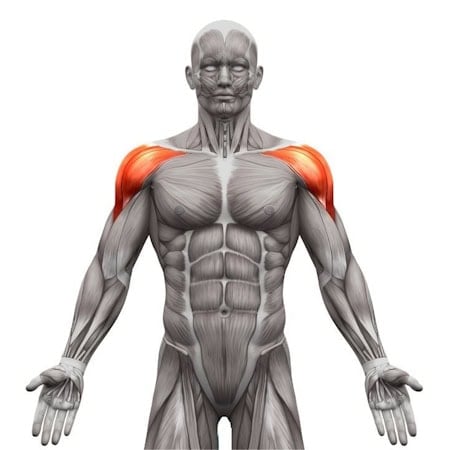
Anterior delt
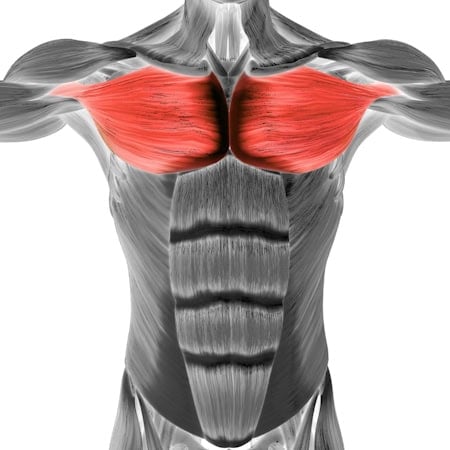
Middle chest
Secondary Muscle(s):
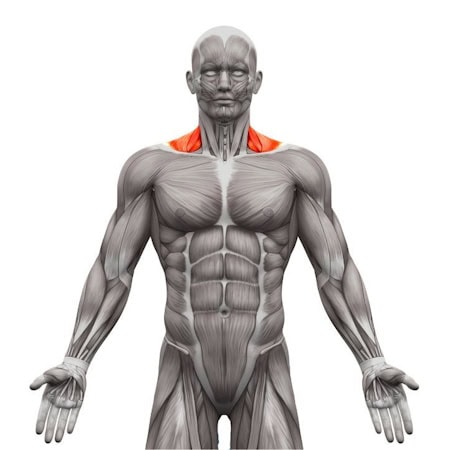
Trapezius
Equipment needed for Skin the Cat
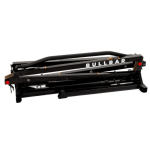
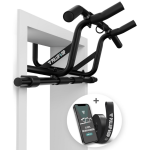
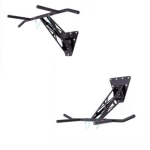
Adjust the difficulty of Skin the Cat
Skin the cat is a foundational exercise in calisthenics, effectively bridging basic hanging and pulling strength toward advanced static holds and gymnastics skills. By progressively adjusting the depth of rotation, leg positioning, tempo, and hold durations, athletes can safely and effectively advance their upper body strength, flexibility, and body control. Regular practice of skin the cat prepares your joints and muscles for challenging static holds like back levers, front levers, and planches, greatly enhancing overall upper body performance.
How to make Skin the Cat harder?
How to make Skin the Cat easier?
How to make Skin the Cat harder?
To make Skin the Cat harder:
-
Perform slower repetitions: Increase eccentric control, especially during entry and exit into the German hang.
-
Extend your legs fully: Straight-leg variations significantly increase the leverage and difficulty.
-
Increase hold duration: Hold the German hang position longer (10–20 seconds) to deepen shoulder stretch and build strength.
-
Use rings instead of a bar: Gymnastics rings offer additional instability, requiring greater muscle activation and control.
-
Incorporate back lever holds: Progress directly into back lever training from the skin the cat position for advanced strength development.
How to make Skin the Cat easier?
To make Skin the Cat easier:
-
Reduce the range of motion: Limit initial rotations, gradually progressing to the full German hang.
-
Bend your knees: Maintain a tucked position during the movement to decrease leverage difficulty.
-
Spotter or resistance band assistance: Use a spotter or resistance bands to assist rotation through challenging ranges.
-
Shorter holds: Start with brief German hang holds (1–2 seconds) to build comfort and strength gradually.
-
Practice hanging leg raises first: Build core strength and grip endurance before attempting full rotations.