
Freestanding Handstand Push-Up
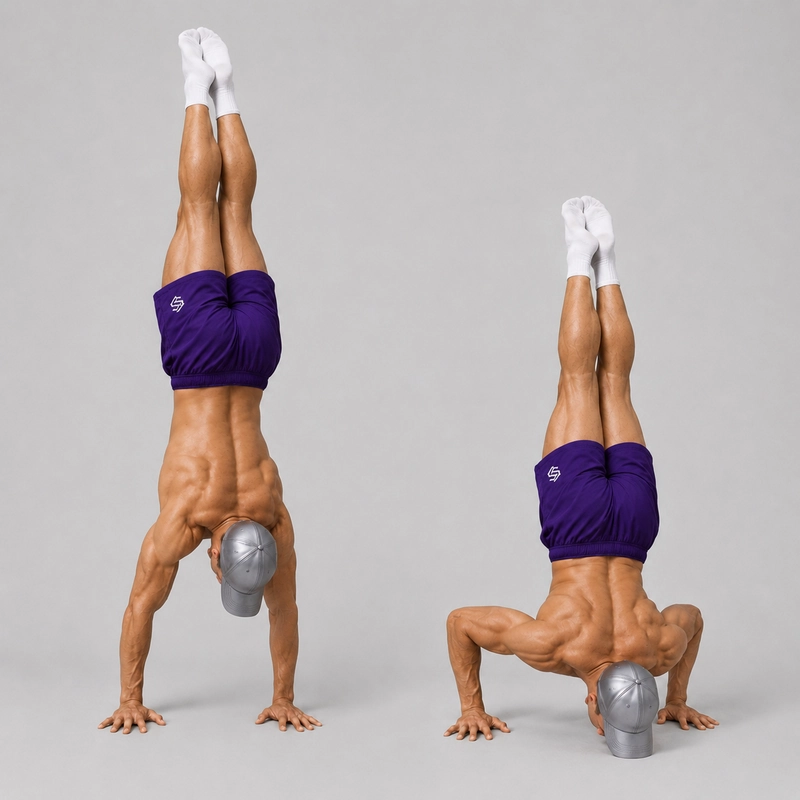
How to do Freestanding Handstand Push-Up?
The freestanding handstand push-up is an elite bodyweight exercise that combines an unsupported handstand with a strict vertical press. Starting from a balanced handstand with straight arms, you bend your elbows to lower your head lightly toward the floor and then press back to a stable overhead lockout without touching a wall or receiving assistance.
Unlike a wall-assisted handstand push-up, the freestanding version requires you to control strength and balance simultaneously. Small changes in pressure through the palms and fingers keep your center of mass above your hands while the shoulders and triceps lower and lift the body.
Before attempting it, you should be able to enter, balance and exit a well-aligned handstand safely and perform controlled vertical-pressing regressions such as the pike push-up and elevated-feet pike push-up. Prepare your hands and forearms with the wrist warm-up routine before practising freestanding repetitions.
How to Perform a Freestanding Handstand Push-Up
Practise on a flat, non-slip surface with enough clear space to step down or cartwheel out in either direction. A thin exercise mat can mark the head position and provide light cushioning, but it should not be so thick that it creates an unstable surface.
Before You Begin
- Develop a consistent freestanding handstand and a reliable step-down or cartwheel exit.
- Build sufficient pressing strength with pike push-ups and wall-assisted handstand push-ups.
- Practise lowering toward a controlled depth target before attempting head-to-floor repetitions.
- Use an open training area without furniture, equipment or other people inside your potential fall zone.
- Stop if you experience sharp pain, instability, numbness or persistent discomfort in the wrists, elbows, shoulders or neck.
Step-by-Step Instructions
- Set your hands: Place your palms approximately shoulder-width apart with the fingers spread and the index fingers pointing forward or slightly outward.
- Create a tripod target: Identify a point slightly in front of your hands where the top of your head will approach the floor as your elbows bend.
- Enter the handstand: Kick up or press into a freestanding handstand and stabilize the position before beginning the repetition.
- Establish the top position: Straighten your elbows, push tall through your shoulders, brace your core and glutes and bring your legs together above your hips.
- Begin the descent: Bend your elbows while allowing the head and shoulders to travel slightly forward instead of lowering the head directly between the hands.
- Maintain balance: Adjust pressure through the palms and fingertips while keeping the forearms comparatively vertical and the elbows from flaring excessively outward.
- Reach the bottom position: Lower until the top of your head lightly touches the floor or a thin target without transferring or resting your bodyweight onto your head.
- Reverse the movement: Press firmly through both hands, extend your elbows and guide your head back between your arms as the body rises.
- Finish at lockout: Return to straight elbows and active shoulder elevation, then demonstrate control in the handstand before beginning another repetition.
- Exit safely: Step down or use your practised cartwheel exit after completing the set instead of waiting until balance is completely lost.
Inhale during the controlled descent and exhale as you press upward. Balance corrections may interrupt this rhythm, so maintaining control is more important than forcing a rigid breathing pattern.
What Counts as a Complete Repetition?
- The repetition begins in a stable freestanding handstand with both elbows fully extended.
- No part of the body touches a wall, spotter or other support during the repetition.
- The head travels slightly forward to create a stable tripod relationship with the hands.
- The top of the head makes light contact with the floor or reaches an equivalent controlled depth.
- The athlete does not rest or transfer bodyweight onto the head.
- The elbows extend completely during the press back to the top.
- The shoulders return to an active elevated position at lockout.
- The hips and legs remain controlled without a deliberate kip or leg drive.
- Balance is demonstrated briefly at the top before the feet return to the floor.
On the floor, head-to-floor depth is the standard practical range because the surface prevents the shoulders from descending farther. The handstand push-up on parallettes is a separate variation that permits a deeper range of motion below hand level.
Common Mistakes to Avoid
- Starting before balance is established: Stabilize the handstand before bending the elbows instead of combining the kick-up and descent.
- Lowering the head directly between the hands: Allow the head to travel slightly forward so the hands and head form a stable tripod.
- Resting on the head: Maintain muscular tension at the bottom rather than compressing the neck against the floor.
- Flaring the elbows widely: Keep the elbows tracking generally backward and outward at a controlled angle.
- Allowing the shoulders to collapse: Stay active through the shoulder blades and finish every repetition by pushing tall.
- Arching the lower back excessively: Bring the ribs toward the pelvis and contract the glutes to keep the body connected.
- Using uncontrolled leg movement: Avoid kicking, scissoring or bending the knees to create pressing momentum in a strict repetition.
- Pressing unevenly: Extend both elbows together instead of shifting most of the load onto one arm.
- Looking excessively forward: Keep the head comparatively neutral and use a consistent gaze point between or slightly ahead of the hands.
- Continuing after balance deteriorates: Exit while you still have enough control to place the feet safely.
- Practising without an exit strategy: Learn a cartwheel or step-down exit before attempting maximal-depth repetitions.
Benefits of the Freestanding Handstand Push-Up
- Develops vertical pressing strength: The shoulders and triceps lift most of the bodyweight through an inverted pressing pattern.
- Combines strength with balance: The athlete must continuously control hand pressure and body position while producing force.
- Builds overhead lockout control: Every repetition finishes with straight elbows and active shoulder elevation.
- Strengthens the hands and forearms: The fingers, palms and forearms make continuous pressure adjustments to prevent a fall.
- Challenges full-body tension: The abdominals, glutes and legs keep the lower body organized above the pressing base.
- Requires no equipment: The floor variation can be performed anywhere with a suitable non-slip surface and sufficient clearance.
- Prepares for deeper variations: Consistent floor repetitions provide a foundation for handstand push-ups on parallettes and other advanced inverted presses.
A peer-reviewed exercise-technique paper describes the handstand push-up as a combination of a handstand, shoulder press and push-up that challenges upper-extremity strength, endurance and stabilization. See the published handstand push-up technique article.
Frequently Asked Questions
What makes a handstand push-up freestanding?
A freestanding repetition is performed without the feet or body touching a wall and without a spotter supporting the athlete. A spotter may remain nearby for safety, but any physical assistance means the repetition is assisted.
How is it different from a wall handstand push-up?
Both exercises train a similar vertical press, but the wall-supported version removes most of the balance requirement. The freestanding version requires continuous adjustments through the hands, shoulders, hips and legs during every phase of the repetition.
Is a floor handstand push-up full range of motion?
Head-to-floor is the normal complete range for the floor variation, but the floor prevents the shoulders from moving below hand level. Parallettes or sturdy handstand blocks are required for a deeper deficit handstand push-up.
Should my head touch the floor?
The head may make light contact to provide a consistent depth standard, but it should not support or absorb the bodyweight. Use a controlled descent and maintain tension through the hands, arms and shoulders at the bottom.
How good should my handstand be first?
There is no universal hold-time requirement, but you should be able to enter a freestanding handstand repeatedly, stabilize before pressing and exit safely in more than one direction.
Why do I lose balance during the press?
Balance is often lost because the head follows an inconsistent path, the elbows flare, the hips drift away from the hands or the athlete stops adjusting pressure through the fingers and palms.
Can I use a straddle position?
Yes. A controlled straddle can lower the center of mass and make balance corrections easier while learning, but a strict legs-together repetition is the clearer final standard.
Is kipping allowed?
A kip or forceful leg movement creates a different exercise. A strict freestanding handstand push-up keeps the hips and legs controlled while the shoulders and elbows produce the press.
How should I program freestanding handstand push-ups?
Practise them early in the session while balance and coordination are fresh, using low-repetition sets with enough rest to reproduce the same depth, alignment and lockout on every attempt.
Who should avoid this exercise?
Do not attempt it if you cannot comfortably support your bodyweight overhead or if you have unresolved wrist, elbow, shoulder or neck symptoms. Anyone who has been advised to avoid strenuous inversions because of an eye, cardiovascular or other medical condition should follow that professional guidance.
Tips for the proper execution of Freestanding Handstand Push-Up
Stabilize the freestanding handstand before beginning the lowering phase.
Spread your fingers and use fingertip pressure continuously to control forward balance.
Let the head travel slightly forward so the hands and head form a stable tripod at the bottom.
Keep the forearms comparatively vertical and prevent the elbows from flaring excessively outward.
Lower under control and make only light contact with the floor instead of resting on the head.
Press evenly through both hands and extend both elbows at the same rate.
Push the head back between the arms as you return to the overhead position.
Finish every repetition with straight elbows and active shoulder elevation.
Brace the abdominals and glutes to prevent excessive lower-back arching.
Keep the legs together, knees straight and toes pointed for the strictest repetition standard.
Practise a reliable cartwheel or step-down exit before attempting full-depth repetitions.
Stop the set when balance, depth or body alignment noticeably deteriorates.
Use a non-slip surface and keep the potential fall area clear in every direction.
Never continue through sharp pain, instability, tingling or numbness.
Muscles worked when doing Freestanding Handstand Push-Up
The freestanding handstand push-up is a compound vertical-pushing exercise. The deltoids and triceps produce most of the pressing force, while the shoulder-blade, rotator-cuff, trunk and hand muscles stabilize the body and manage balance.
Primary Muscles
- Anterior deltoids: The front shoulders produce much of the force required to press the body from the bottom position into the overhead handstand.
- Lateral deltoids: The side deltoids assist the vertical press and help control the position of the upper arms.
- Triceps brachii: The triceps control elbow flexion during the descent and extend the elbows during the upward press.
Secondary and Stabilizing Muscles
- Upper pectoralis major: The upper chest assists the shoulders during the press, particularly near the bottom of the repetition.
- Upper and lower trapezius: The trapezius helps control the shoulder blades and contributes to active elevation at lockout.
- Serratus anterior: The serratus supports scapular control and helps maintain a strong overhead position.
- Rotator-cuff muscles: These muscles stabilize the upper-arm bones within the shoulder joints throughout the movement.
- Forearm and hand muscles: The hands and forearms distribute pressure and make the small adjustments required for freestanding balance.
- Abdominals and obliques: These muscles control the relationship between the rib cage and pelvis while resisting unwanted extension or rotation.
- Spinal stabilizers: The back muscles work with the abdominals to maintain a controlled inverted trunk.
- Glutes: The glutes stabilize the pelvis and help limit excessive lumbar extension.
- Quadriceps and adductors: These muscles keep the knees straight and the legs together during a strict repetition.
Compared with the wall-assisted version, the freestanding handstand push-up creates a much greater coordination and balance demand. Compared with the parallette variation, the floor limits the depth but requires greater wrist extension.
Primary Muscle(s):
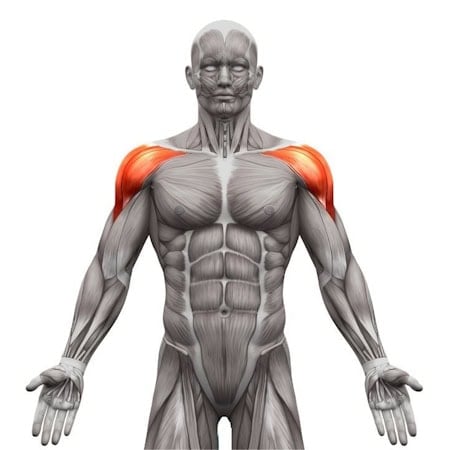
Anterior delt
Secondary Muscle(s):
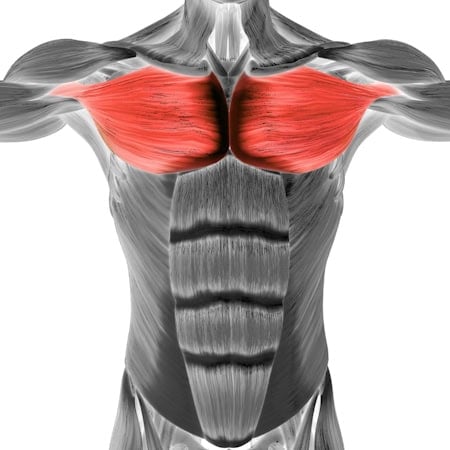
Upper chest
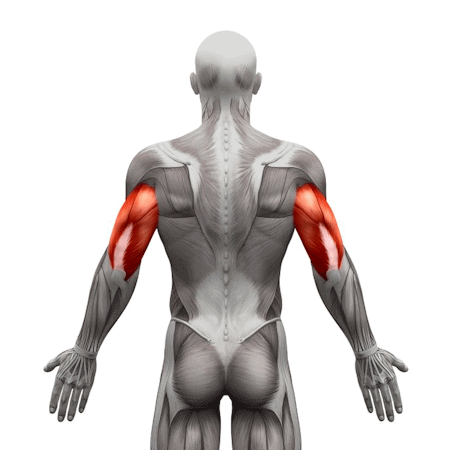
Triceps
Equipment needed for Freestanding Handstand Push-Up
No equipment needed for this exercise.
Adjust the difficulty of Freestanding Handstand Push-Up
How to make Freestanding Handstand Push-Up harder?
How to make Freestanding Handstand Push-Up easier?
How to make Freestanding Handstand Push-Up harder?
To make Freestanding Handstand Push-Up harder:
-
Perform consecutive freestanding repetitions without stepping down between them.
-
Take four to six seconds to complete each lowering phase.
-
Pause immediately above the floor without resting any bodyweight on the head.
-
Perform a dead-stop press after maintaining the bottom position under muscular control.
-
Keep the legs completely together and the toes pointed through every repetition.
-
Enter the handstand through a controlled press before performing the push-up.
-
Perform the exercise on parallettes and lower the shoulders below hand level.
-
Progress toward a controlled 90-degree handstand push-up only after mastering deep freestanding repetitions.
How to make Freestanding Handstand Push-Up easier?
To make Freestanding Handstand Push-Up easier:
-
Develop the pressing pattern with pike push-ups while keeping the hips stacked above the shoulders.
-
Elevate the feet during pike push-ups to shift progressively more bodyweight onto the arms.
-
Practise chest-to-wall handstand holds to develop overhead alignment and shoulder endurance.
-
Perform wall-assisted handstand push-ups to develop vertical pressing strength without the full balance requirement.
-
Use a padded depth target during wall-assisted repetitions and reduce its height gradually.
-
Perform slow wall-assisted negatives and exit at the bottom instead of attempting the upward press.
-
Practise partial-range freestanding handstand push-ups and increase depth only when you can regain balance at lockout.
-
Use a controlled straddle position to make freestanding balance corrections easier.
-
Ask a qualified spotter to provide minimal balance assistance while you perform the press.