
L-Sit Pull-Up (L-Hang Pull-Up)
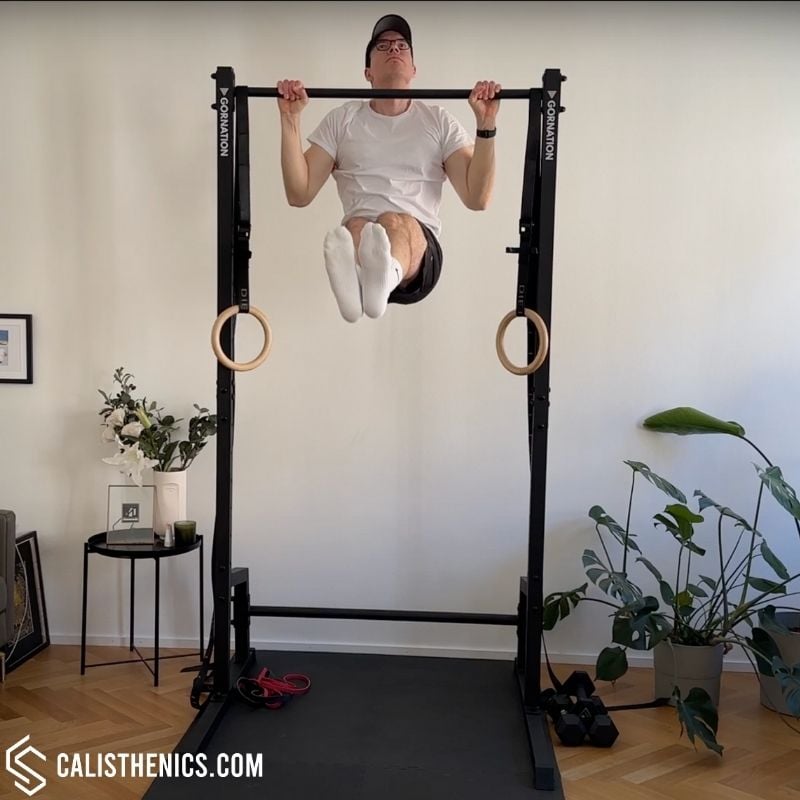
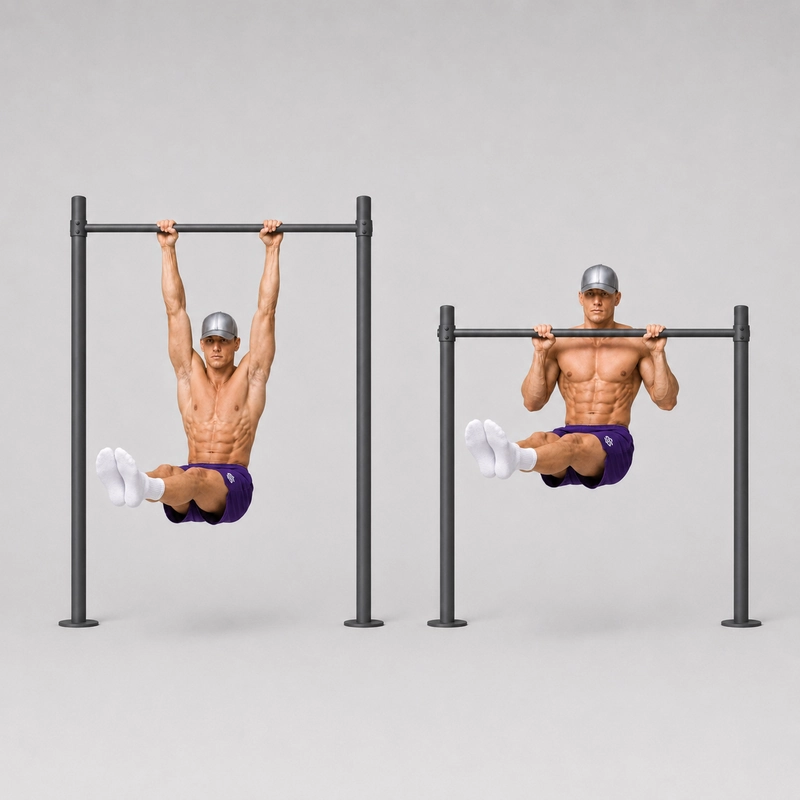
How to do L-Sit Pull-Up (L-Hang Pull-Up)?
The L-sit pull-up, also known as the L-hang pull-up, is a strict pull-up performed while both legs remain straight and horizontal in front of the body. It combines the vertical pulling strength of a strict pull-up with the isometric core and hip-flexor demand of an L-hang.
This variation trains the lats, elbow flexors, upper back and grip while the abdominals stabilize the pelvis and the hip flexors hold the legs at approximately 90 degrees. Because the legs must remain still, the movement also exposes swinging, incomplete range of motion and loss of body tension that may be less obvious during an ordinary pull-up.
The defining version uses a shoulder-width pronated grip, with the palms facing away. With an underhand grip, the exercise becomes an L-sit chin-up. Rings can also be used, but they add instability and allow the hands to rotate naturally.
Before attempting the full exercise, build controlled pull-up strength and enough compression endurance to hold an L-hang without bending the knees or swinging. If either component fails, train them separately with the pull-up progression, hanging knee raises and hanging leg raises.
Tips for the proper execution of L-Sit Pull-Up (L-Hang Pull-Up)
Establish the L position before bending your elbows so the leg raise cannot create momentum for the pull.
Think “elbows down” as you pull to keep the movement vertical and controlled.
Slightly tuck the pelvis and keep the ribs down to prevent the lower back from arching.
Contract the quadriceps and press the legs together to keep the knees locked.
Pause briefly at the bottom whenever you feel a swing developing.
Keep the head neutral and let the chin clear the bar because the body rises, not because the neck reaches.
End the set as soon as the legs drop below horizontal or the pull-up range shortens.
Muscles worked when doing L-Sit Pull-Up (L-Hang Pull-Up)
The L-sit pull-up combines a dynamic vertical pull with an isometric straight-leg hold. The pulling muscles shorten and lengthen through each repetition, while the trunk, hips and legs work continuously to preserve the L position.
Primary Muscles
- Latissimus dorsi: Produces shoulder adduction and extension as the body rises toward the bar.
- Biceps brachii, brachialis and brachioradialis: Flex the elbows and assist the pulling phase.
- Hip flexors: The iliopsoas and rectus femoris actively hold the straight legs in front of the body.
- Rectus abdominis: Helps control the pelvis and resist excessive lumbar extension while the legs remain elevated.
Secondary and Stabilizing Muscles
- Trapezius and rhomboids: Control the shoulder blades during the pull and descent.
- Posterior deltoids and teres major: Assist shoulder extension and upper-arm control.
- Forearm and hand muscles: Maintain the grip on the bar throughout the set.
- Obliques and transverse abdominis: Stabilize the trunk and resist rotation or unwanted movement.
- Quadriceps: Keep the knees extended so the legs preserve a clean straight line.
- Serratus anterior and rotator-cuff muscles: Support shoulder-blade and shoulder-joint control.
The abdominals do not lift the legs by themselves: the hip flexors create and maintain the hip-flexed position, while the abdominal wall helps stabilize the pelvis and spine.
Primary Muscle(s):
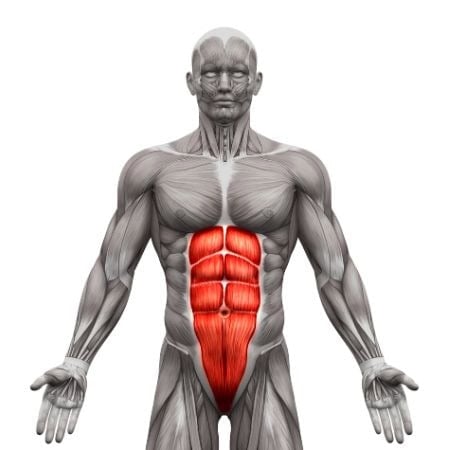
Abdominal
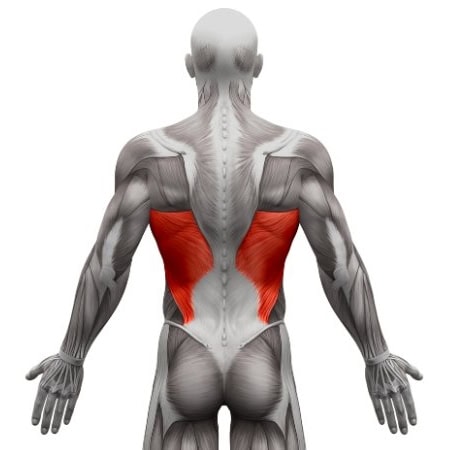
Lats
Secondary Muscle(s):
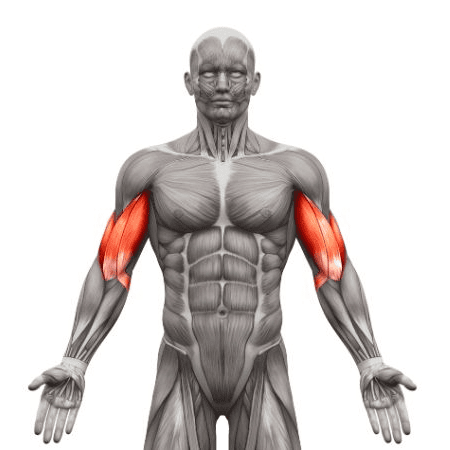
Biceps
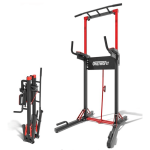
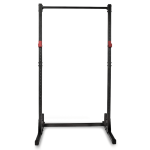
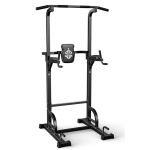
Equipment needed for L-Sit Pull-Up (L-Hang Pull-Up)
Adjust the difficulty of L-Sit Pull-Up (L-Hang Pull-Up)
The L-hang pull-up effectively bridges core and upper-body strength, acting as a critical progression exercise for advanced calisthenics movements. By systematically adjusting leg positioning, hold durations, repetitions, and resistance, athletes can continuously challenge their strength, stability, and coordination. Consistent training of this exercise provides foundational strength essential for mastering more advanced bodyweight skills like muscle-ups, front levers, advanced leg raises, and one-arm pull-up progressions.
How to make L-Sit Pull-Up (L-Hang Pull-Up) harder?
How to make L-Sit Pull-Up (L-Hang Pull-Up) easier?
How to make L-Sit Pull-Up (L-Hang Pull-Up) harder?
To make L-Sit Pull-Up (L-Hang Pull-Up) harder:
-
Increase hold duration at the top, holding for 2–3 seconds or longer to enhance muscular activation.
-
Add extra resistance with a weighted vest or ankle weights.
-
Perform archer L-hang pull-ups (pulling primarily to one side at a time) for unilateral strength.
-
Incorporate slow, controlled tempo reps, significantly increasing time under tension.
-
Transition toward more challenging variations, such as V-hang pull-ups, with legs raised higher.
How to make L-Sit Pull-Up (L-Hang Pull-Up) easier?
To make L-Sit Pull-Up (L-Hang Pull-Up) easier:
-
Perform tuck-hang pull-ups with knees bent initially, progressing toward fully extended legs as strength improves.
-
Incorporate isometric holds separately (L-hang only, or pull-up only) to build strength gradually.
-
Use a resistance band for assistance, looping around the bar and under your feet.
-
Reduce repetitions per set initially, slowly increasing as endurance and strength improve.
-
Practice negative reps (eccentric) by slowly lowering from the top position, building strength for full repetitions.