
Single-Leg Squat Off a Box
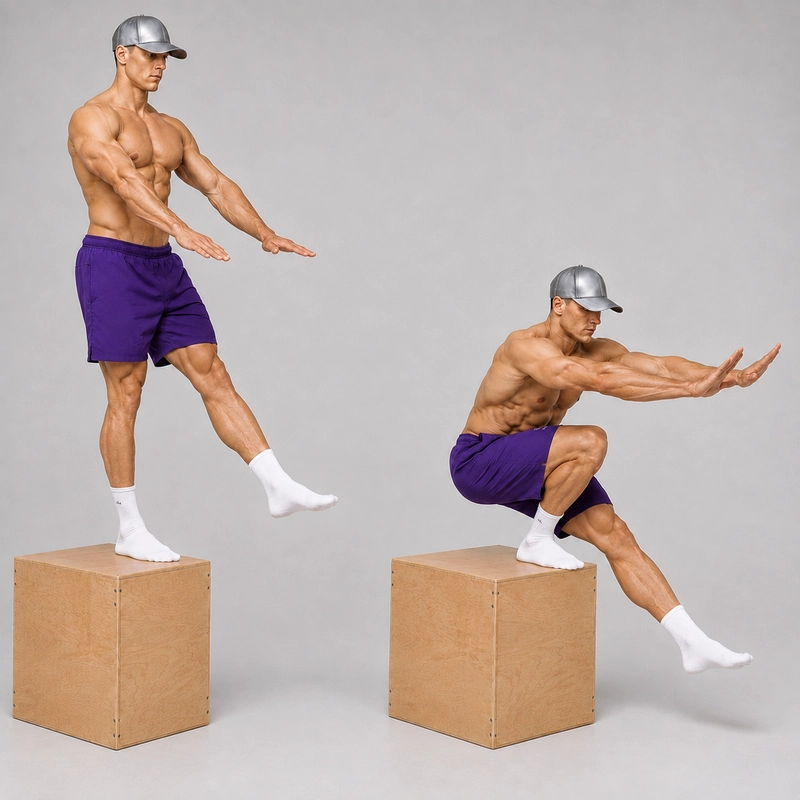
How to do Single-Leg Squat Off a Box?
The single-leg squat off a box is an elevated unilateral squat performed while standing on one leg near the edge of a stable box or platform. The non-working leg stays straight and hangs beside the box, leaving room to descend without holding that leg out in front.
The box provides clearance; it does not support your body during the repetition. Your working leg controls the full descent and returns you to standing. This makes the exercise a useful bridge between supported single-leg squat variations and a full pistol squat.
Compared with a pistol squat, allowing the free leg to hang reduces the need to hold it forward throughout the repetition. However, the working leg still carries essentially the full bodyweight demand, and a taller box can permit a deeper range. The variation may therefore be more accessible for balance or free-leg positioning without automatically being easy.
This exercise is also related to a box step-down, but the rep standard is different. During a strict single-leg squat off a box, the free foot remains off the floor and the working leg reverses the movement unaided. If the free heel touches down and helps you stand, the movement becomes a touch-down or step-down regression.
Before attempting the full version, build a controlled bilateral squat and practise unilateral control with the split squat, hand-assisted pistol squat or bench-assisted single-leg squat negative. Use a stable, non-slip platform and work only through a range you can control comfortably.
Tips for the proper execution of Single-Leg Squat Off a Box
Keep the whole working foot supported. Stand close enough to the edge for the free leg to clear the box, but keep the heel and forefoot completely on the platform.
Let the free leg hang beside the box. Keep it straight and quiet. Do not swing it forward for momentum or press it into the box.
Use a tripod foot. Maintain pressure through the heel, base of the big toe and base of the little toe throughout the rep.
Track the knee with the toes. The knee may travel forward, but it should follow the direction of the foot instead of collapsing inward.
Allow a natural torso lean. Keep the trunk braced while leaning only as much as needed to balance over the working foot.
Control the final centimetres. The bottom of the repetition is where athletes often drop or touch down. Slow the descent and reverse deliberately.
Standardize the depth. Use the same box and the same bottom position when comparing repetitions or tracking progress.
Own the top position. Finish with the working hip and knee extended and pause briefly before starting the next rep.
Muscles worked when doing Single-Leg Squat Off a Box
The single-leg squat off a box primarily trains the knee and hip extensors of the working leg. Because the exercise is performed on one leg, the muscles around the hip, ankle and trunk also work to control the position of the pelvis and keep the body balanced over the foot.
Primary Muscles
- Quadriceps: The quadriceps control knee flexion during the descent and extend the knee as you rise. Their role as the main knee extensors is described in the NCBI overview of the quadriceps.
- Gluteus maximus: The gluteus maximus helps control the flexing hip during the descent and extends the hip on the way up. It also contributes to control when standing on one leg, as outlined in the NCBI anatomy review of the gluteus maximus.
Secondary and Stabilizing Muscles
- Gluteus medius and minimus: Help keep the pelvis controlled and the thigh aligned during the single-leg stance.
- Hamstrings and adductors: Assist with hip extension and help stabilize the working hip and knee.
- Calves: Control the ankle as the shin moves forward and help stabilize the planted foot.
- Abdominals, obliques and spinal stabilizers: Resist unwanted trunk rotation and help keep the body organized over the working leg.
- Quadriceps and hip muscles of the free leg: Work isometrically to keep the hanging leg straight and clear of the floor.
How the Box Changes the Exercise
The elevated surface gives the free leg space to travel downward, so it does not need to remain in the forward position used during a pistol squat. A taller box can also permit more squat depth. It does not remove load from the working leg unless the athlete touches the free foot down, holds a support or shortens the range.
Primary Muscle(s):
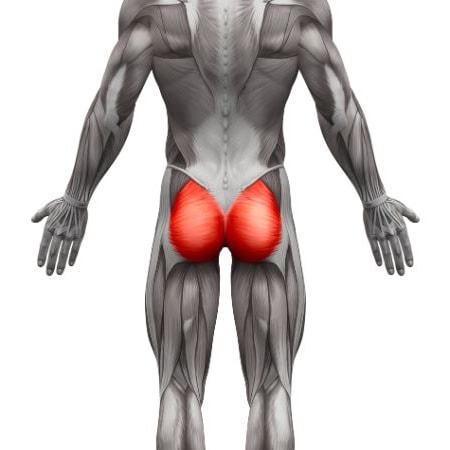
Glutes
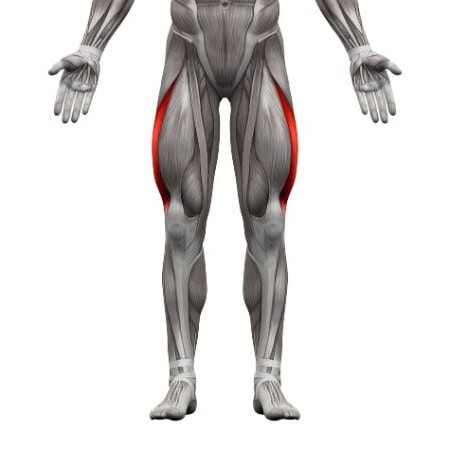
Quads
Secondary Muscle(s):
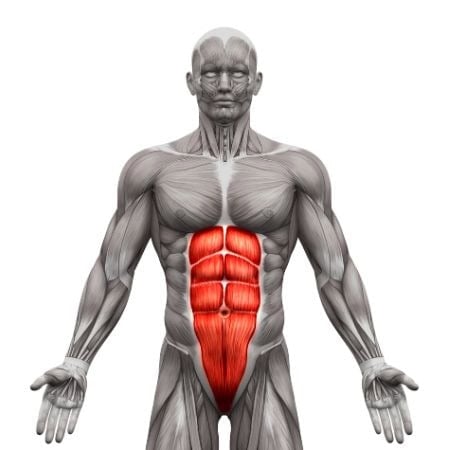
Abdominal
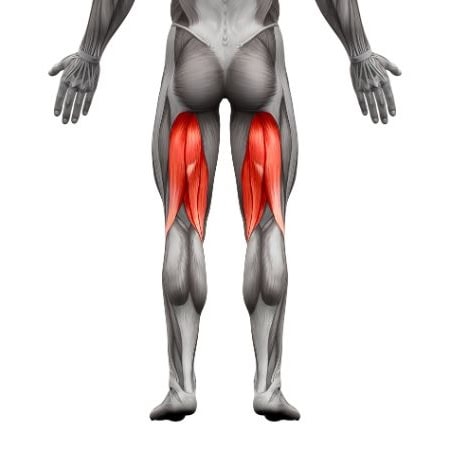
Hamstring
Equipment needed for Single-Leg Squat Off a Box
Adjust the difficulty of Single-Leg Squat Off a Box
The single-leg squat off a box can be scaled through range of motion, assistance, tempo and external load. Shorten the range or add light hand support first. Increase depth only when the working foot stays planted, the free leg remains clear and you can stand without bouncing or pushing from the floor.
How to make Single-Leg Squat Off a Box harder?
How to make Single-Leg Squat Off a Box easier?
How to make Single-Leg Squat Off a Box harder?
To make Single-Leg Squat Off a Box harder:
-
Increase the range of motion. Descend deeper while preserving the same foot, knee and pelvis control. A taller box can provide additional clearance for the free leg.
-
Slow the eccentric phase. Take three to five seconds to reach the bottom position without relaxing.
-
Pause at the bottom. Hold the deepest controlled position for two to three seconds before standing.
-
Reduce the arm counterbalance. Cross the arms over the chest or keep the hands closer to the body.
-
Add external resistance. Use a weighted vest or hold a light weight at the chest only after the bodyweight version is consistent and you can step onto the box safely.
-
Progress to a pistol squat. Perform the squat on the floor while holding the free leg straight in front and completing the same controlled descent and ascent.
How to make Single-Leg Squat Off a Box easier?
To make Single-Leg Squat Off a Box easier:
-
Use a partial range of motion. Lower only as far as you can maintain full-foot pressure and return smoothly.
-
Use a lower platform or raised touch target. Limit the available depth and lightly touch the free heel to a raised target without transferring meaningful weight.
-
Hold a stable support. Use one hand on a securely anchored upright and apply only as much assistance as needed.
-
Perform a touch-down repetition. Let the free heel touch the floor gently at the bottom, then keep as much weight as possible on the working leg during the ascent.
-
Train the lowering phase only. Descend on one leg, place the free foot down and use both legs to reset at the top.