
Chin-Up
How to do Chin-Up?
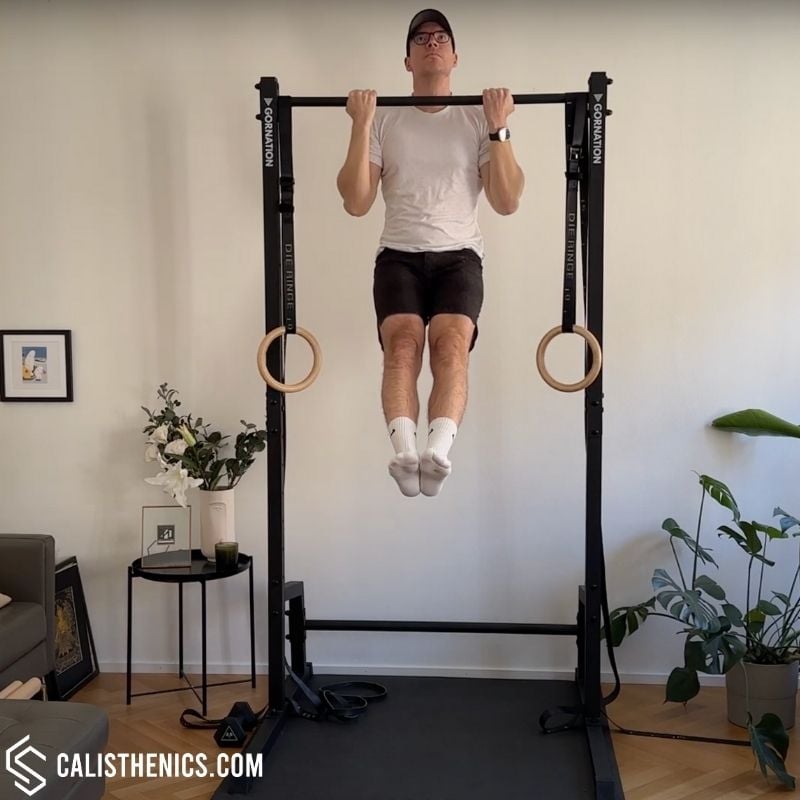
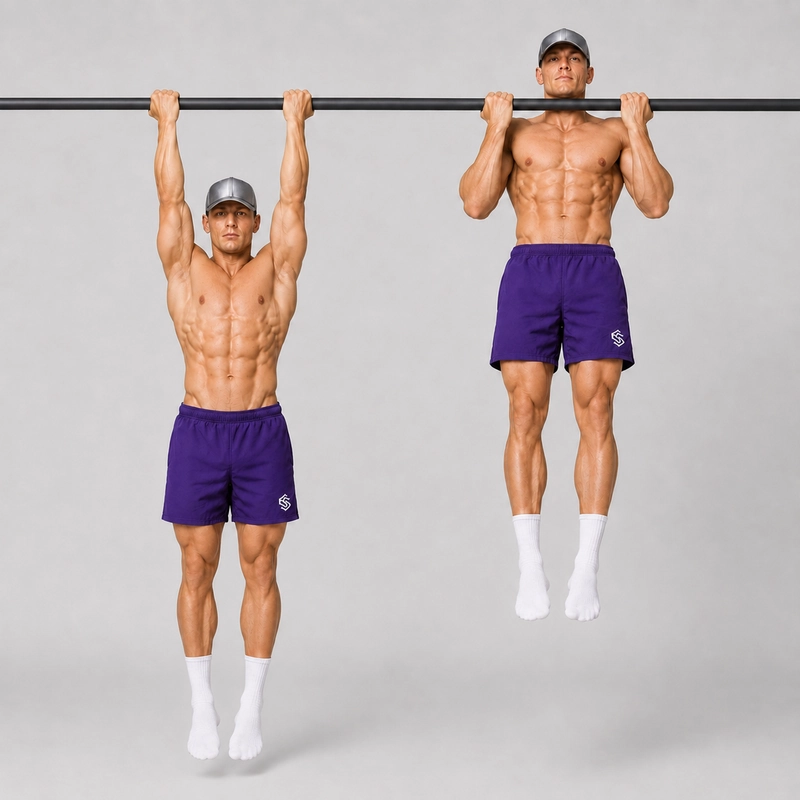
The chin-up is a compound bodyweight exercise performed on a pull-up bar with a supinated or underhand grip, meaning the palms face toward you. Starting from a straight-arm hang, you pull your body upward until your chin passes above the bar and then lower under control.
Chin-ups primarily strengthen the latissimus dorsi, biceps, brachialis and upper-back muscles while also challenging the forearms, grip and trunk stabilizers. The movement trains shoulder extension, elbow flexion and control of the shoulder blades through a vertical pulling pattern.
The grip distinguishes a chin-up from a strict pull-up. A chin-up uses an underhand grip with the palms facing you, while a pull-up uses an overhand grip with the palms facing away. Both exercises train the back and arms, but their grip positions alter how the contributing muscles share the work.
In one electromyography study comparing chin-ups and pull-ups, the chin-up produced higher biceps brachii and pectoralis major activation, while the pull-up produced higher lower-trapezius activation. Another study of different pull-up grips found that overall shoulder, arm and forearm activation was broadly similar across complete repetitions. These findings suggest that grip changes muscular emphasis rather than turning the chin-up into an arms-only exercise.
To perform the exercise safely, use a stable pull-up bar with enough clearance for straight arms at the bottom and the head above the bar at the top. If you cannot yet complete an unassisted repetition, use the band chin-up, negative repetitions and controlled isometric holds to build strength.
A fixed underhand grip can be uncomfortable for some wrists or elbows. Begin near shoulder width, avoid forcing an excessively narrow grip and stop if you experience sharp pain, numbness or joint instability. The independently moving handles used for a ring chin-up provide an alternative if a fixed bar position is consistently uncomfortable.
Tips for the proper execution of Chin-Up
Use a shoulder-width underhand grip with your thumbs wrapped securely around the bar.
Begin every repetition from fully extended elbows and a controlled hang.
Brace your abdominals and glutes before initiating the pull.
Drive your elbows downward instead of thinking only about pulling with your hands.
Keep your legs together and slightly in front of the body to reduce swinging.
Bring your chin clearly above the bar without reaching excessively with your neck.
Lower under control until your elbows are completely straight.
Pause briefly at the bottom if you need to eliminate momentum before the next repetition.
Use chalk if perspiration makes it difficult to maintain a secure grip.
End the set when you can no longer preserve the full range of motion.
Muscles worked when doing Chin-Up
The chin-up is a compound vertical pulling exercise involving movement at the shoulder blades, shoulders and elbows. The lats and elbow flexors produce most of the upward movement, while the upper back, shoulders, forearms and trunk stabilize the body.
Primary Muscles
- Latissimus dorsi: The lats extend and adduct the upper arms as the body is pulled toward the bar.
- Biceps brachii: The biceps flex the elbows and contribute strongly because the forearms are held in a supinated position.
- Brachialis: The brachialis is a powerful elbow flexor that assists throughout the pulling and lowering phases.
- Brachioradialis: The brachioradialis assists elbow flexion and helps control the forearms.
Secondary and Stabilizing Muscles
- Rhomboids: The rhomboids help control and retract the shoulder blades during the pull.
- Trapezius: Different regions of the trapezius coordinate shoulder-blade positioning throughout the repetition.
- Teres major: The teres major assists the lats in moving the upper arms downward and backward.
- Posterior deltoids: The rear shoulders assist shoulder extension and stabilize the upper arms.
- Pectoralis major: The chest assists movement of the upper arms, particularly with the underhand grip.
- Rotator-cuff muscles: These muscles stabilize the shoulder joints as the arms move under load.
- Forearm and hand muscles: The grip muscles hold the bar and stabilize the wrists throughout the set.
- Rectus abdominis, transverse abdominis and obliques: The trunk muscles limit swinging and maintain controlled body alignment.
- Spinal stabilizers and glutes: These muscles co-contract with the abdominals to stabilize the torso and pelvis.
Although the underhand grip allows strong biceps involvement, the chin-up remains a compound vertical pulling exercise in which the lats and upper-back muscles make a major contribution.
Primary Muscle(s):
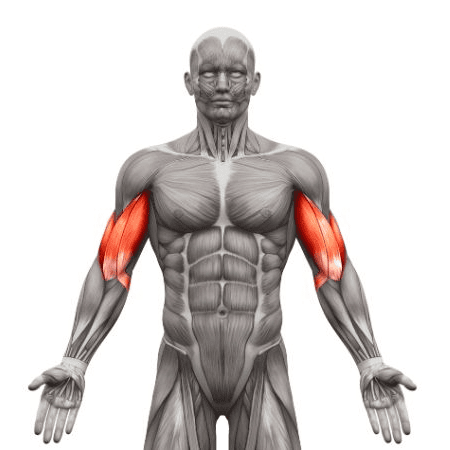
Biceps
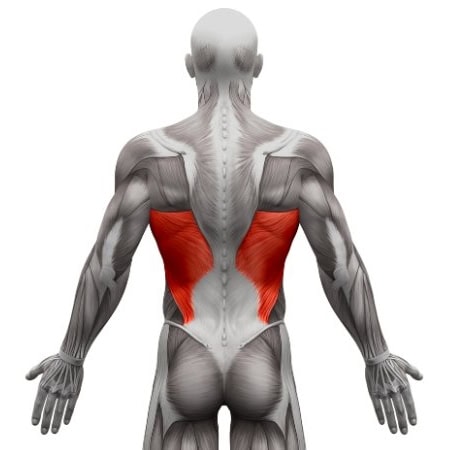
Lats
Secondary Muscle(s):
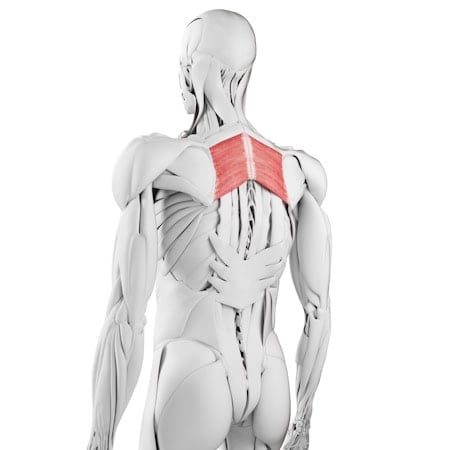
Rhomboid
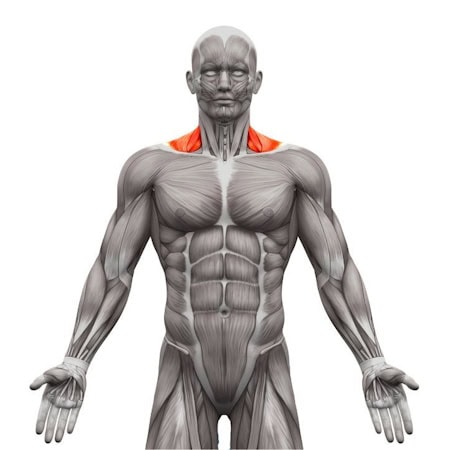
Trapezius
Equipment needed for Chin-Up
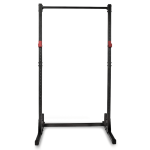
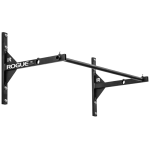
Adjust the difficulty of Chin-Up
The chin-up is a highly versatile exercise, suitable for all fitness levels. Beginners can start with assisted variations, focusing on negatives or resistance bands to build strength. As strength improves, athletes can transition to strict bodyweight reps, then progress to weighted chin-ups or advanced variations like archer or one-arm chin-ups. By adjusting grip, tempo, and resistance, the chin-up remains an effective tool for progressive strength development.
How to make Chin-Up harder?
How to make Chin-Up easier?
How to make Chin-Up harder?
To make Chin-Up harder:
-
Add a weighted vest or dip belt to increase resistance.
-
Perform slow negatives, lowering over 5-10 seconds per rep.
-
Increase repetition volume to enhance endurance.
-
Incorporate pause reps, holding at the top for 2-3 seconds before lowering.
-
Perform explosive chin-ups, pulling yourself higher until your chest reaches the bar.
-
Try one-arm chin-up progressions, reducing assistance from one arm over time.
How to make Chin-Up easier?
To make Chin-Up easier:
-
Use a resistance band looped around the bar and your foot for assistance.
-
Perform negative chin-ups, focusing on the eccentric (lowering) phase.
-
Use an assisted pull-up machine to gradually reduce assistance.
-
Start with scapular pull-ups to strengthen the shoulders before progressing to full reps.
-
Reduce range of motion slightly before progressing to full repetitions.