
Reverse Nordic Curl
How to do Reverse Nordic Curl?
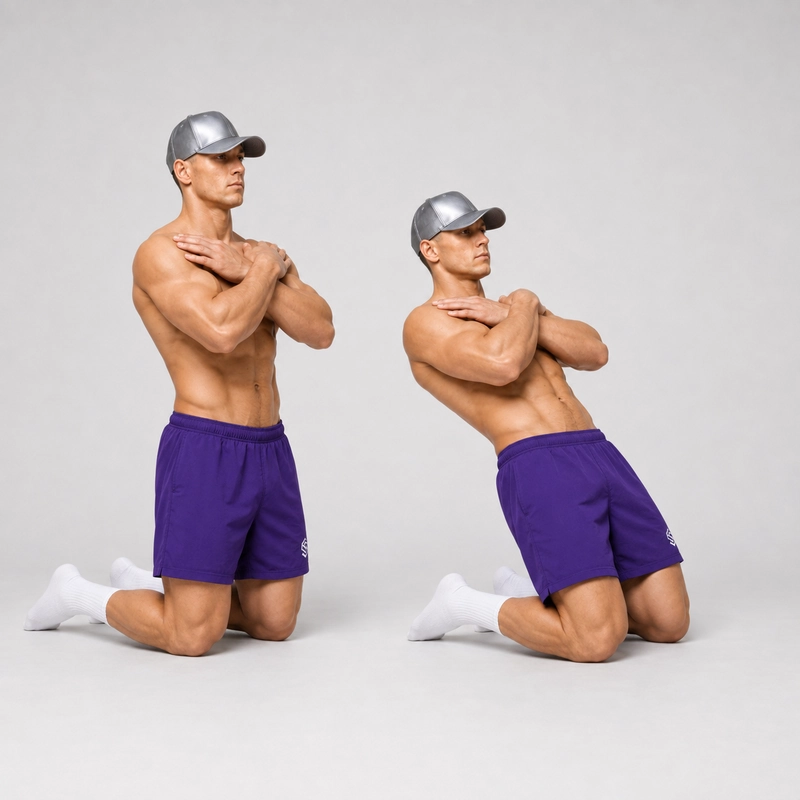
The reverse Nordic curl, also called a kneeling quad extension, is a bodyweight quadriceps exercise performed from a kneeling position. Keeping your shoulders, hips and knees aligned, you lean backward by bending the knees and then use your quadriceps to return your body to the upright position.
During the descent, the quadriceps work eccentrically to control the increasing knee-flexion angle. During the return, they contract concentrically to extend the knees and bring the body upright. Because the hips remain extended, the movement trains the rectus femoris in a longer position than many seated knee-extension exercises.
Despite the similar name and starting position, the reverse Nordic curl is not a variation of the conventional Nordic hamstring curl. A Nordic hamstring curl involves leaning forward with the ankles secured and primarily trains the hamstrings. The reverse Nordic involves leaning backward without anchoring the ankles and primarily trains the quadriceps.
The reverse Nordic is also related to the sissy squat, since both exercises keep the hips extended while the knees bend. However, the reverse Nordic begins on the knees and removes the balance and ankle demands of the standing sissy squat.
An eight-week training study found changes in rectus-femoris muscle architecture following reverse Nordic training, including increases in muscle thickness and cross-sectional area. However, this was a small study and should not be interpreted as proof that reverse Nordics prevent quadriceps injuries. See the published reverse Nordic training study.
More recent research found that reverse Nordic curls did not produce greater eccentric quadriceps activation than every bodyweight squat-based alternative. They are best viewed as a useful equipment-free accessory exercise rather than a universally superior replacement for squats, split squats or other leg training.
The exercise requires comfortable kneeling, substantial knee flexion and enough quadriceps strength to control the backward lean. Begin with a short range and use thick knee padding. Stop if you experience sharp knee pain, instability or an uncomfortable pulling sensation that does not improve when the range is reduced.
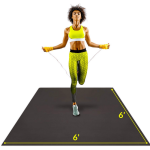
- Prepare a padded surface: Place a folded exercise mat, cushion or other firm padding beneath both knees.
- Establish your kneeling position: Kneel with your knees approximately hip-width apart and pointing forward.
- Choose a foot position: Rest the tops of your feet on the floor or tuck your toes underneath, depending on which position is more comfortable for your feet and ankles.
- Extend your hips: Squeeze your glutes and bring your torso upright so your shoulders, hips and knees form a straight line.
- Brace your trunk: Tighten your abdominals and keep your ribs positioned over your pelvis without arching your lower back.
- Choose an arm position: Extend your arms in front of you for an easier counterbalance or keep them beside your body for the standard version.
- Begin the descent: Bend your knees and allow your entire body to lean backward as one rigid segment.
- Maintain your alignment: Keep your hips extended instead of sitting your buttocks toward your heels or folding at the waist.
- Reach your controlled depth: Descend only as far as you can maintain the straight line from your knees through your hips to your shoulders.
- Return to kneeling: Contract your quadriceps and extend your knees to bring the rigid body segment back toward vertical.
- Finish under control: Regain a stable upright position before beginning the next repetition.
Common Mistakes to Avoid
- Sitting the hips toward the heels: Maintain hip extension so the movement occurs primarily through the knees rather than becoming a kneeling squat.
- Arching the lower back: Keep your abdominals and glutes engaged instead of lifting the ribs and extending the lumbar spine.
- Dropping suddenly into the bottom: Reduce the range if your quadriceps cannot control the entire descent.
- Forcing maximum depth: A deeper repetition is not better if you lose alignment, experience pain or cannot return without momentum.
- Bending forward during the ascent: Keep the shoulders, hips and knees aligned instead of throwing the chest forward to escape the difficult position.
- Using the arms for momentum: Choose a consistent arm position and avoid swinging the arms to generate the return.
- Allowing the knees to spread apart: Keep both thighs approximately parallel and the knees tracking in the same general direction.
- Using inadequate knee padding: Place sufficient cushioning beneath the knees so pressure from the floor does not limit the exercise.
- Forcing an uncomfortable foot position: Use either tucked toes or relaxed ankles according to your individual comfort and mobility.
- Adding weight too early: First develop a controlled bodyweight range before holding a weight or placing the arms overhead.
- Progressing volume too quickly: Introduce the exercise gradually because unfamiliar eccentric quadriceps work can produce substantial muscle soreness.
Benefits of the Reverse Nordic Curl
- Strengthens the quadriceps: The quadriceps control the backward descent and extend the knees during the return.
- Emphasizes the rectus femoris: Keeping the hips extended allows this two-joint quadriceps muscle to work at a relatively long muscle length.
- Develops eccentric control: The lowering phase requires the quadriceps to resist an increasing external knee-flexion moment.
- Requires no training equipment: The standard exercise needs only enough floor space and suitable knee padding.
- Provides adjustable bodyweight resistance: Range of motion, arm position, tempo and external assistance can all change the difficulty.
- Trains full-body alignment: The glutes, abdominals and spinal stabilizers must maintain the rigid shoulder-to-knee position.
- Complements squat-based training: It provides a knee-extension-focused accessory alongside compound exercises such as bodyweight squats and split squats.
- Removes the balance requirement of sissy squats: Kneeling creates a stable base from which to train a similar backward-leaning pattern.
Frequently Asked Questions
Is the reverse Nordic curl the same as a kneeling quad extension?
Yes. “Kneeling quad extension” is a descriptive alternative name for the reverse Nordic curl. Both names refer to leaning backward from the knees while keeping the hips extended and using the quadriceps to return upright.
What is the difference between a Nordic curl and a reverse Nordic curl?
A Nordic hamstring curl involves leaning forward with the ankles secured and using the hamstrings to resist knee extension. A reverse Nordic curl involves leaning backward without securing the ankles and using the quadriceps to control knee flexion and extend the knees.
Do my feet need to be anchored?
No. Unlike the Nordic hamstring curl, the reverse Nordic does not require the ankles to be anchored. Your shins and feet remain in contact with the floor while your knees act as the main pivot point.
Should I keep my toes tucked or point my feet?
Either position can work. Tucking the toes requires comfortable extension at the toes, while resting the tops of the feet on the floor requires comfortable ankle plantar flexion. Choose the position that allows you to concentrate on the knees and quadriceps without foot or ankle discomfort.
Are reverse Nordic curls bad for the knees?
The exercise creates meaningful demand around deeply flexed knees, but this does not make it inherently harmful. The appropriate range and training load depend on your current strength, mobility and tolerance. Start with partial repetitions and stop if you experience sharp pain, swelling or instability.
How far should I lean backward?
Lean only as far as you can maintain a straight line from the knees through the hips to the shoulders and return without momentum. A short but controlled range is preferable to a deep repetition with bent hips or an uncontrolled descent.
Where should I feel the exercise?
You should primarily feel tension through the front of your thighs. A strong stretch-like sensation in the quadriceps may occur as you lean backward, but sharp discomfort inside or around the knee is a reason to reduce the range or stop.
Are reverse Nordics better than squats for the quadriceps?
No exercise is universally better. A 2024 study found that reverse Nordic curls produced similar eccentric rectus-femoris and vastus-medialis activity to several squat-based exercises, but lower vastus-lateralis activity than the single-leg squat. See the quadriceps activation study. Reverse Nordics are therefore best used as an accessory rather than a complete replacement for squat patterns.
Can reverse Nordic curls build muscle?
They can provide a progressive quadriceps-strengthening stimulus when range, volume and resistance are increased over time. A small eight-week study reported increases in several measurements of rectus-femoris architecture, although individual results and the response to different programs will vary.
How many reverse Nordic curls should I perform?
Begin conservatively with two or three sets of approximately five to eight controlled repetitions. Increase the range before adding substantial repetitions or external resistance, and leave enough recovery time if the exercise produces unfamiliar quadriceps soreness.
Is the reverse Nordic curl a flexibility exercise?
It requires and exposes the quadriceps to a lengthened position, but it is primarily a strength exercise. Use an easier range if limited quadriceps flexibility prevents you from maintaining hip extension.
What exercise should I learn next?
Increase the reverse Nordic’s range, tempo or resistance before progressing to arms-overhead or weighted repetitions. The sissy squat provides a related standing challenge with greater balance and ankle demands.
Tips for the proper execution of Reverse Nordic Curl
Use thick, stable padding beneath both knees.
Position your knees approximately hip-width apart and keep both thighs parallel.
Choose either tucked toes or relaxed ankles according to which position feels more comfortable.
Squeeze your glutes to maintain hip extension throughout the exercise.
Keep your ribs stacked over your pelvis instead of arching your lower back.
Maintain a straight line from your knees through your hips to your shoulders.
Lean backward by bending your knees rather than sitting your hips toward your heels.
Lower only through the range that your quadriceps can control.
Return by extending your knees without throwing your chest forward.
Use your arms in front of you as a counterbalance when learning the movement.
Increase the range gradually before adding external weight.
Stop the set when your hips begin to bend or the descent becomes uncontrolled.
Muscles worked when doing Reverse Nordic Curl
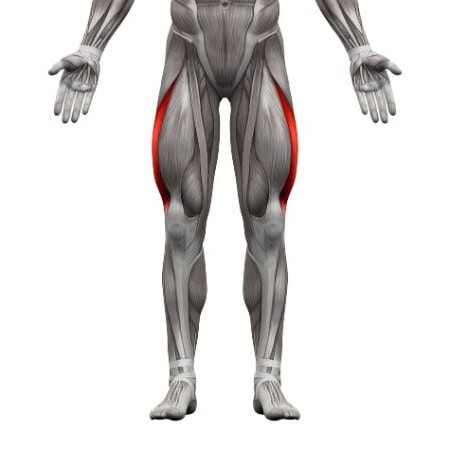
The reverse Nordic curl primarily trains the four muscles of the quadriceps femoris. The glutes and trunk muscles work isometrically to keep the hips extended and maintain a rigid body position.
Primary Muscles
- Rectus femoris: The rectus femoris crosses both the knee and hip. It controls knee flexion during the backward descent and extends the knee during the return while remaining lengthened across the extended hip.
- Vastus lateralis: The outer quadriceps contributes to controlling the descent and producing knee extension during the ascent.
- Vastus medialis: The inner quadriceps contributes to knee extension and helps control the position of the patella as the knee bends and straightens.
- Vastus intermedius: This deeper quadriceps muscle lies beneath the rectus femoris and assists knee extension throughout the repetition.
A reverse Nordic training study reported changes in rectus-femoris thickness, cross-sectional area, pennation angle and fascicle length after eight weeks of eccentric training. These findings support the exercise’s ability to train the quadriceps but do not establish that it is superior to all other quadriceps exercises. See the original rectus-femoris study.
Secondary and Stabilizing Muscles
- Gluteus maximus: The glutes contract isometrically to keep the hips extended and prevent the body from folding backward at the waist.
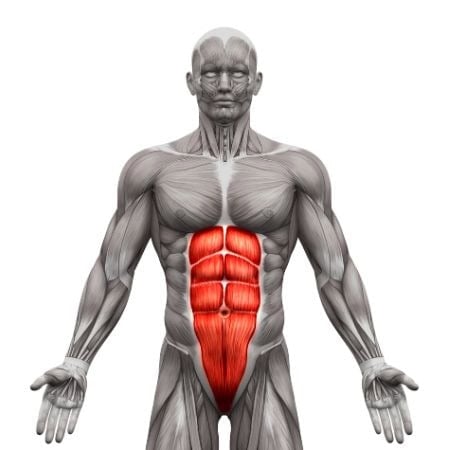
- Rectus abdominis and obliques: The abdominal muscles resist lower-back extension and help keep the ribs positioned over the pelvis.
- Spinal stabilizers: The muscles surrounding the spine maintain a controlled torso position while the body leans backward.
- Hip adductors and abductors: These muscles help keep the thighs parallel and prevent the knees from spreading apart or collapsing inward.
- Foot and ankle muscles: These muscles provide minor positional support depending on whether the toes are tucked or the tops of the feet rest on the floor.
The reverse Nordic curl is more knee-extension dominant than the split squat, which combines knee and hip extension. The sissy squat uses a related hips-extended pattern but adds balance, ankle movement and a standing base of support.
Primary Muscle(s):
Quads
Secondary Muscle(s):
Abdominal
Equipment needed for Reverse Nordic Curl
Adjust the difficulty of Reverse Nordic Curl
How to make Reverse Nordic Curl harder?
How to make Reverse Nordic Curl easier?
How to make Reverse Nordic Curl harder?
To make Reverse Nordic Curl harder:
-
Gradually increase the backward range while maintaining the straight shoulder-to-knee body line.
-
Take four to six seconds to complete the lowering phase of each repetition.
-
Pause for two or three seconds at your deepest controlled position.
-
Move your arms from in front of your body to your sides, then behind your head or overhead.
-
Perform one-and-a-half repetitions by rising halfway from the bottom, lowering again and then returning fully upright.
-
Hold a light weight plate or dumbbell against your chest while maintaining the same technique.
-
Wear a weighted vest to increase resistance without changing your arm position.
-
Perform full-range repetitions only when you can control both the lowering and raising phases without bending at the hips.
How to make Reverse Nordic Curl easier?
To make Reverse Nordic Curl easier:
-
Lean backward through a short partial range and increase the depth gradually.
-
Extend your arms forward to move your center of mass closer to your knees.
-
Hold a stable support or suspension strap in front of you and use light arm assistance.
-
Place a padded box or stacked cushions behind you as a consistent depth target.
-
Allow a small amount of hip flexion to reduce the lever before progressing toward a fully extended hip position.
-
Perform only the controlled lowering phase, catch yourself with your hands and use your arms to return to kneeling.
-
Use an assistance band secured behind or above you to support part of your body weight during the backward lean.
-
Build general quadriceps strength with bodyweight squats and split squats before returning to the reverse Nordic.