
Human Flag Pull-Up
How to do Human Flag Pull-Up?
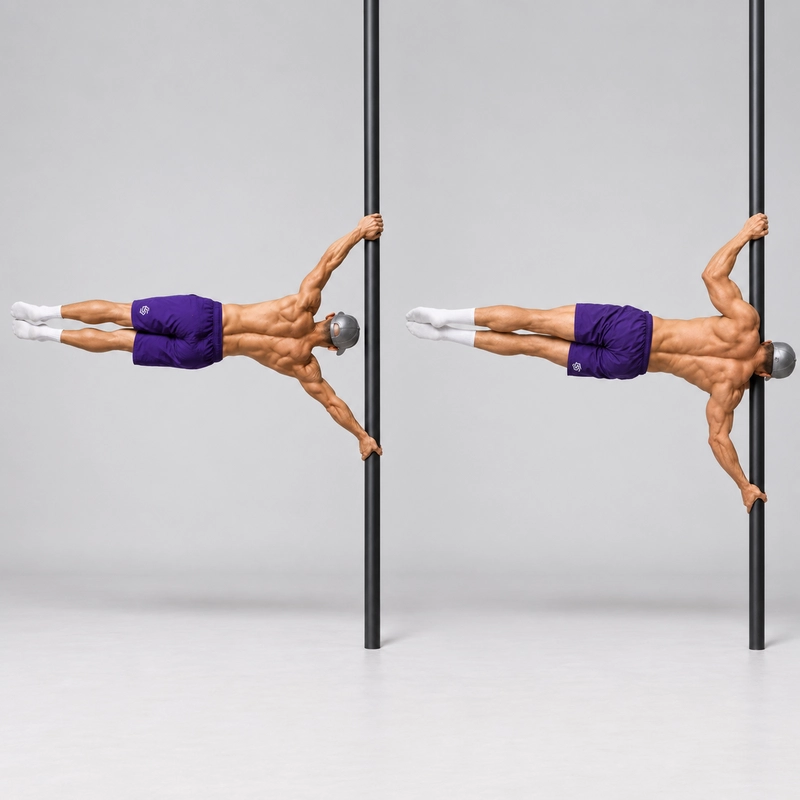
The Human Flag Pull-Up is an elite dynamic variation of the Human Flag. Starting from a straight-arm horizontal flag, you bend both elbows to bring your head and upper body closer to the line of your hands, then re-extend the arms and return to the original flag position without allowing your body to rise, fall, twist or fold.
The inward phase is driven predominantly by the top arm’s pulling action, while the return is driven predominantly by the bottom arm’s pressing action. Both arms remain active in both directions, and the obliques, abdominals, glutes and legs must keep the body rigid while the upper-body support position changes.
This exercise is also called a Human Flag Push-Up because the outward phase resembles a horizontal pressing movement. The two names describe the same exercise and should not receive separate canonical pages. It should not be confused with a Human Flag Raise, in which the body moves between different angles while the elbows remain mostly straight.
The Human Flag Pull-Up comes after the full Human Flag in the progression hierarchy. A static flag does not automatically provide the dynamic bent-arm strength and coordination required for this variation, so most athletes should begin with straddle, band-assisted or partial-range pull-ups before attempting full repetitions with the legs together.
How to Do the Human Flag Pull-Up
Prerequisites
You should already be able to enter, hold and exit a full Human Flag without uncontrolled kicking or shoulder collapse. A practical readiness benchmark is a repeatable five-to-ten-second horizontal hold on the side you intend to train, although hold time alone does not guarantee that you are ready for the dynamic movement.
You should also be able to keep both shoulders active, maintain a straight body line and perform small assisted elbow bends without losing the horizontal position. If the full flag is not yet consistent, continue working through the Vertical Human Flag, Tuck Human Flag, One-Leg Human Flag and Straddle Human Flag.
The Human Flag Support Press can help develop the underlying push-pull coordination, but it does not replace practising the horizontal flag position.
Equipment and Setup
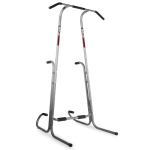
Use securely anchored stall bars, a rigid vertical pole or a purpose-built flag station that provides two reliable hand positions on the same vertical line. A normal horizontal pull-up bar without a lower gripping point is not sufficient.
Inspect the structure before every session and do not use equipment that rotates, flexes, moves under sideways pressure or has a wet or slippery surface. Place a suitable mat below you and clear enough space that your head, torso and legs cannot strike nearby equipment.
Position the top hand above the head and the bottom hand below it, using a secure grip that allows both wrists to remain comfortable. Stall bars commonly allow a pronated top-hand grip and a supinated bottom-hand grip, but the safest orientation can vary with the apparatus and the athlete’s mobility.
Use enough distance between the hands for your head to approach the vertical line connecting them without hitting the pole or bars. An excessively narrow grip increases the strength and mobility demands and should not be used to manufacture additional range of motion.
Prepare the shoulders, elbows, wrists, grip and trunk with a controlled joint warm-up routine, followed by several easier flag holds or assisted repetitions that remain well below fatigue.
Step-by-Step Instructions
- Choose your training side and decide which arm will be the top pulling arm and which arm will be the bottom pressing arm.
- Place both hands securely on the structure with the hands, wrists and elbows arranged along the same vertical plane.
- Enter a full Human Flag using a controlled kick-up, lowering entry or press that you can reproduce safely.
- Straighten both elbows and align the shoulders, hips, knees and ankles approximately parallel to the floor.
- Squeeze the glutes, quadriceps and inner thighs while bracing the abdominals and obliques so the body behaves as one rigid lever.
- Begin the repetition by pulling strongly through the top arm and bending both elbows while keeping the bottom shoulder active.
- Allow the bottom elbow to bend under control as the head and upper torso move toward the vertical line connecting the hands.
- Keep the shoulders, hips and feet at approximately the same height instead of lifting or lowering the legs to create momentum.
- Stop the inward phase when your head reaches approximately the line of your hands or when further movement would cause contact, rotation or loss of alignment.
- Reverse the movement by pressing strongly through the bottom arm while the top arm continues to support and control your body.
- Extend both elbows until you have returned to the original straight-arm horizontal Human Flag.
- Stabilize the completed position before starting another repetition or lowering your feet to a secure surface.
- Repeat the exercise with the arm positions reversed so both sides practise the pulling and pressing roles.
Completion Standard
A repetition begins and ends in a recognizable full Human Flag with both elbows extended and the body approximately horizontal. Both elbows must visibly bend as the head and upper torso move toward the hand line, followed by complete re-extension into the original position.
- The hands remain fixed and vertically aligned throughout the repetition.
- The shoulders, hips, knees and ankles remain in one straight line.
- The body remains approximately horizontal instead of turning the exercise into a Human Flag Raise.
- The chest and pelvis remain facing sideways rather than rotating toward the floor or ceiling.
- The torso, hips and legs do not rest against the structure.
- The athlete does not kick, swing, bounce or slide the hands to create the movement.
- The elbows return to full extension before the next repetition begins.
A small amount of horizontal drift can occur because of the athlete’s proportions and the equipment, but deliberate upward or downward movement should not be used to complete the repetition. Touching the chest to the pole is not required and can encourage an uncontrolled collision.
Breathing
Take a controlled breath and brace before entering the flag, then release a small amount of air through the most demanding part of the repetition without relaxing the trunk. Reset your breath while stable at the straight-arm position rather than holding it through several grinding repetitions.
Common Human Flag Pull-Up Mistakes
- Attempting the exercise before owning a stable full Human Flag causes the body position to fail before the arms can produce a controlled repetition.
- Raising or lowering the feet turns the movement into a partial Human Flag Raise instead of an elbow-driven pull-up.
- Pulling only with the top arm allows the bottom shoulder and elbow to collapse instead of contributing to the movement.
- Allowing the hips to sag increases rotation and breaks the straight line between the shoulders and feet.
- Turning the chest toward the ceiling or floor changes the shoulder positions and hides a lack of flag-specific control.
- Using a kick or leg swing reduces the amount of dynamic pulling and pressing strength required.
- Stopping short of elbow extension removes the defined starting position and makes successive repetitions difficult to compare.
- Pulling until the body strikes the pole replaces a controlled endpoint with equipment contact.
- Using a narrow or uncomfortable grip can place unnecessary stress on the wrists, elbows and shoulders.
- Continuing after the horizontal position has been lost turns productive practice into fatigued, inconsistent repetitions.
- Training only the preferred side reinforces the movement’s natural side-to-side asymmetry.
Benefits of the Human Flag Pull-Up
- It develops dynamic top-arm pulling strength beyond the isometric demand of a standard Human Flag.
- It strengthens the bottom arm’s pressing action as the elbows return to the straight-arm position.
- It challenges the trunk to remain rigid while the upper-body support geometry changes.
- It develops eccentric control during the transition between the bent-arm and straight-arm positions.
- It improves coordination between two arms performing different but simultaneous actions.
- It provides a measurable post-Human Flag strength goal through range of motion, tempo and repetitions.
- It can reveal differences between the two training sides that are less obvious during short static holds.
Programming the Human Flag Pull-Up
Practise the exercise near the beginning of a session after the warm-up and several easier flag-specific preparation sets. High-quality repetitions require substantial coordination, so they should be completed before the shoulders, elbows and grip are heavily fatigued.
- Perform three to five sets of one to three full repetitions per side when training the unassisted legs-together variation.
- Perform three to four sets of three to five repetitions when using a band, straddle position or another manageable regression.
- Rest for approximately three to five minutes between demanding full repetitions or sets.
- Begin with one or two focused sessions per week and add frequency only when the joints and muscles recover fully between sessions.
- Stop each set before technical failure rather than grinding until the hips, shoulders or body angle collapse.
- Train the weaker side first and limit the stronger side to the same number of technically clean repetitions.
- Progress one variable at a time by reducing assistance, increasing range, slowing the tempo or adding a repetition.
Safety Considerations
The Human Flag Pull-Up places high asymmetric loads on the shoulders, elbows, wrists and grip. It is intended for athletes who already possess advanced flag strength and should not be used as a shortcut toward the basic Human Flag.
- Use only a firmly anchored structure designed to tolerate substantial downward and sideways force.
- Place a mat beneath the training area and use a competent spotter when learning a new entry or regression.
- Never release either hand until the feet have reached a secure surface.
- Avoid maximum repetitions when fatigue is making the exit unpredictable.
- Stop if you experience sharp or persistent pain, instability, tingling or numbness.
- Seek individual guidance from a qualified healthcare or rehabilitation professional if you have a relevant shoulder, elbow or wrist injury.
Frequently Asked Questions
Is a Human Flag Pull-Up the same as a Human Flag Raise?
No. A Human Flag Pull-Up bends and straightens the elbows while the body remains approximately horizontal, whereas a Human Flag Raise changes the body angle while the elbows remain mostly extended.
Is a Human Flag Push-Up a different exercise?
No. Human Flag Push-Up and Human Flag Pull-Up are two names for the same combined movement, with one name emphasizing the inward pull and the other emphasizing the outward press.
Should both elbows bend?
Yes. Both elbows bend and re-extend, although the top arm normally contributes more to the inward pulling phase and the bottom arm contributes more to the outward pressing phase.
Does the chest need to touch the pole?
No. The goal is to bring the head approximately in line with the hands while maintaining control, and equipment contact should not be used to define or complete the repetition.
Can I learn the exercise in a straddle position?
Yes. A Straddle Human Flag Pull-Up reduces the effective lever and is one of the most useful regressions before bringing the legs together.
How many repetitions should I be able to perform?
One complete repetition with a horizontal body, clear elbow flexion and full re-extension is a legitimate advanced achievement, after which you can gradually build toward three or more consecutive clean repetitions.
Should I train both sides?
Yes. The arm roles reverse on the opposite side, so practising both orientations is important for developing the complete skill.
For another explanation of the underlying top-arm pull and bottom-arm press, see FitPro’s human flag tutorial, which is also referenced by the current Calisthenics.com Human Flag page.
Tips for the proper execution of Human Flag Pull-Up
Start every repetition from a stable horizontal Human Flag with both elbows completely extended.
Keep the hands fixed and vertically aligned throughout the movement.
Use the top arm to lead the inward pull while keeping the bottom shoulder actively loaded.
Bend both elbows without allowing the feet to rise or fall.
Press strongly through the bottom arm as you return to the straight-arm position.
Brace the obliques and squeeze the glutes to prevent the hips from sagging.
Keep the knees straight, legs together and toes pointed so the lower body behaves as one lever.
Stop the inward phase before your head or torso collides with the structure.
Stabilize the straight-arm flag before beginning another repetition.
Film the exercise from the side to check body angle, elbow extension and unwanted rotation.
Train the weaker orientation first and match its repetition count on the stronger side.
End the set as soon as horizontal alignment or active shoulder control begins to deteriorate.
Lower the feet to a secure surface before releasing either hand.
Muscles worked when doing Human Flag Pull-Up
The Human Flag Pull-Up combines dynamic elbow flexion and extension with the asymmetric shoulder actions of the Human Flag. The top side produces a strong pulling action, the bottom side produces a strong pressing action and the trunk remains under near-continuous isometric tension.
Primary Muscles
- Latissimus dorsi: The lat on the top-arm side produces much of the pulling force and helps keep the upper end of the body supported.
- Deltoids: The deltoids stabilize both shoulders, with particularly high demand on the bottom side as it presses the body away from the structure.
- Biceps and brachialis: These muscles flex the elbows during the inward phase, especially through the top arm.
- Triceps: The triceps re-extend the elbows during the outward phase and help stabilize the arms at the start and finish.
- Obliques: The internal and external obliques resist lateral flexion and prevent the hips and legs from dropping.
Secondary Muscles
- Rectus abdominis and transverse abdominis: These muscles brace the torso and limit excessive spinal extension.
- Teres major and pectoralis major: These muscles assist the top arm’s shoulder-adduction and pulling action.
- Serratus anterior: The serratus supports the active bottom-shoulder position during the press.
- Trapezius, rhomboids and other scapular stabilizers: These muscles control the two shoulder blades while the arms perform different actions.
- Forearms and hand muscles: These muscles maintain both grips as the direction of force changes through the repetition.
- Quadratus lumborum and spinal erectors: These muscles help maintain the horizontal trunk position.
- Glutes, quadriceps and hip adductors: These muscles keep the pelvis stable, knees straight and legs together.
The exact distribution of effort changes with the chosen side, hand spacing, grip orientation and equipment, but the defining pattern remains a top-arm pull, bottom-arm press and rigid horizontal body.
Primary Muscle(s):
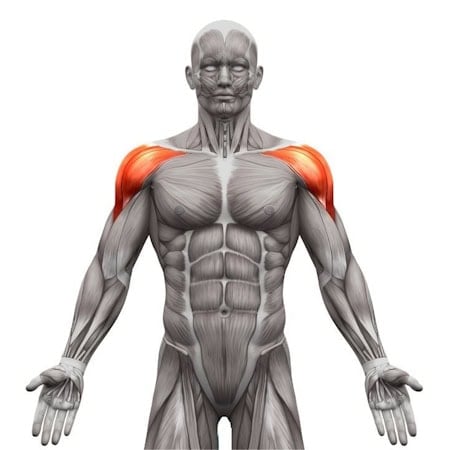
Anterior delt
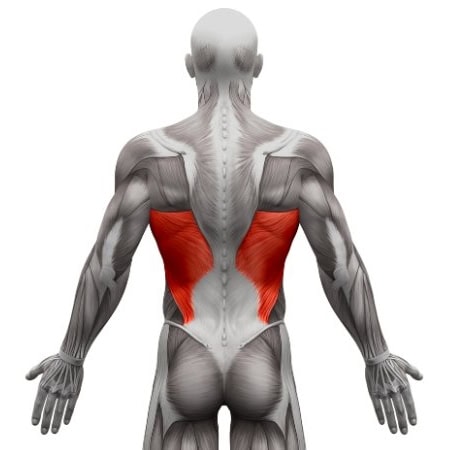
Lats
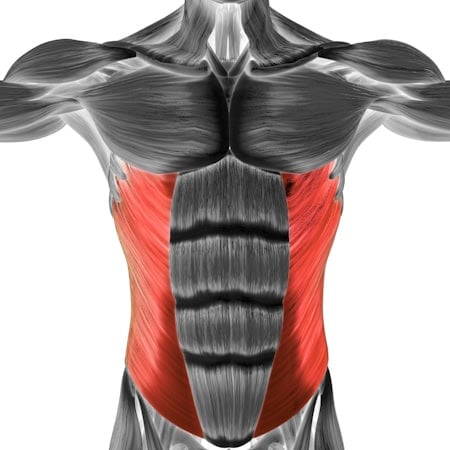
Oblique
Secondary Muscle(s):
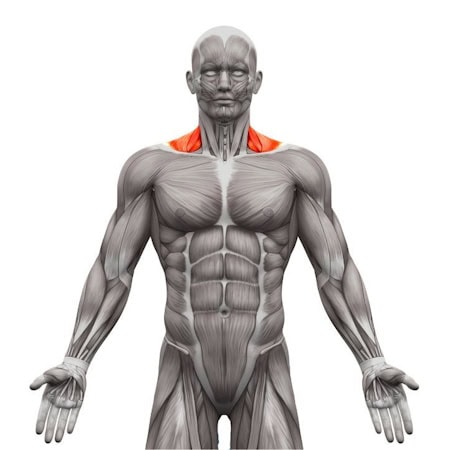
Trapezius
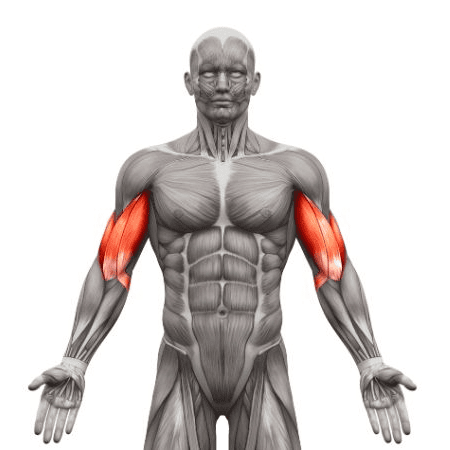
Biceps
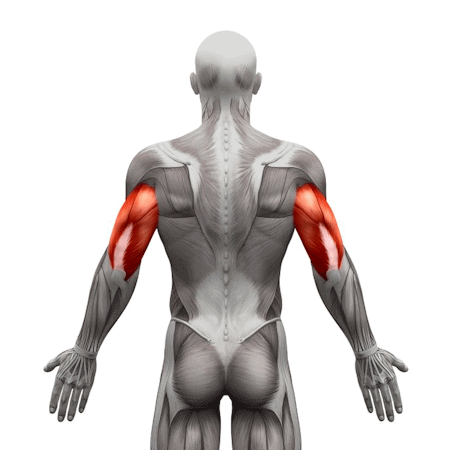
Triceps
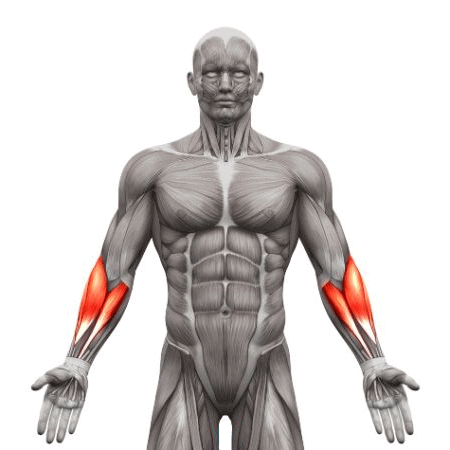
Forearm
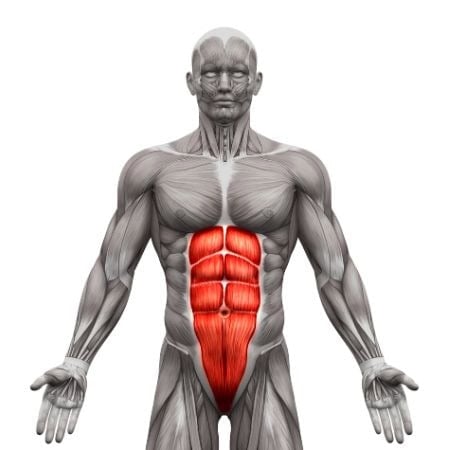
Abdominal
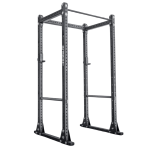
Equipment needed for Human Flag Pull-Up
Adjust the difficulty of Human Flag Pull-Up
How to make Human Flag Pull-Up harder?
How to make Human Flag Pull-Up easier?
How to make Human Flag Pull-Up harder?
To make Human Flag Pull-Up harder:
-
Pause for two to three seconds in the fully controlled bent-arm position.
-
Return to the straight-arm flag over four to five seconds.
-
Use a slow and even tempo during both the inward and outward phases.
-
Build from isolated singles to several consecutive full-range repetitions.
-
Add a complete dead stop in the straight-arm flag between repetitions.
-
Reduce the vertical distance between the hands gradually while preserving comfortable wrist and shoulder positions.
-
Enter with a controlled Human Flag Raise or strict press before performing the pull-up.
-
Add very light ankle weights only after multiple full-range repetitions are consistently repeatable.
How to make Human Flag Pull-Up easier?
To make Human Flag Pull-Up easier:
-
Build a repeatable full Human Flag hold before adding any elbow movement.
-
Perform Straddle Human Flag Pull-Ups to reduce the effective lower-body lever.
-
Perform One-Leg Human Flag Pull-Ups with one knee tucked toward the torso.
-
Perform Tuck Human Flag Pull-Ups with both knees drawn toward the chest.
-
Use a resistance band to support the hips or legs while practising the complete arm movement.
-
Ask a coach or training partner to provide light assistance at the hips or legs.
-
Practise small-range repetitions from the straight-arm position and increase the elbow bend gradually.
-
Use assistance to reach the bent-arm position and control only the return to straight arms.
-
Hold a band-assisted midpoint with partially bent elbows before attempting continuous repetitions.