
Inverted Row With Elevated Feet
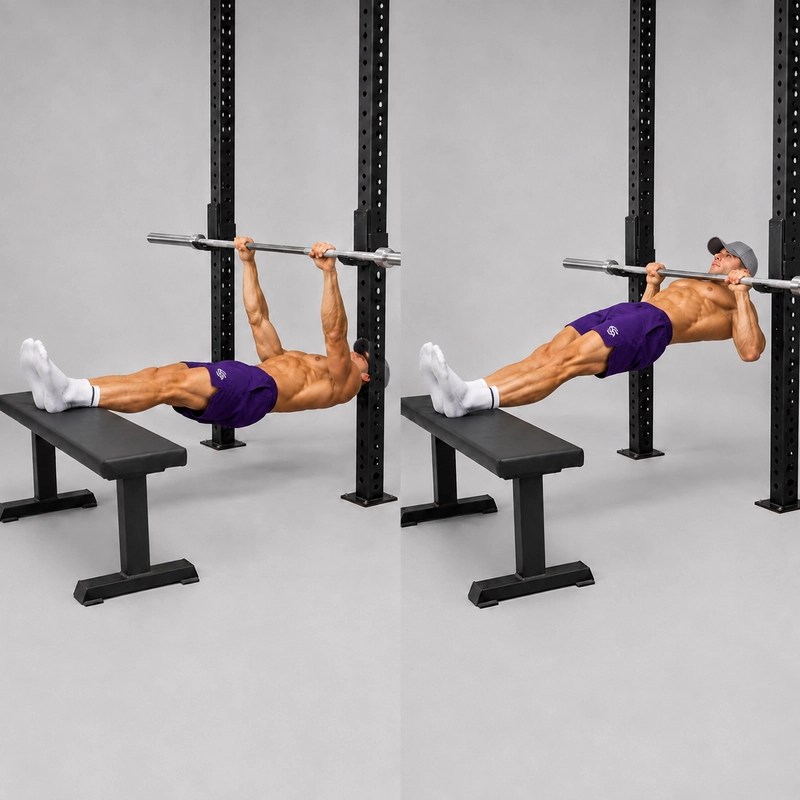
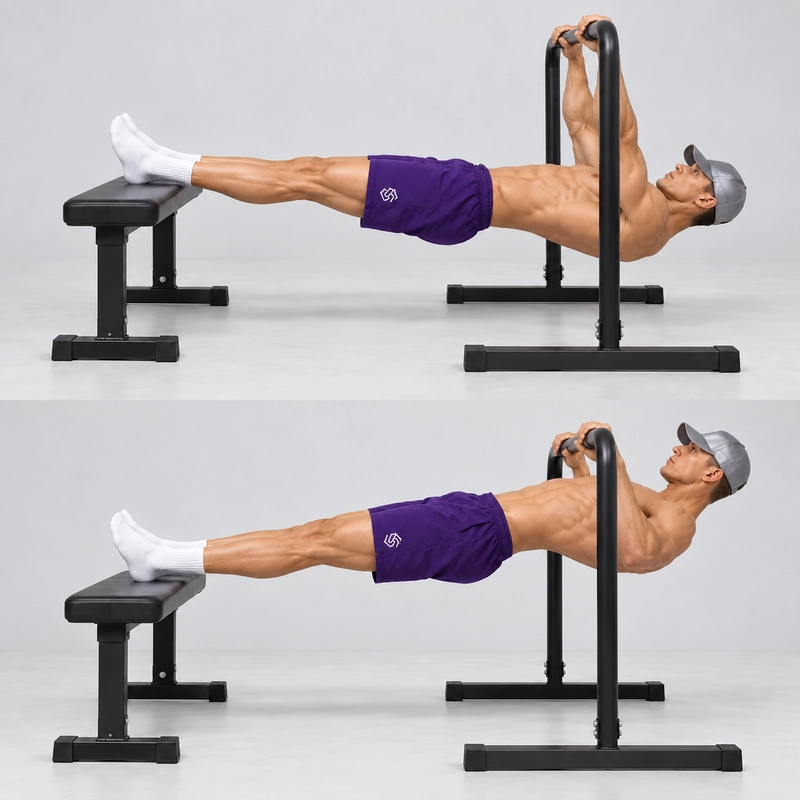
How to do Inverted Row With Elevated Feet?
The inverted row with elevated feet is a harder variation of the standard inverted row, also known as the Australian pull-up. Instead of keeping your heels on the floor, you place them on a stable box or bench while pulling your lower chest toward a fixed horizontal bar.
Elevating the feet brings the body closer to horizontal—or slightly declined when the heels are higher than the shoulders. This changes the body angle and reduces how much weight the feet support, increasing the demand on the upper back and arms while the trunk, hips and legs maintain a rigid body line.
This page defines the fixed-bar version of the exercise. The feet-elevated ring row follows a similar horizontal pulling pattern, but the rings move independently and allow the hands to rotate. The fixed bar provides a stable contact point and makes lower-chest contact easier to standardize across repetitions.
You should first be able to perform controlled straight-leg inverted rows with full elbow extension and consistent chest contact. The elevated variation can strengthen the horizontal pulling pattern alongside vertical exercises such as the strict pull-up, but it does not replace vertical pulling practice.
Use a securely fixed low bar and a broad, non-slip plyo box or bench. The apparatus must support your weight without rolling, lifting or sliding. Adjust the setup so you can fully straighten your arms at the bottom and touch your lower chest to the bar without the back or hips contacting the floor.
Tips for the proper execution of Inverted Row With Elevated Feet
Keep the heels close together and fixed in the same position on the box throughout the set.
Brace the abdomen and squeeze the glutes before initiating every repetition.
Maintain one continuous line through the shoulders, hips, knees and heels.
Pull the lower chest or sternum toward the bar rather than reaching forward with the chin.
Keep the elbows approximately 30–45 degrees from the torso instead of flaring them directly outward.
Finish every repetition with controlled lower-chest contact against the bar.
Pause briefly at the top and squeeze the shoulder blades together without thrusting the hips upward.
Lower until both elbows are completely straight before beginning the next repetition.
Keep the wrists straight and aligned with the forearms throughout the row.
Use a side-view recording to check for sagging hips, bent knees or incomplete chest contact.
Muscles worked when doing Inverted Row With Elevated Feet
The feet-elevated inverted row is a compound horizontal pulling exercise. The upper-back and arm muscles pull the chest toward the bar, while the abdomen, spinal stabilizers, glutes and legs maintain the rigid declined body position.
Primary Muscles
- Latissimus dorsi: The lats help draw the upper arms behind the torso as the chest approaches the bar.
- Rhomboids: The rhomboids retract the shoulder blades during the pulling phase and contribute to the controlled top position.
- Middle and lower trapezius: These portions of the trapezius help control the shoulder blades and support the upper-back position.
- Rear deltoids: The rear deltoids assist shoulder extension as the elbows move behind the torso.
- Biceps brachii and brachialis: These muscles flex the elbows and assist the upper-back muscles during the row.
Secondary and Stabilizing Muscles
- Forearms and grip muscles: Maintain a secure overhand grip on the fixed bar.
- Abdominals and obliques: Brace the trunk and prevent the hips from sagging or the body from rotating.
- Spinal stabilizers: Help maintain the straight torso position throughout the repetition.
- Glutes: Hold the hips in extension and prevent the middle of the body from dropping.
- Hamstrings and quadriceps: Keep the legs rigid and the knees fully extended.
How Foot Elevation Changes the Exercise
During a standard inverted row, the heels remain on the floor and support part of the athlete's weight. Placing the heels on a box makes the body more horizontal or slightly declined, reducing the assistance provided by the lower body and increasing the demand on the pulling muscles. A small comparative laboratory study of three rowing exercises found that the inverted row produced high activation of the latissimus dorsi, upper-back and hip-extensor muscles. The study examined the standard inverted row rather than this specific elevated-feet variation, but it supports the exercise's classification as a compound horizontal pull. See the study abstract on PubMed.
Primary Muscle(s):
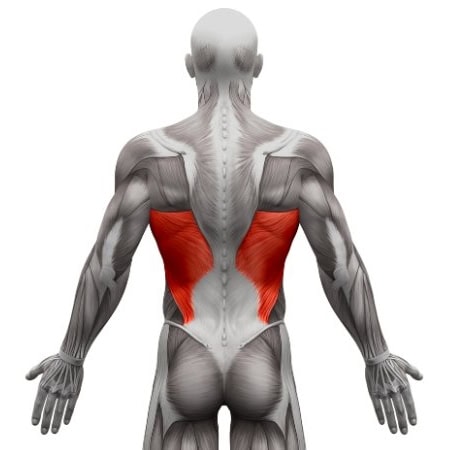
Lats
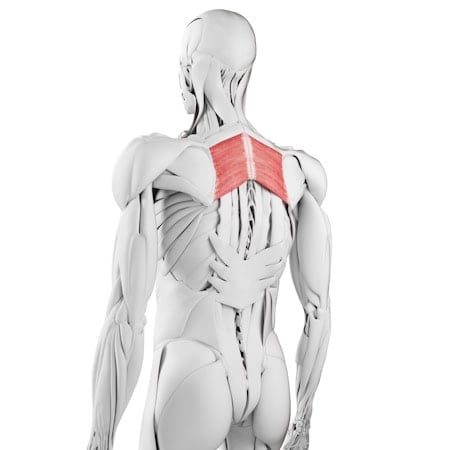
Rhomboid
Secondary Muscle(s):
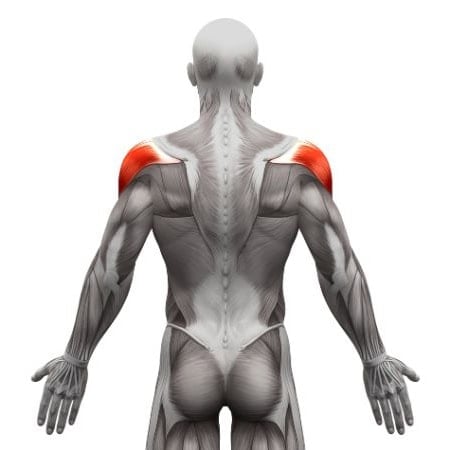
Rear delt
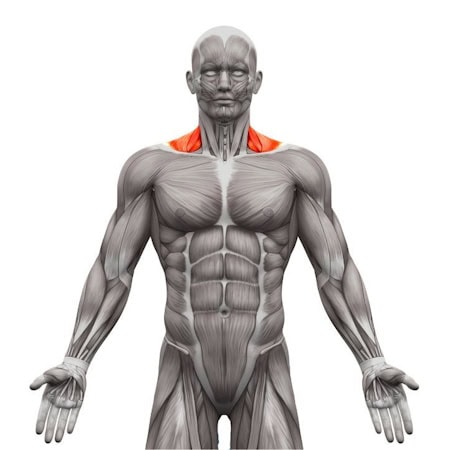
Trapezius
Equipment needed for Inverted Row With Elevated Feet
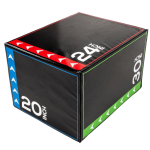
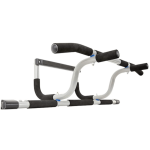
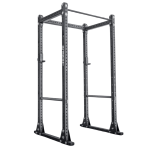
Adjust the difficulty of Inverted Row With Elevated Feet
The inverted row with elevated feet can be scaled through the height of the foot support, the position of the bar, tempo, pauses and external resistance. Make only one change at a time while preserving straight legs, full elbow extension and lower-chest contact.
How to make Inverted Row With Elevated Feet harder?
How to make Inverted Row With Elevated Feet easier?
How to make Inverted Row With Elevated Feet harder?
To make Inverted Row With Elevated Feet harder:
-
Raise the feet higher than the shoulders while continuing to maintain a straight body line and full chest contact.
-
Pause with the lower chest against the bar for two to three seconds on every repetition.
-
Take four to six seconds to lower from the bar to full elbow extension.
-
Perform one-and-a-half repetitions by lowering halfway after chest contact, pulling back to the bar and then completing the full descent.
-
Wear a weighted vest while maintaining the same body position and full range of motion.
-
Perform an archer inverted row by pulling primarily toward one hand while gradually straightening the opposite arm.
-
Progress toward an assisted one-arm inverted row while keeping the hips square and preventing torso rotation.
How to make Inverted Row With Elevated Feet easier?
To make Inverted Row With Elevated Feet easier:
-
Use a lower box or bench so the heels are closer to floor level and the body is less declined.
-
Return the heels to the floor and perform the standard straight-leg inverted row.
-
Raise the bar relative to the feet to create a more upright and manageable body angle.
-
Walk the heels slightly closer to the bar while keeping the legs straight to shorten the effective lever.
-
Bend the knees and place the feet flat on the box or floor to reduce the lever length.
-
Perform slow eccentric repetitions by lowering under control after reaching the top with assistance.
-
Use a smaller range of motion temporarily, then increase the pull until consistent chest contact becomes possible.